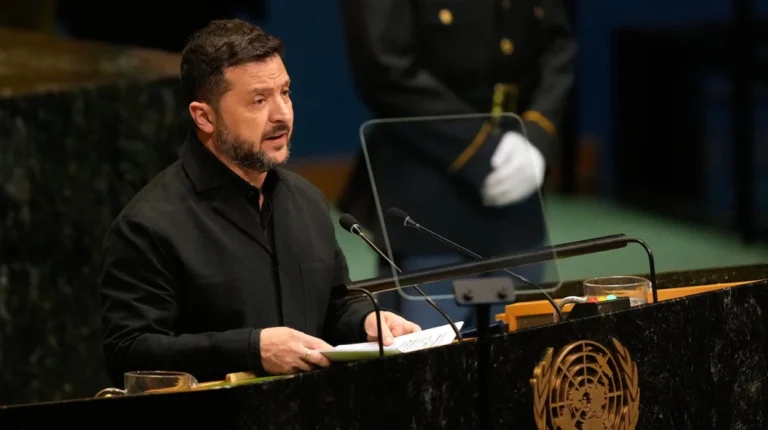
Trump, China and the New Diplomatic Track for Ukraine
Ukrainian President Volodymyr Zelenskyy has asked President Donald Trump to bring China more directly into efforts to end Russia’s war in Ukraine, placing Beijing at

Ukrainian President Volodymyr Zelenskyy has asked President Donald Trump to bring China more directly into efforts to end Russia’s war in Ukraine, placing Beijing at
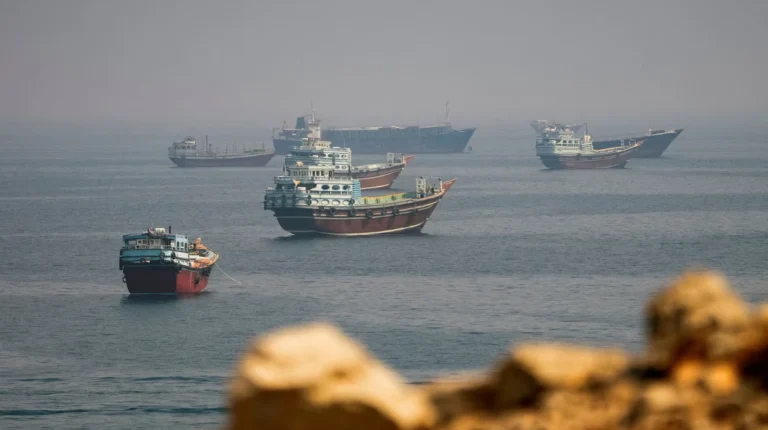
Iran’s increasingly firm position on the Strait of Hormuz is turning the waterway into the central bargaining point in the latest attempt to end the
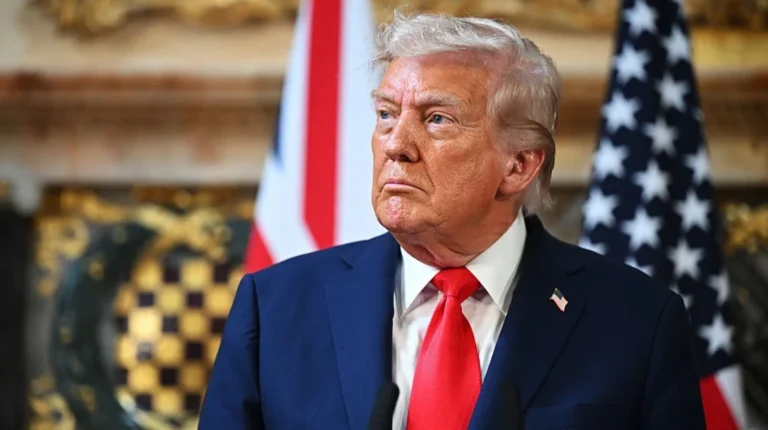
President Donald Trump entered the latest diplomatic week seeking to demonstrate American influence across several of the world’s most consequential disputes. His address to the
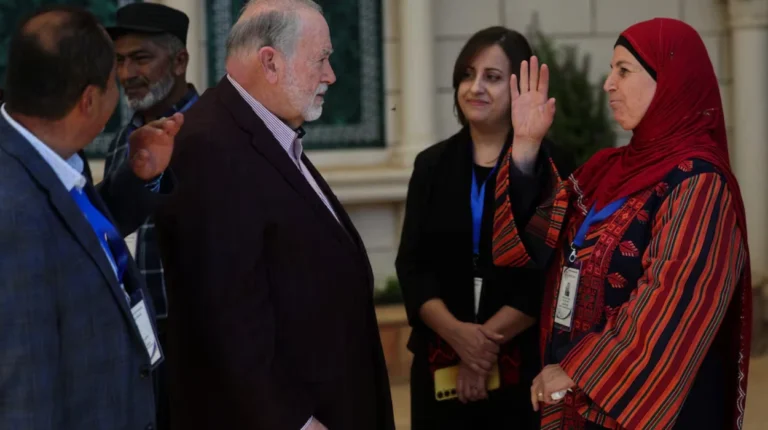
The visit by U.S. Ambassador Mike Huckabee to Turmus Ayya on 5 September 2026 is both a diplomatic signal and a recognition of a deteriorating

Argentina has reignited one of the South Atlantic’s most combustible diplomatic rows by threatening fresh economic sanctions on oil firms developing resources near the Falkland

Nepal’s government has estimated that last month’s catastrophic Himalayan flash floods caused at least $2.56 billion in direct damage to homes, property and infrastructure, a
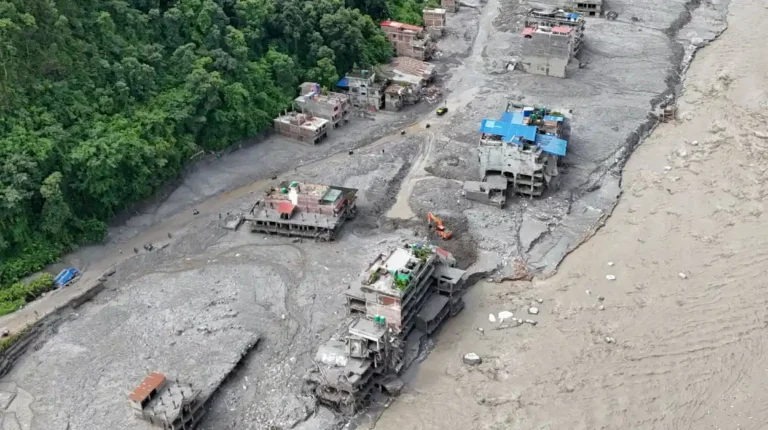
The Trump administration’s decision to end funding for a U.S.-backed natural-hazards monitoring programme in Nepal has come under renewed scrutiny after catastrophic Himalayan floods killed
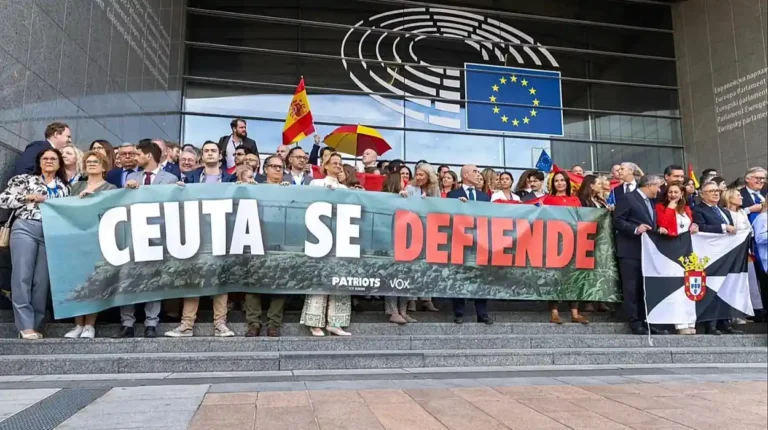
Tens of thousands of demonstrators across Spain have turned the Ceuta border crisis into a nationwide political confrontation, exposing deep fractures over migration policy, security
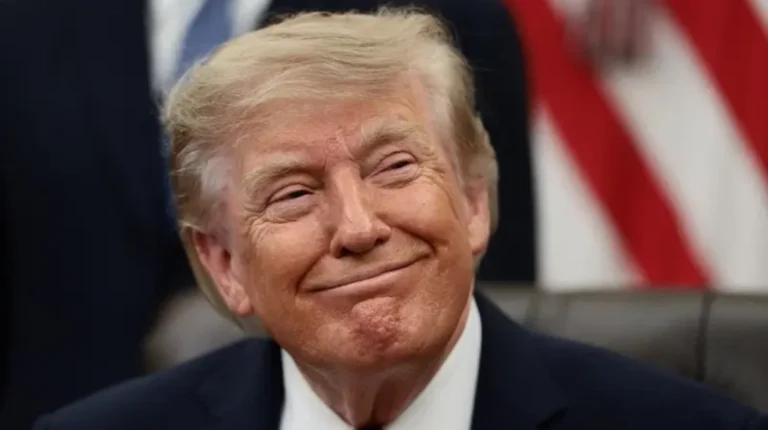
The latest escalation between Washington and Tehran has crossed from kinetic strikes into a sharper political message. After U.S. forces completed a fresh wave of
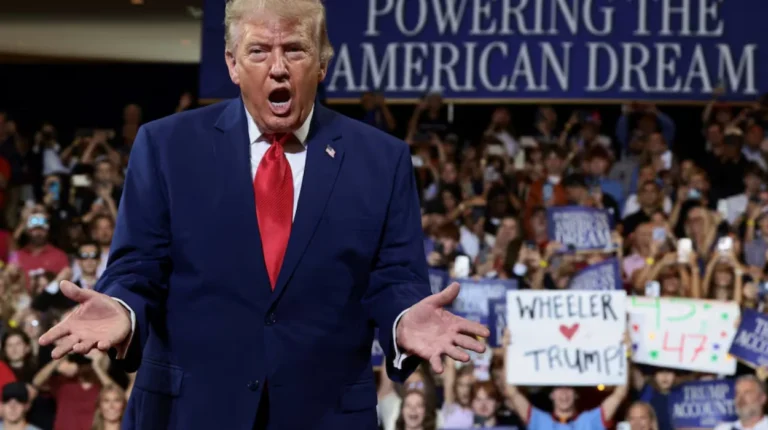
The Trump administration’s decision to direct $4 million toward right-wing media in Europe marks one of the most pointed interventions yet in the transatlantic information
Ukrainian President Volodymyr Zelenskyy has asked President Donald Trump to bring China more directly into efforts to end Russia’s war in Ukraine, placing Beijing at
Iran’s increasingly firm position on the Strait of Hormuz is turning the waterway into the central bargaining point in the latest attempt to end the
President Donald Trump entered the latest diplomatic week seeking to demonstrate American influence across several of the world’s most consequential disputes. His address to the
The visit by U.S. Ambassador Mike Huckabee to Turmus Ayya on 5 September 2026 is both a diplomatic signal and a recognition of a deteriorating
Argentina has reignited one of the South Atlantic’s most combustible diplomatic rows by threatening fresh economic sanctions on oil firms developing resources near the Falkland
Nepal’s government has estimated that last month’s catastrophic Himalayan flash floods caused at least $2.56 billion in direct damage to homes, property and infrastructure, a
The Trump administration’s decision to end funding for a U.S.-backed natural-hazards monitoring programme in Nepal has come under renewed scrutiny after catastrophic Himalayan floods killed
Tens of thousands of demonstrators across Spain have turned the Ceuta border crisis into a nationwide political confrontation, exposing deep fractures over migration policy, security
The latest escalation between Washington and Tehran has crossed from kinetic strikes into a sharper political message. After U.S. forces completed a fresh wave of
The Trump administration’s decision to direct $4 million toward right-wing media in Europe marks one of the most pointed interventions yet in the transatlantic information
