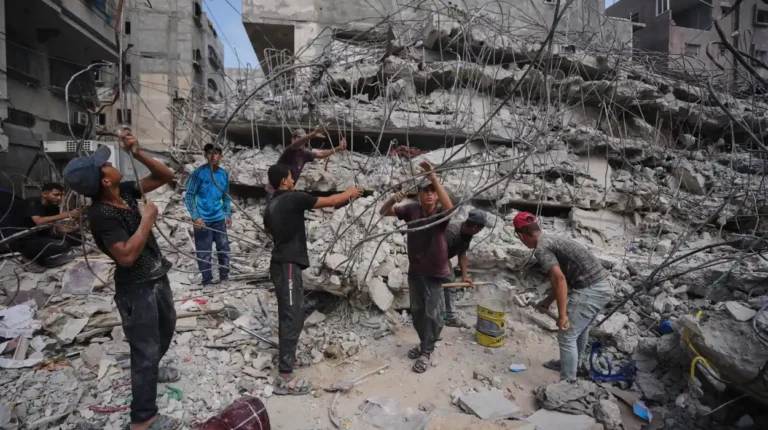
Jared Kushner Gaza Talks: Disarmament Deadlock Meets High-Stakes Diplomacy
In an unusual pattern, which is indicative of the immediacy and vulnerability of the existing ceasefire regime, Jared Kushner, who represents the United States in

In an unusual pattern, which is indicative of the immediacy and vulnerability of the existing ceasefire regime, Jared Kushner, who represents the United States in
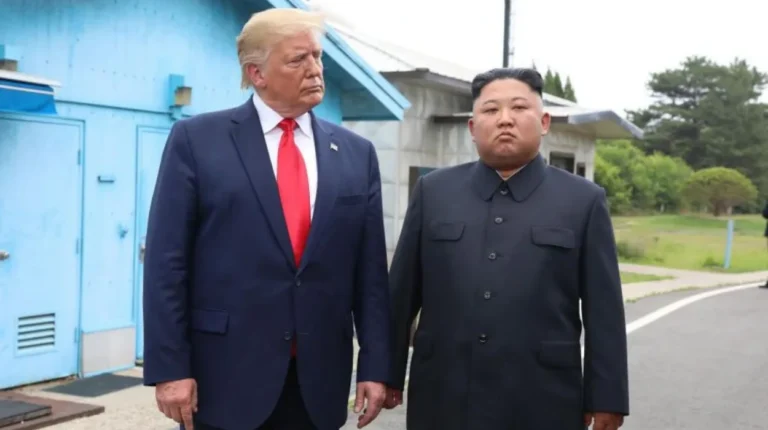
President Donald Trump’s abrupt order to “substantially reduce” the annual Ulchi Freedom Shield (UFS) joint military exercises with South Korea marks one of the most
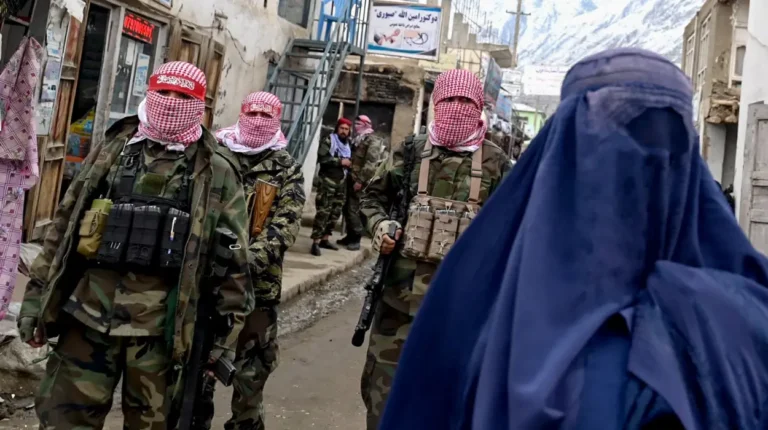
Five years after the Taliban seized Kabul, Afghanistan presents a deeply contradictory picture. Large-scale fighting has declined, and some Afghans have benefited from the end
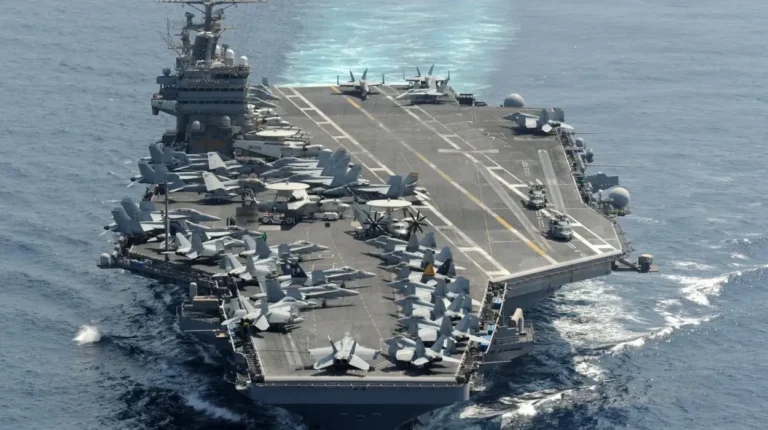
President Donald Trump’s blunt dismissal of concerns surrounding the USS Abraham Lincoln has intensified a growing dispute over the endurance, welfare and operational readiness of
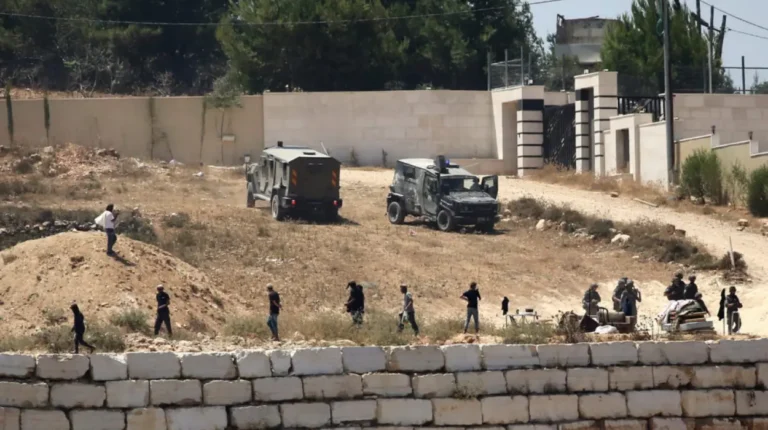
The U.S. ambassador to Israel, Mike Huckabee, has condemned a days-long siege of Palestinian homes in the occupied West Bank as a “horrific act of
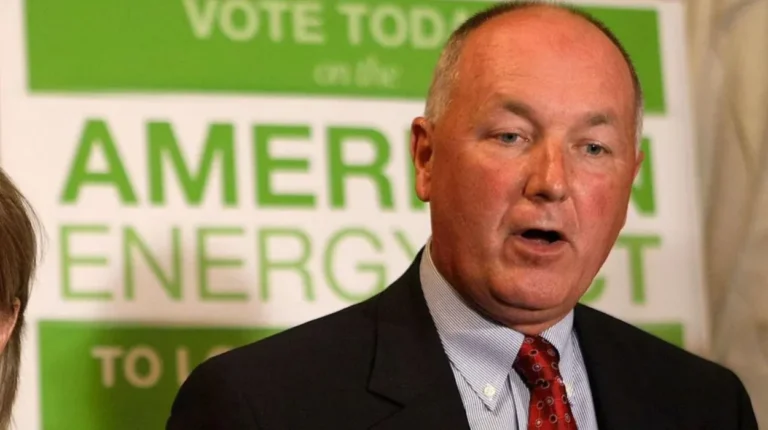
In an unprecedented display of public diplomatic activism, more than 70,000 Canadians have signed a formal House of Commons e-petition calling for the expulsion of
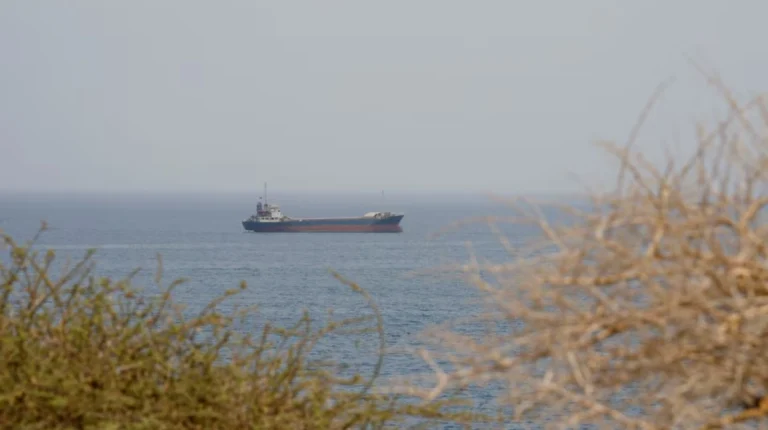
U.S. President Donald Trump has claimed that the United States Navy has achieved “100%” control of the Strait of Hormuz, escalating an already dangerous confrontation
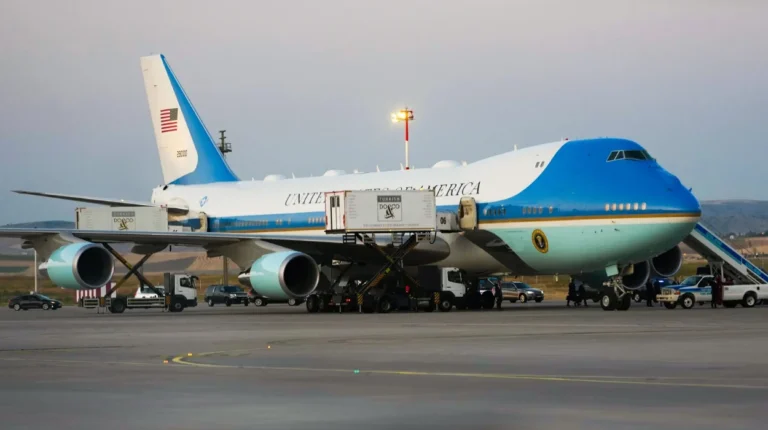
The reported decision to secretly move President Donald Trump from Air Force One to a smaller military aircraft after the NATO summit in Ankara has
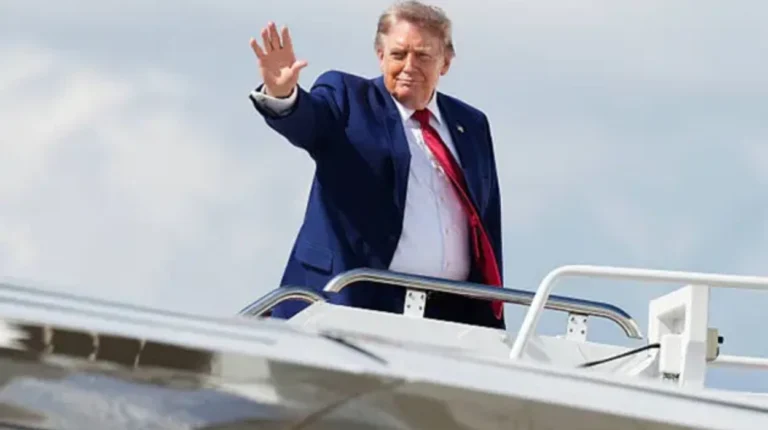
President Donald Trump has signalled a tactical shift in the United States’ Iran strategy, moving the emphasis from immediate military escalation towards sanctions, maritime pressure
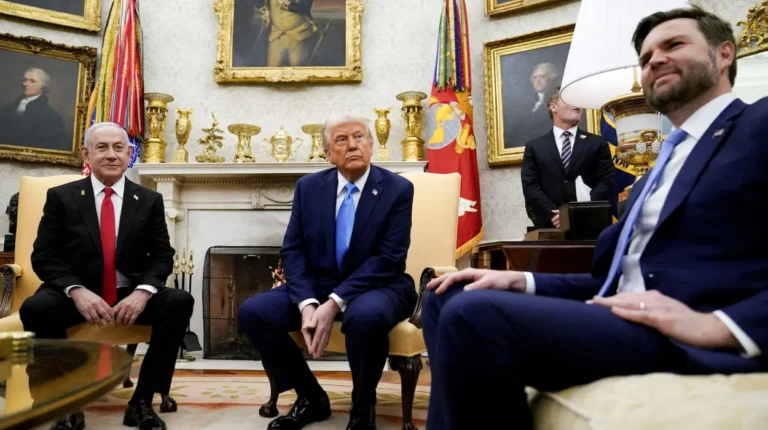
The Israeli government has rejected a 15-point roadmap backed by US President Donald Trump that aims to disarm Hamas, establish a new governing structure in
In an unusual pattern, which is indicative of the immediacy and vulnerability of the existing ceasefire regime, Jared Kushner, who represents the United States in
President Donald Trump’s abrupt order to “substantially reduce” the annual Ulchi Freedom Shield (UFS) joint military exercises with South Korea marks one of the most
Five years after the Taliban seized Kabul, Afghanistan presents a deeply contradictory picture. Large-scale fighting has declined, and some Afghans have benefited from the end
President Donald Trump’s blunt dismissal of concerns surrounding the USS Abraham Lincoln has intensified a growing dispute over the endurance, welfare and operational readiness of
The U.S. ambassador to Israel, Mike Huckabee, has condemned a days-long siege of Palestinian homes in the occupied West Bank as a “horrific act of
In an unprecedented display of public diplomatic activism, more than 70,000 Canadians have signed a formal House of Commons e-petition calling for the expulsion of
U.S. President Donald Trump has claimed that the United States Navy has achieved “100%” control of the Strait of Hormuz, escalating an already dangerous confrontation
The reported decision to secretly move President Donald Trump from Air Force One to a smaller military aircraft after the NATO summit in Ankara has
President Donald Trump has signalled a tactical shift in the United States’ Iran strategy, moving the emphasis from immediate military escalation towards sanctions, maritime pressure
The Israeli government has rejected a 15-point roadmap backed by US President Donald Trump that aims to disarm Hamas, establish a new governing structure in
