In an unprecedented act of defiance that is sure to have repercussions across the global energy market and among diplomats around the world, three Iranian oil tankers managed to navigate beyond the naval blockade set by the United States in the Strait of Hormuz two days before planned discussions between the two countries in an effort to end their current state of confrontation. The oil tankers transported roughly 4.8 million barrels of Iranian crude oil beyond the US Navy’s blockade zone, marking the first time since February that Iran has been exporting its own crude oil.
This blockage breach holds great importance in light of the ongoing decline in the US-Iran relations, which has resulted in direct attacks between the two countries, with the attacks continuing over several days after a ceasefire agreement made almost a month ago on February 28, 2026. In light of US President Donald Trump withdrawing from his threat of a nuclear attack on Iran, made on June 11, and attributing the reason to successful talks held on a previous date, these Iranian tankers hold important testimony to the country’s oil exports despite the presence of US navy forces.
The Tankers: Three Massive Vessels Carry 4.8 Million Barrels Past US Navy
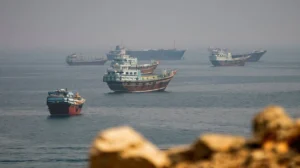
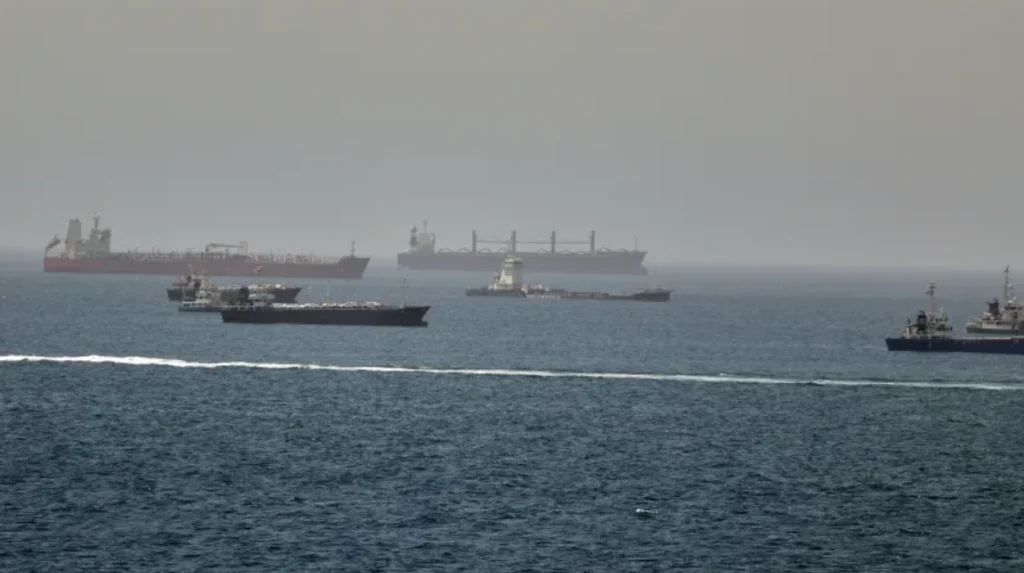
The maritime monitoring service TankerTrackers confirmed on Tuesday that two National Iranian Tanker Company (NITC) VLCC (Very Large Crude Carrier) supertankers named Diona and Hero 2 breached the blockade line while carrying a combined total of 3.8 million barrels of Iranian crude oil between them. The Diona, identified by IMO number 9569695, and Hero 2, identified by IMO number 9362073, each transported approximately 1.9 million barrels of Iranian oil, representing massive shipments that would have been impossible to conceal from international maritime surveillance systems.
In a post on X, TankerTrackers stated
“At least two National Iranian Tanker Company VLCC supertankers named DIONA (9569695) and HERO2 (9362073) have exited the US Navy blockade perimeter carrying a combined total of 3.8 million barrels of Iranian crude oil between them.”
The maritime monitoring service later added that a third NITC-operated tanker, laden with 1 million barrels of Iranian crude, passed through the US Navy blockade line in the Gulf of Oman on Wednesday. According to the tracking service’s post on X, the Sonia I “exited the blockade line” at 01:11 GMT, completing the trio of vessels that successfully defied the American naval presence.
The tracking team used AIS information as well as satellite pictures taken on June 15 to determine that both ships, namely Diona and Hero 2 belonging to the National Iranian Tanker Company, had left the confines of the blockade area, thereby making their information more credible.
Strategic Chokepoint: The Strait of Hormuz and Global Energy Security
The Strait of Hormuz is among the world’s most vital sea chokepoints, linking the Persian Gulf and the Gulf of Oman, and is the only way through which Iran can export its oil along with other countries in the region. Almost 90 percent of Iran’s oil exports use the Strait of Hormuz every year, constituting about 83 percent of total exports from Iran and putting the survival of Iran’s economy entirely on this chokepoint. The oil facilities from where Iran exports its oil are located in the Persian Gulf. Blocking the Strait of Hormuz will surely affect the Iranian economy; however, blocking this chokepoint will definitely disrupt global energy supplies as well.
As the crisis began on February 28, 2026, Iran has exported at least 11.7 million barrels of crude oil across the Strait of Hormuz, all of which have been bound for China, reports TankTrackers.com co-founder. According to shipping intelligence company Kpler, roughly 12 million barrels of crude oil have been shipped via the strait since the beginning of hostilities, showing how Iran continues to maintain its oil export ability across this strategically important strait despite threats and military pressure from the US. It should be noted that the export of millions of barrels of oil by Iran through the Strait of Hormuz amidst other ships being paralyzed is a consideration for both countries.
The Blockade Timeline: From April 2026 to June 2026 Breaches
The existing US naval blockade against ships passing through the Strait of Hormuz took place as early as April 2026, when the first loaded Iranian ships left the Persian Gulf region on April 16, 2026, and were carrying about five million barrels of crude oil. According to the tracking firm Kpler, three Iranian oil ships called Deep Sea, Sonia I, and Diona, all of which have been sanctioned by the US, managed to sail out of the strategically significant strait in the early days of April 2026, leaving the Kharg island of Iran.
As stated earlier on May 6, 2026, two ships owned by Iran which included an oil tanker and a large LPG carrier sailed into the Persian Gulf after sailing through what was termed a naval blockade. Then on May 17, 2026, a third ship from Iran that had been under the United States sanction managed to sail through the US naval blockade and successfully reach the Iranian shores where it docked on the Kharg Island according to some satellite reports published by the media. The most recent development is the discovery that over 34 tankers believed to have links with Iran have sailed past the US blockade, and some of them carry Iranian oil as reported by the Financial Times.
Peace Negotiations: Ceasefire Deal Moves Forward as Tankers Defy Blockade
The U.S. and Iranian authorities confirmed the signing of a framework agreement on June 15, 2026, with many unresolved issues left for further negotiations, and a 60-day cease-fire set in place to facilitate future talks leading to a final peace agreement and discussions about Iran’s nuclear program. Monday has seen world leaders expressing optimism about the recent cease-fire agreement and diplomatic efforts directed at settling the ongoing dispute between the United States and Iran. Pakistani, Qatari, and Iranian officials have confirmed that there is a deal to reopen the Strait of Hormuz and end the ongoing dispute.
The first phase of the accord aims at stopping offensive measures and allowing ships to sail through the Strait of Hormuz, a major waterway for energy supplies that had been effectively blockaded by Iran since the start of hostilities. The fact that Iranian oil tankers had already left the American blockade zone ahead of the final peace accord raises interesting issues regarding whether the US blockade itself was being lifted in advance of signing any agreement, whether Iran was testing the resolve of the American Navy, or whether energy supplies were going to resume flowing as the US and Iran prepared to sign their pact. President Donald Trump of the United States announced that there is now a ceasefire accord with Iran, with the US President announcing he will not bomb Iran anymore as of June 11.
The Strait of Hormuz and Global Power Dynamics
Strait of Hormuz continues to be one of the most critical chokepoints globally, where more than 20 percent of world oil supplies transit, connecting the Persian Gulf with the Gulf of Oman and the Indian Ocean. Success of the Iranian ships in overcoming the US embargo might have further implications not only for other trade corridors but also for other blockades and could indicate shifting power balance within the region, thus influencing approaches of other countries toward maritime confrontations and enforcement problems. Given the strategic significance of the Strait of Hormuz, it should be noted that its blockage can influence global energy security, which makes Iran’s ability to transport oil vital for international power relations.
Like many other Persian Gulf countries, Iran’s economy depends on the Strait of Hormuz for economic well-being, with Iran’s oil export facilities all located in the Persian Gulf and nearly all Iranian oil exports passing through this critical passage each year. The fact that Iran has continued exporting oil through the Strait of Hormuz despite American naval presence demonstrates Tehran’s economic resilience and ability to maintain its export capabilities, which strengthens its position in negotiations and provides continued revenue streams that support its economy despite ongoing conflict and sanctions pressure.