With the emergence of a possible deal between the United States and Iran as a new diplomatic flashpoint in the Middle East region, it looks like the deal would be detrimental to the carefully cultivated national security policy legacy of Israeli Prime Minister Benjamin Netanyahu. As reports indicate that the United States and Iran have moved closer to reaching a deal through negotiations, the Israeli government appears to be highly worried about whether the deal would address all its concerns about Iran’s nuclear, military and proxy war issues in the region.
Netanyahu’s Iran Policy: A Cornerstone of His Political Identity
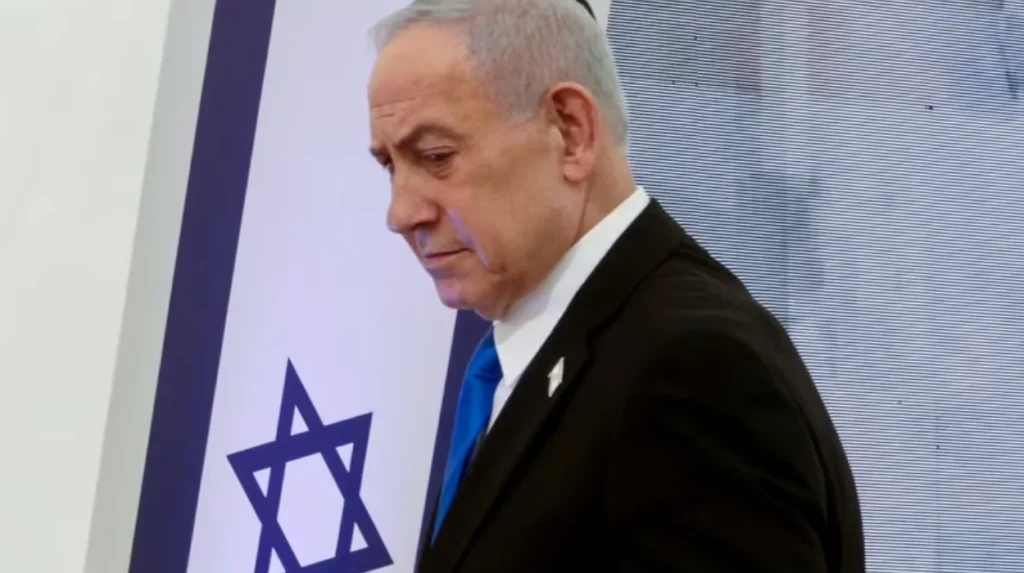
Over the years, Benjamin Netanyahu has carefully cultivated his image as Israel’s best protector from Iran’s pursuit of nuclear weapons and regional dominance. In public statements regarding Iran, Netanyahu has always been very clear and forceful in emphasizing the potential dangers posed by the regime and urging action accordingly. Moreover, he has adamantly refused to consider any compromise deal that would not involve dismantling all of Iran’s capabilities and reducing its regional power.
“Netanyahu has consistently rejected the idea of any partial solution with Iran,”
stated a recent analysis from The Week, highlighting how deeply entrenched his opposition to compromise has become in Israeli security discourse.
Such a strong stance has led to his receiving significant backing from right-wing groups within Israel while also enabling him to preserve a reputation for being a strong and determined leader who is not afraid to face any threat to his nation. Nonetheless, it leaves him in a vulnerable situation if the U.S. continues negotiations without following his terms.
Indeed, the PM’s approach towards Iran has formed the basis of his political agenda at various critical moments when his government faced some level of political insecurity. Through declaring Iran as a threat to Israel, he was always able to galvanize public attention on the need for ensuring the safety of his country from any possible attack.
Concerns Over a Limited Nuclear Framework
The US-Iran agreement is said to be based on curbing Iranian nuclear enrichment capabilities in return for easing sanctions against Iran, but the Israelis are concerned that this agreement will not be sufficient to stop Iran from developing its capability to produce nuclear weapons at some point in the future. The main red lines set by Israel in this regard are setting limits on the percentage of uranium enrichment, establishing strict and extensive inspection processes, and making sure that Iran does not restart its program after a certain time period.
According to the report from Israel Hayom, Israel believes that there is a “historic window of opportunity” available to it to address the threat posed by Iran’s nuclear program. The Israeli prime minister will travel to Washington at a time when a narrow deal on the matter is feared and the window, from the perspective of Israel, should not be utilized to bargain but to put pressure on Tehran. A limited agreement that only seeks to slow down Iran’s nuclear program instead of reversing it would only serve to legitimize the Iranian nuclear arsenal.
The opposition in Israel has already begun to frame the potential deal as a political disaster. Yair Lapid, Israeli opposition leader, called the ceasefire agreement between the U.S. and Iran a “political disaster for Israel,” arguing that it undermines Israel’s security and gives Iran a diplomatic victory. While Lapid’s comments focus on a ceasefire framework, they reflect broader concerns across the Israeli political spectrum that any deal perceived as lenient on Iran will weaken Israel’s strategic position.
Trump’s Diplomatic Push and Netanyahu’s Dilemma
The ongoing efforts at initiating negotiations between the US and Iran are being spearheaded by President Donald Trump. He has been advocating for diplomacy as a means through which the two countries can avoid conflicts and address their differences. The new tactic by Trump represents a change in how past presidents have handled the issue by focusing on negotiation and inducements aimed at keeping Iran in check. The situation presents Netanyahu with a dilemma as he has always advised against negotiations with Iran.
“Prospect of US-Iran talks puts Netanyahu under pressure,”
reported the BBC, noting that while Trump advocates for diplomatic talks to end the offensive, Israel might not yet be ready to walk away.
This dilemma demonstrates how difficult it will be for him to preserve the Israeli relationship with the U.S. at the same time as keeping Israel’s interests safe. On one hand, Netanyahu risks damaging relations with Washington by criticizing the agreement; on the other hand, staying silent can undermine him among his supporters.
From early 2026, Netanyahu clearly demonstrated his skepticism towards the possibility of the deal by emphasizing his view that the United States should apply “maximum pressure” on Iran, News.cn reports. His doubts reflect his long-held conviction that Iran needed to be pressured rather than engaged in negotiations to make it a part of the global community. However, the truth is that Israel will not necessarily have much say in the future of the deal due to the U.S.’s powerful influence over it.
Regional Implications and the Proxy Factor
In addition to the nuclear file, there is concern about the existence of proxies in Iran’s foreign policy, which include Hezbollah in Lebanon, proxies in Syria and Iraq, and the Houthis in Yemen. The Israeli position regarding any deal with Iran is that it should also consider how Iran manages the use of proxies to extend its influence across the region and pose a threat to Israeli national security. If there will be a deal focused only on the nuclear program, then Israel may become more vulnerable to continuous threats to its national security by those proxies.
Moreover, the possibility of a deal between the US and Iran has reopened discussions regarding Israel’s strategic options, one of which is attacking the Iranian nuclear infrastructure through military means. This strategy has been debated for many years in the Israeli security community; however, it is controversial because of the possible consequences, including regional escalation and high casualty figures. Historically, Netanyahu has always kept that strategy ready and as a lever in negotiating with both Iran and the US. Nevertheless, if the US and Iran will reach a deal, the price of using such a strategy will become much higher.
Analysts suggest that Netanyahu may ultimately be forced to accept a deal that falls short of his ideals if Washington insists on moving forward. Despite his fiery speech to the US Congress, the Israeli leader has moderated his views on a nuclear pact, according to the European Council on Foreign Relations. This moderation may reflect a pragmatic recognition that a deal is inevitable and that Israel’s best option is to shape its terms rather than oppose it outright.
Domestic Political Fallout and Legacy at Stake
The potential US-Iran deal puts Netanyahu’s legacy at risk, particularly his reputation as a leader who never wavered on Iran. If the agreement is perceived as weak or as a concession to Tehran, Netanyahu could face intense criticism from both the opposition and coalition partners. His political survival depends on maintaining the image of a strong national-security leader, and a deal that undermines that image could hasten his political decline.
The opposition has already begun to frame the deal as evidence of Netanyahu’s failure to protect Israel’s interests. Yair Lapid criticized the ceasefire agreement between the U.S. and Iran, calling it a political disaster for Israel, signaling that the opposition is ready to use the deal to challenge Netanyahu’s leadership. If public opinion turns against the deal, Netanyahu could face mounting pressure to resign or call for early elections.
At the same time, Netanyahu’s coalition partners may also question his ability to manage the relationship with Washington effectively. A deal that is seen as imposed on Israel could weaken his standing within the coalition and make it harder to maintain a stable government. This internal pressure could further complicate his political position and increase the risk of a leadership challenge.