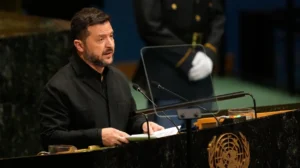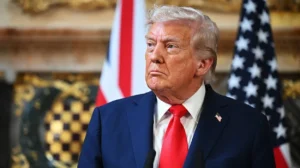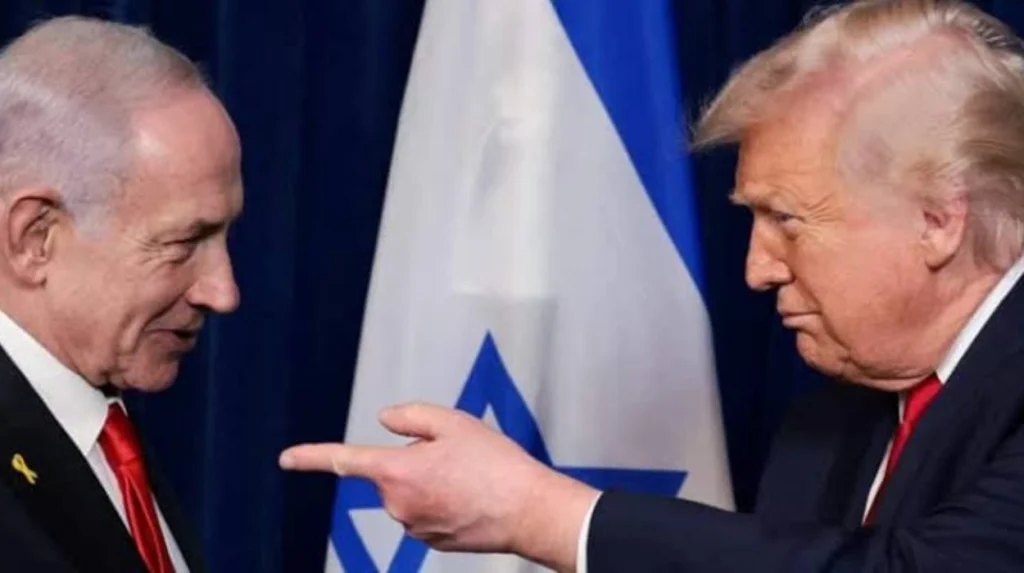
U.S. President Donald Trump is set to host Israeli Prime Minister Benjamin Netanyahu and Ukrainian President Volodymyr Zelenskiy in Washington on Tuesday at a moment when the wars involving Iran and Ukraine are both entering sensitive and potentially decisive phases.
The summits, while independent from each other, have significant geopolitical importance since they involve two leaders who have had completely different approaches to dealing with Trump, while at the same time putting the White House right in the middle of two crises which are changing the face of international politics today. The schedule for the day is indicative of one important fact – Trump is attempting to take the role of both mediator and powerbroker at a time when the risk of escalation is significant.
Washington meetings at a tense moment
These White House meetings follow a war situation in Ukraine and a shaky state of affairs in the war with Iran that has become difficult for both countries following the failure of ceasefire attempts. As reported by Reuters, Trump hosts these two leaders in view of the fact that the wars “are reaching critical stages.” In light of the above, the timing of these meetings means a lot as far as what the American leader might do next goes. For Trump, these meetings provide an opportunity to demonstrate his power as president with regard to the two most dangerous wars in the world; however, it should be borne in mind that Trump will also be demonstrating how limited America’s power can be when there is such a deep division among the parties and uncertainty in outcomes.
The significance of the visits from the point of view of domestic politics cannot be overlooked either. Whereas Netanyahu’s meeting takes place in connection with the Iran war, Zelenskiy wants continued American help as Ukraine battles the Russians.
Trump’s shifting ties with both leaders
Trump’s relationship with Netanyahu has remained close in public posture, but Reuters says there is now visible friction over strategy, particularly around Iran. The report notes that Trump and Netanyahu are still aligned in broad political terms, but their differences are no longer hidden, especially as the White House weighs how far it should go in supporting military options or pushing diplomacy. Netanyahu is expected to press his case for a hard line on Iran, while also discussing the future of regional arrangements such as the Abraham Accords.
Trump’s ties with Zelenskiy have followed a different trajectory. Reuters says the relationship has improved in recent months, after earlier tensions that had made the U.S.-Ukraine channel more difficult. That shift is significant because it reflects both changing battlefield conditions and a growing recognition in Washington that Ukraine remains heavily dependent on American military support, especially in air defense. Zelenskiy’s visit comes with practical goals, not just diplomatic symbolism, and that gives the meeting a more immediate policy edge.
Netanyahu’s agenda in Washington
It is no coincidence, then, that Netanyahu’s visit to Washington is framed around Iran “first and foremost,” based on news reports referenced in the coverage. The Israeli Prime Minister’s aim is clear – he wants to affect Trump’s decisions on a war that he now regards as a crucial element of Israeli security policy. It is also clear that Netanyahu will attempt to discuss the situation in Lebanon and the promotion of the Abraham Accords, a key element of his Middle East strategy for a long time. Clearly, such an agenda reflects the overall strategy of the country – the Iran war is not just a separate crisis, but a possible transformation of the balance of power in the Middle East.
No doubt, Netanyahu and his colleagues consider Trump as one of the only leaders who can change the position of the United States fast enough to be of any value. Nonetheless, the visit occurs amid criticisms from a section of Trump’s political supporters who oppose any greater involvement of America in Middle Eastern conflicts. According to Reuters, such internal criticism forms the background of Netanyahu’s talks.
Zelenskiy’s push for air defense
This Washington visit by Zelenskiy is as much about survival as it is about diplomacy. Ukrainian representatives have already said that air defense is among their main requirements, and Reuters claims that the Patriot missile interceptors are number one on that list. However, this demand is not only related to military equipment but also to the ability to protect the cities, infrastructure, and military installations from further Russian bombardments.
Zelenskiy’s visit to Washington comes amid certain improvements in the field compared to the situation earlier in the year. According to Reuters, Ukraine has stalled Russian advances and increased its attacks on the oil industry of Russia, which means that Zelenskiy can have a better negotiating position than before. Nonetheless, the war is still very expensive, and the US remains one of the only players capable of influencing the tempo of this assistance. That is why Trump’s attitude to Zelenskiy becomes particularly important.
The statements around the meetings
The language used by officials and allies around the meetings reveals how each side is trying to frame the political moment. A White House official said, in substance, that
“now is the time to end the war,”
a line that captures the administration’s effort to present the Zelenskiy meeting as part of a broader peace push rather than a purely military conversation. That framing also suggests Trump wants to be seen as a leader who can force momentum toward settlement, even if the realities on the ground remain unresolved.
Trump himself has signaled both proximity and distance in his approach to Netanyahu. He said he and Netanyahu are “pretty close,” but also acknowledged there is “a little difference” between them on Iran, according to the reporting. That quote is revealing because it suggests a relationship that is friendly in tone but not fully united in strategic vision. For Netanyahu, the challenge is to preserve Trump’s support while pushing for a position that may be more forceful than Trump is prepared to endorse.
What the timing reveals
There are no coincidences here. Indeed, the fact that two of the world’s leaders have been brought into the same city at about the same time adds yet another level of symbolism to the diplomatic mission. Reuters reports that both Netanyahu and Zelenskiy were in Washington D.C. for the funeral of former senator Lindsey Graham, who for many years has been a staunch supporter of more involvement of America in foreign affairs and Ukraine’s rights in particular.
The fact that the visit takes place in such a political context means that it is connected not only with the problems of Israel and Ukraine but also with a number of political signals being sent out at the present time. There is also the practical sense behind this timing of the visit to Trump. Trump needs to deal with two wars that have nothing in common but at the same time become interrelated in terms of the fight for world order, deterrence, and American credibility in foreign policy.
How the conflicts shape the agenda
The Iran conflict has become a strategic test for the Trump-Netanyahu relationship. Netanyahu wants a firm and potentially more aggressive U.S. posture, while Trump appears to be weighing diplomacy after earlier ceasefire efforts faltered. Reuters reports that Trump paused U.S. airstrikes to allow space for diplomacy after a ceasefire collapsed, indicating that the administration is not ready to commit to an escalatory path without first trying to extract political leverage from negotiation.
Ukraine presents a different kind of pressure. Zelenskiy does not need Washington to enter the war directly, but he does need continued military assistance, especially in air defense, to keep Ukraine from losing ground or suffering more devastating attacks on civilians and infrastructure. That makes the meeting more transactional, with aid and battlefield support at the center of the discussion. The contrast between the two leaders is stark: Netanyahu is seeking alignment on a regional war, while Zelenskiy is seeking the tools to sustain an already protracted defense.
The political stakes for Trump
However, the talks will serve the purpose of maintaining and nurturing Trump’s image as a global dealmaker, which he has portrayed throughout his career and which is further highlighted through these negotiations. The fact, however, is more complex than that. While Netanyahu seeks for more support, Zelenskiy expects continued help from the President. This creates pressure for Trump, which he must take into account while handling the affairs. This is also reflected in the language used in describing these two relationships.
The President’s relations with Zelenskiy have grown better over time; however, that happened mostly because of the pressing need of Ukraine in battlefields and its political significance. Whereas Trump’s ties with Netanyahu are still very good; yet, there is a policy difference, especially concerning Iran. In both scenarios, the President has leverage; but, neither of the leaders is coming with a problem easy to resolve.
More important than the statement that Trump will make supporting each of them is the question about concrete policy changes. The main point for Netanyahu will be whether Trump will adopt Israel’s position on Iran or continue to push towards diplomatic relations. The important point for Zelenskiy will be whether Trump will approve or speed up air-defence assistance and whether he will be tougher in his statements about Russia. The second important question is how these meetings will influence the overall diplomatic situation.
If Trump will signal that he supports Israel more, then this will influence the Middle East. If he will signal that he will give direct support to Ukraine, this will influence Europeans and Russians. In both cases the symbolics of the meeting is just as important as concrete changes in the policy of the US.
Trump’s meetings with Netanyahu and Zelenskiy show a president trying to project control over wars that are far beyond his direct command. The talks are important not because they guarantee breakthroughs, but because they reveal where the real pressure points now lie: Iran for Netanyahu, air defense and battlefield endurance for Zelenskiy, and diplomacy versus escalation for Trump. That is why Tuesday’s White House meetings matter well beyond Washington.