The reported pause in U.S. airstrikes against Iran marks a significant but highly fragile shift in a conflict that has repeatedly swung between military escalation and narrow diplomatic openings. After nearly two weeks of bombing, Washington appears to have stepped back for now, while Tehran and American officials continue indirect and technical talks aimed at preventing the crisis from spilling into a wider regional war. The development does not amount to a settlement; instead, it suggests both sides are testing whether a limited de-escalation can buy time for negotiations.
Immediate implications for the pause come not from issues that have been sorted out but rather those which have been averted. For almost two weeks now, the exchanges of attacks have put the Middle East on tenterhooks and caused insecurity in shipping and energy routes in the region. It seems that there is a window of opportunity opened up for diplomacy by this reported cessation of the strikes, but the problem at hand has not been solved yet.
A Temporary Pause, Not a Breakthrough
The most obvious interpretation of the events is that both parties are attempting to take steps away from the precipice without putting an end to their confrontation. Based on the available information, the United States has stopped the airstrikes carried out during almost two weeks of strikes. This decision was made in the wake of new diplomatic efforts including technical negotiations and mediation in the region. It should be noted that this calm can only be considered tactical, but not strategic. It matters because the wording used by the parties points to a certain strategy of preserving their options.
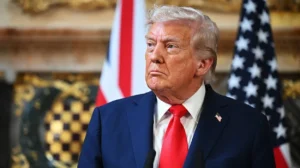
The American president, Donald Trump, has not stopped putting pressure on Iran, and his speeches show that military actions will stay the part of Washington’s negotiation tactics. On the other hand, the United States does not close the door completely on diplomacy. For its part, Iran is negotiating and stressing that some progress can be made in this process.
The tension between these two tracks is what makes the situation so unstable. A pause in bombing can reduce immediate danger, but it also raises expectations that negotiations must now deliver something concrete. If they do not, the window may close quickly.
Strait of Hormuz Raises the Stakes
The strategic backdrop to all of this is the Strait of Hormuz, one of the world’s most important energy chokepoints. The report says the strait normally carries around one-fifth of global oil supply, which explains why even limited military activity in the area has outsized consequences for the world economy. Any disruption there can quickly affect shipping costs, insurance rates and oil prices.
This is precisely the reason why maritime diplomacy holds so much significance in this case. Not only are the reports of the talks reflective of an agreement between the parties to show some restraint, but they also signify an effort to allow the ships to transit through the strait without fear of any attack or intimidation. Practically speaking, this makes the crisis not only a military crisis, but also a commercial and energy-security crisis. This also highlights why the fact that the airstrikes have been suspended temporarily is seen as a very important step in the international diplomatic and economic scenario. This is due to the fact that Strait of Hormuz has always been used as a leverage tool in the bigger conflict between the United States and Iran.
What the Officials Are Saying
One of the most revealing parts of the story is how both sides are framing their positions. On the U.S. side, Trump is balancing deterrence with diplomacy. He has signaled that the U.S. can continue its current approach or pursue negotiations, and he has not ruled out renewed strikes. His language is meant to keep Iran under pressure while also preserving the option of a political deal.
Trump’s quoted remarks capture that dual strategy clearly.
“You can just keep doing exactly what we’re doing and take them apart piece by piece,”
Trump said, presenting continued pressure as one path. He then added,
“Or we can negotiate with them, which we’re also doing right now,”
underscoring that talks remain active despite the military backdrop.
Moreover, he has also said that Iran is not yet ready to make a deal, even though by saying this, he hints at the possibility that Iran may have begun moving in this direction. This is a classic negotiating strategy wherein one applies public pressure in order to make concessions in the future. It shows that America is not backing down on this issue, but at the same time, keeps an open door towards a possible deal. From the Iranian end, the spokesperson of the Foreign Ministry of Iran, Esmail Baghaei, has stated that negotiations on a technical level are being held and making headway.
Backchannel Diplomacy Gains Space
The most important practical development may be the technical talks reportedly taking place through regional channels. These discussions are especially significant because they suggest that the parties are still using intermediaries, rather than speaking directly in a highly public and politically costly format. That gives both sides room to maneuver.
The report says Iranian and Omani officials held several rounds of technical talks over the weekend, and that these discussions made progress. Oman’s role as a mediator is consistent with its long-standing position as a discreet diplomatic bridge in Gulf crises. Such mediation is often crucial when Washington and Tehran are trying to reduce tensions without making major public concessions.
The emphasis on “technical” talks also matters. That term often means the sides are not yet resolving the most politically sensitive issues, but are instead working through practical measures such as shipping security, deconfliction and possible rules for restraint. Those may seem limited, but in a crisis like this they are often the only realistic first step toward a broader arrangement.
At the same time, these talks should not be overstated. Technical progress does not necessarily translate into political agreement. It simply means the communication channel remains open, which is itself important in a period of elevated risk.
Military Pressure Still Shapes Negotiations
The halt of attacks does not mean that military pressure has fallen to zero. According to the report, prior to the halt, the U.S. had conducted 13 nights of airstrikes in a row, indicating the scale of escalation that took place. This is important because it means that diplomacy now takes place in an entirely different context. Negotiations are now not taking place in an environment without military escalation; they take place after it. It is precisely because of this reason that the situation is so sensitive now. Iran understands that the halt can be stopped at any moment.
The U.S. understands that maintaining pressure on Iran might drive it to become more defensive, but, at the same time, it might prompt the country to retaliate or refuse to negotiate further. There are also some other reasons that relate to maritime issues. Namely, according to the report, there was an incident involving Mozambique-flagged ship in the Gulf of Oman that became disabled because it ignored warnings.
In that sense, the crisis has not disappeared. It has only entered a more controlled phase.
Regional and Global Consequences
The broader consequences of this pause are already visible. Energy markets remain sensitive to any signal from the Gulf, and even a partial easing of hostilities can temporarily relieve pressure on prices. But markets also understand that this calm is conditional. If talks break down, shipping risks and oil volatility could return immediately.
Politically, the pause gives regional actors some breathing room. States close to the conflict have strong incentives to avoid a wider war, and the fact that diplomacy is still active may ease some of their immediate concerns. But they also know that a single miscalculation could undo the progress.
For the United States, this moment also reflects the balance between credibility and restraint. Trump’s administration appears determined not to look weak, but it also seems aware of the costs of prolonged military confrontation. For Iran, engaging in talks while under pressure may help avoid deeper isolation or additional attacks. Neither side appears ready for a final settlement, but both may prefer a temporary arrangement to open conflict.
The following course of action may well rest on the connection between the suspension of the strikes and some tangible results in the negotiations. If the technical discussions result in pragmatic arrangements concerning shipping and military restraint, the ceasefire might endure. If no such arrangements happen, the military action could easily return into the focus of interest. The most realistic scenario in the immediate future would probably be a vulnerable de-escalation and not peace itself. Both the parties are showing that they are ready to negotiate, but neither of them is ready to relinquish their positions. Thus, the following days are going to be characterized by the actual success of the back channel negotiations, not by declarations made for the public. The crucial thing at the moment is that both Iran and the U.S. have backed off far enough to make way for diplomatic negotiations.