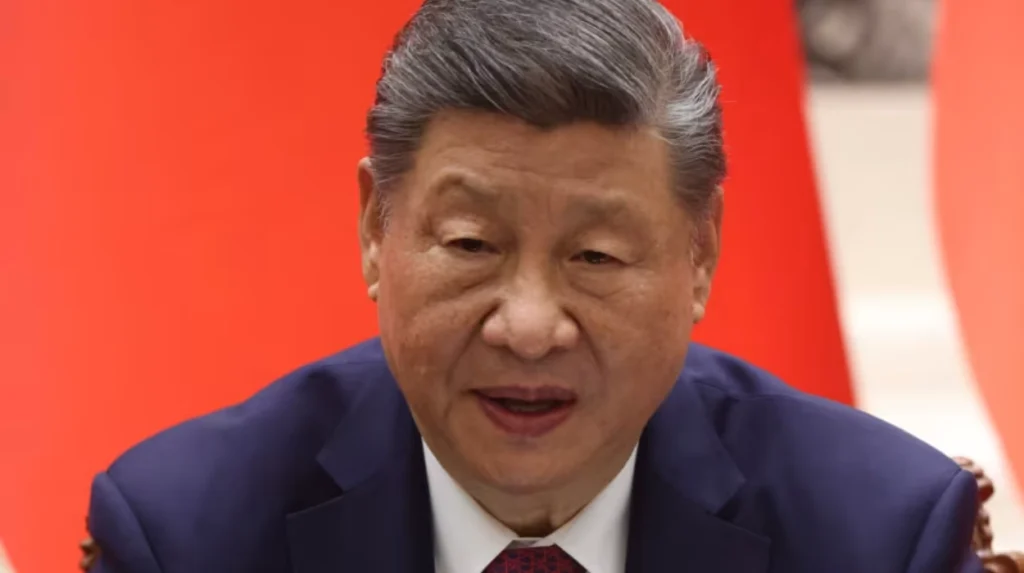
Chinese President Xi Jinping is gearing up for a rare trip to North Korea, with his first official visit to Pyongyang since 2019. State media in both Beijing and Pyongyang made the announcement, highlighting a major push to bolster their relationship and tackle regional security issues. This timing is pretty crucial in East Asian geopolitics because China wants to show it’s a key diplomatic player. With tensions rising between the US, South Korea, and Japan, this visit is aimed at emphasizing China’s influence and asserting its diplomatic power.
The trip isn’t just ceremonial. It marks a strategic shift in China’s foreign policy toward the Korean Peninsula, considering North Korea’s ongoing progress in nuclear and missile tech. For Xi, visiting emphasizes his dedication to keeping influence over Pyongyang while also balancing regional stability.
Diplomatic Context and Strategic Significance
Strengthening China–DPRK Ties
China and North Korea have maintained a complex relationship for decades, characterized by mutual strategic interests but also underlying tensions. Xi’s visit is expected to reaffirm China’s support for North Korea’s sovereignty while urging restraint on nuclear developments.
“China stands for the peaceful resolution of the Korean Peninsula issue and opposes any actions that could escalate tensions,”
a Chinese official stated during a briefing on the upcoming trip.
The visit follows several high-level summits in Beijing too, where Chinese leaders met with U.S. President Donald Trump and Russian President Vladimir Putin. This places China right at the center of global diplomacy. Xi can use this trip to show that Beijing can connect with both friends and foes, strengthening China’s position.
Regional Security Implications
The Korean Peninsula is super volatile, with North Korea making things tense through missile tests and its nuclear weapons. This draws lots of criticism, mainly from the US and South Korea. China’s involvement with North Korea is key to trying to calm things down there.
“Beijing’s message is clear: stability on the peninsula serves China’s interests, and it will not allow the situation to spiral out of control,”
said a senior analyst at a Beijing-based think tank. This stance reflects China’s broader strategy of balancing support for North Korea with its desire to avoid a regional conflict that could disrupt its economic interests.
What to Expect from the Summit
Agenda and Key Topics
While official agendas have not been fully disclosed, sources indicate that the summit will focus on three main areas:
- Economic Cooperation: China is expected to propose new trade initiatives and infrastructure projects aimed at supporting North Korea’s economic development.
- Security Dialogue: Both leaders are likely to discuss the nuclear issue, with China urging Pyongyang to engage in dialogue with the United States and South Korea.
- Cultural and Diplomatic Exchanges: The visit may include cultural events and joint statements aimed at strengthening people-to-people ties.
Likely Outcomes
Experts anticipate that the summit will result in a joint statement reaffirming the traditional friendship between China and North Korea. However, significant breakthroughs on the nuclear issue are unlikely without broader international engagement.
“This visit is more about symbolism and reinforcing strategic alignment than achieving concrete denuclearization goals,”
noted a Seoul-based security expert.
Xi’s Broader Diplomatic Strategy
Asserting China’s Global Role
Xi’s visit to North Korea is part of a broader diplomatic offensive by China to assert its influence on the global stage. In recent months, Beijing has hosted multiple high-profile summits, positioning itself as a mediator in international conflicts.
“China is demonstrating that it can engage with all sides, from the U.S. to Russia to North Korea, without compromising its core interests,”
said a foreign policy analyst.
This strategy fits with Xi’s idea of a “community with a shared future for mankind,” which he often talks about at international meetings. By getting involved with North Korea, China shows it can handle tough geopolitical issues, boosting its image as a responsible global power.
Balancing Relations with the U.S. and Russia
The timing of Xi’s visit is particularly significant given recent engagements with U.S. President Donald Trump and Russian President Vladimir Putin. China is carefully navigating its relationships with both powers, seeking to avoid alignment that could provoke backlash.
“Beijing is walking a tightrope, maintaining ties with Moscow while engaging Washington on key issues,”
observed a Washington-based strategist.
Xi’s trip to North Korea shows Washington that China still has significant clout in East Asia and won’t back down on important issues. It also tells Moscow that China is a dependable ally in the bigger picture of competition among major powers.
North Korea’s Strategic Calculus
Domestic and International Pressures
Kim Jong Un scores a big diplomatic win by hosting Xi Jinping, showing off North Korea’s clout and independence. This visit underlines how sanctions and isolation haven’t crushed him – quite the opposite, really. He gets to demonstrate just how resilient his regime is to the world.
“North Korea sees this visit as a vote of confidence in its leadership and a chance to strengthen its position in regional negotiations,”
said a Pyongyang watcher.
At the same time, Kim deals with pressure from home and abroad. Domestically, he needs to keep control and maintain legitimacy despite economic struggles. Internationally, things are tricky too; he must juggle U.S.-China relations while pushing North Korea’s security goals.
Nuclear Posture and Future Negotiations
North Korea stays a key figure in regional security due to its nuclear program. Although they claim to be a nuclear power, they deal with strict international sanctions and are pretty isolated diplomatically. China might serve as a bridge for talks thanks to its involvement with North Korea, but big challenges are still out there.
“The nuclear issue is unlikely to be resolved in this visit, but it sets the stage for future dialogue,”
said a defense analyst. China’s role as a mediator in any future negotiations will be critical, given its unique position as North Korea’s main ally and economic lifeline.
Regional Reactions and Global Impact
South Korea and Japan’s Concerns
South Korea and Japan are closely watching Xi’s visit, given their security concerns regarding North Korea’s nuclear program. Both countries have expressed hope that China will play a more active role in encouraging Pyongyang to return to negotiations.
“We urge China to use its influence to promote stability and denuclearization on the peninsula,”
said a South Korean official. Japan has echoed similar sentiments, emphasizing the need for a coordinated regional approach.
United States’ Position
The United States has maintained a cautious stance on Xi’s visit, emphasizing the importance of denuclearization and regional stability. Washington has reiterated its commitment to its alliances with South Korea and Japan while seeking to engage China on key security issues.
“We welcome any effort that promotes peace and stability on the Korean Peninsula, as long as it aligns with our shared goals of denuclearization,”
stated a U.S. State Department spokesperson.