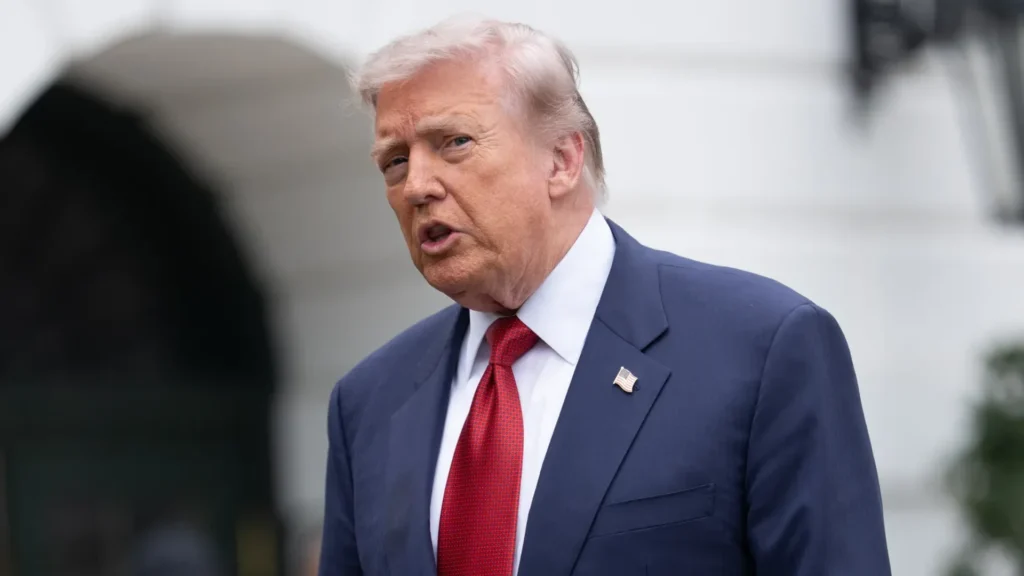
President Donald Trump, reelected in November 2024 and now firmly entrenched in his second term as of May 2026, finds himself at a critical juncture in U.S.-Iran relations. Frustrated aides within the White House have revealed that the commander-in-chief is
“more seriously considering a resumption of major combat operations in Iran”,
a stark escalation from earlier rhetoric.
This news comes less than a month after a fragile ceasefire went into effect in mid-April 2026, but President Trump has announced that it is now “on life support” because he rejected the counteroffer from Tehran. The counteroffer, which was facilitated by Pakistan, did not meet the basic requirements of the United States concerning Iran’s nuclear program.
The background to this confrontation can be traced back to Trump’s hostile behavior after his inauguration. In January 2025, after his ascension to power, Trump quickly changed course in order to address Iran’s efforts in developing its nuclear program and engaging in proxy conflicts. The initial American military action against Iran’s nuclear facilities began in June 2025 and eventually developed into major combat operations called “Epic Fury” in February 2026.
These moves were not only seen by Trump as a way of protecting himself, but he also viewed them as a means through which Iran would gain “freedom.” According to aides, the attacks were conducted using precise Tomahawk missile strikes and continued airstrikes targeting missile launchers, naval assets, and vital installations, without any American casualties being reported—an achievement that Trump made sure to highlight.
Escalation Timeline
As combat intensified through late February 2026, Trump warned of even greater risks if Iran did not capitulate.
“We’re carrying out major combat operations in Iran,”
he stated publicly on February 28, signaling no immediate end to the military pressure.
By early May, with the truce now in effect, the tone had become diplomatic, though still fraught with tension. In response to the strikes, Iran, which was shaken by them, made a proposal through backchannels on or around May 10, 2026. The proposal involved an end to the fighting, specifically the withdrawal of Iranian backing for Hezbollah in Lebanon, in return for the relaxation of the U.S. naval blockades in the Strait of Hormuz.
His reaction was rapid and harsh. On May 11, he called the proposal “totally unacceptable,” since it dodged any significant commitment to the elimination of Iran’s nuclear program. Indeed, while Iran proposed reducing parts of its uranium stockpile, sending other parts of it to a third-party nation, it wanted an enrichment moratorium for much shorter than the 20 years that America wanted.
“The truce is on ‘life support’ after he rejected Iran’s counterproposal to end hostilities, which he said did not address nuclear issues,”
aides confided to reporters, capturing the president’s mounting exasperation. This rejection has left the ceasefire—brokered after Trump’s ominous threat to “destroy Iran’s whole civilization” without a deal—teetering on the brink.
White House Frustrations Mount
Inside the White House, frustration has boiled over into serious deliberations about reigniting full-scale operations. Sources close to the administration paint a picture of a president increasingly isolated in his hawkish stance, with some aides pushing for restraint while others align with his instinct for decisive action.
The faltering talks have exacerbated concerns over Iran’s nuclear breakout potential, especially as intelligence reports highlight Tehran’s threats to regional shipping routes like the Strait of Hormuz. Trump’s May 6 remarks underscored this resolve:
“Combat operations in Iran are not over, US could ‘go in for 2 more weeks’”
to neutralize remaining targets if diplomacy collapses entirely.
This rhetoric echoes the February buildup, when U.S. naval forces amassed in the Middle East, heightening tensions across the Gulf. Oil markets reacted sharply to Trump’s May 11 comments, with prices spiking amid fears of disrupted supplies through the Hormuz chokepoint. Analysts note that the ceasefire’s collapse could cascade into wider instability, drawing in Iranian proxies and straining U.S. alliances. Yet Trump remains defiant, framing the impasse as Iran’s refusal to abandon its “nuclear issues”—a non-negotiable red line for his administration.
Nuclear Standoff at the Core
At the heart of the dispute lies Iran’s nuclear program, a perennial flashpoint revived under Trump’s return to power. The counterproposal’s provisions for pausing enrichment fell woefully short of U.S. expectations, which demand verifiable dismantlement and long-term safeguards. Tehran’s offer to
“gradually reopen the Strait of Hormuz if the U.S. lifts its naval blockade”
was seen as a tactical ploy to buy time, devoid of upfront nuclear concessions. Trump’s rejection aligns with his long-held view that previous deals, like the Obama-era JCPOA, were fatally flawed, emboldening Iran rather than containing it.
Aides emphasize that the president’s patience is wearing thin.
“Frustrated Trump more seriously thinking of restarting combat operations in Iran,”
one anonymous source told CNN, reflecting internal debates over whether to resume strikes preemptively. This comes against a backdrop of stalled perceptions: Iran views U.S. demands as regime-change camouflage, while Washington sees Tehran’s maneuvers as stalling tactics. The May 10 delivery of the counterproposal, covered extensively in outlets like Yahoo News, marked a brief flicker of hope—quickly extinguished by Trump’s verdict.
Strategic Implications
Should Trump greenlight a resumption, the operational tempo could mirror February’s intensity, targeting residual missile capabilities and nuclear-adjacent sites. No U.S. losses in prior phases bolster confidence in such a move, though risks to allies like Israel and Saudi Arabia loom large. Economically, renewed hostilities threaten global energy markets; the Strait of Hormuz, through which 20% of world oil passes, remains a powder keg. Trump’s “1% chance of surviving” analogy for the truce—likening it to a critically ill patient—captures the precariousness, as reported by CNBC on May 11.
Regionally, the deadlock fuels proxy skirmishes, with Iran’s Lebanese allies testing the ceasefire’s limits. Gulf News highlighted “frustration in the White House” leading Trump to weigh “return to combat as Iran talks falter”, a narrative gaining traction amid White House leaks. Internationally, reactions vary: some European allies urge de-escalation, while hawks in Congress back Trump’s leverage-through-strength approach.
Path Forward Uncertain
As of May 12, 2026, the situation remains fluid. Trump’s team continues backchannel communications, but optimism is scarce. The president’s history—eschewing endless wars yet wielding military might decisively—suggests he may opt for targeted resumption if Iran doubles down.
“Some aides of President Donald Trump said he is now more seriously considering a resumption of major combat operations in Iran,”
underscores the gravity, per live updates from ABC7 and others. With the truce’s “life support” status dominating headlines, stakeholders watch warily.
In Washington, debates rage over costs: fiscal strains from prolonged operations, potential troop commitments, and diplomatic fallout. Proponents argue a swift campaign could force concessions, echoing successes against ISIS. Critics warn of quagmire, citing Iraq and Afghanistan precedents. Trump, undeterred, prioritizes nuclear denial, viewing half-measures as existential risks.
Broader Geopolitical Ramifications
Beyond the Gulf, this impasse ripples globally. China and Russia, Iran’s backers, may exploit U.S. entanglement, while India eyes disrupted oil imports. Domestically, Trump’s base cheers the tough stance, but midterm pressures in 2026 could amplify calls for resolution. The February 21 Guardian report on Iran’s preemptive nuclear posturing foreshadowed today’s bind, with Trump then musing about “limited military strikes”.
Ultimately, the onus falls on Tehran. Will it revisit its counterproposal with nuclear meat? Or provoke resumption? Trump’s calculus—balancing frustration with strategic gains—holds the key. As Reuters chronicled the initial combat declaration, history may record May 2026 as the pivot: diplomacy’s last gasp or war’s grim encore.