A tectonic change in the geopolitics of the Middle East is happening as the United States and Iran have signed a framework agreement in order to stop the long-existing war and open the critical Strait of Hormuz. These plans were announced by President Donald Trump of the USA on June 14-15, 2026. It is worth noting that the signing came after several months of tough negotiations and aggressive actions on behalf of the USA and Israel who launched an attack on Iran in March 2026. The official signing ceremony will take place in Switzerland on June 19, 2026.
“The deal includes the reopening of the Strait of Hormuz and the removal of the U.S. naval blockade,”
stated President Donald Trump, emphasizing the core achievements of the negotiations. This declaration follows Trump’s earlier expression on May 23 that an agreement with Iran had been “largely negotiated” and that details would be announced soon, signaling that diplomatic channels had been actively working behind the scenes for weeks.
The Framework Agreement’s Core Provisions
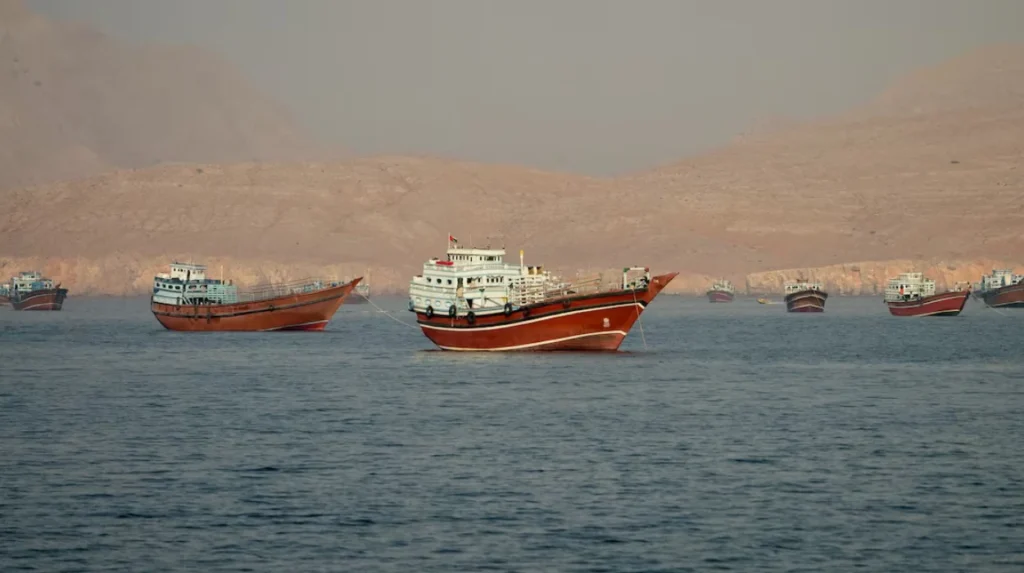
The framework accord outlines an intricate plan for bringing about a definitive end to the conflict between the two states, including clear timelines and tangible pledges from each party. Iran has pledged to facilitate the resumption of merchant marine navigation in the Strait of Hormuz to its pre-conflict capacity within a month after the agreement goes into effect. The crucial strait, through which around 20% of world oil consumption passes and 30% of liquefied natural gas trade occurs, has been partially shut off because of the ongoing conflict.
The Iranian Foreign Ministry Spokesperson, Esmaeil Baghaei, clarified the framework’s fundamental exchange mechanism.
“The framework focuses on ending the war and U.S. naval blockade in exchange for Tehran ensuring safe transit in Hormuz,”
Baghaei explained during an official briefing. This reciprocal arrangement ensures that both nations receive tangible benefits while reducing the risk of future escalation.
Ship traffic in the strait will be handled by Iran in collaboration with Oman, leading to the formation of a two-nationality overseeing system, which is yet another dimension of security. This approach, whereby Iran collaborates with Oman in maintaining regional stability, is indicative of its readiness to involve neighboring countries in maintaining peace, possibly serving as a precedent for the future.
US Commitments and Immediate Actions
The US has promised to take immediate and verifiable steps that will specifically deal with the issues at hand. The lifting of the US blockade on the waters near Iran will be implemented the moment the treaty comes into effect, enabling Iranians ships to conduct their regular activities without any obstruction. This is definitely an indication of a new policy change by the US towards Iran.
American military forces will be withdrawn from the proximity of Iran, thereby minimizing the risk of a military clash while paving the way for diplomacy to prevail. The promise of withdrawing American troops is a clear indication that Washington recognizes that the use of force alone does not hold the key to solving the tensions that have developed between the two countries.
The administration of President Trump is equally committed to lifting the sanctions on Iran progressively, but their full-scale cancellation will largely hinge upon the results of the diplomacy period within 60 days. This strategy makes sure that Iran has motivation for cooperation and simultaneously helps Iran’s economy to breathe by removing the worst economic barriers to it.
The Sixty-Day Diplomatic Phase
This framework outlines the importance of a crucial 60-day diplomacy process aimed at addressing the outstanding disputes between the two countries. During this time, the negotiators will be tasked with sorting out problems involving Iran’s nuclear ambitions, its enrichment capabilities, and the full cancellation of sanctions by the US government. Indeed, these have formed the basis of disputes between Washington and Tehran for more than two decades now.
It is clear that the negotiations regarding the nuclear aspect of the problem will be quite difficult because here a compromise must be struck between the right of Iran to use its peaceful nuclear program and the international worry about weaponization. The proposed arrangement leaves the results of these negotiations open for both parties to suggest their own ways of resolving the issues.
Senior Iranian diplomat Hossein Nooshabadi emphasized the breadth of commitments included in the deal.
“The deal includes ending war on all fronts, releasing blocked assets, lifting blockade, opening Hormuz, withdrawing U.S. forces, and freedom to sell Iranian oil,”
Nooshabadi stated, highlighting how the agreement addresses multiple dimensions of the conflict simultaneously rather than focusing on narrow issues.
Strategic Implications for Global Energy Markets
This re-opening of the Strait of Hormuz holds great significance for the international oil markets that have been struggling to cope with the problems posed due to the war situation. The movement of oil is anticipated to be free again from June 19, 2026, following the completion of demining activities, resulting in an increase of several million barrels of oil daily and bringing down energy costs around the world.
The agreement’s provision allowing Iran freedom to sell Iranian oil represents a major economic opportunity for Tehran, which has struggled under sanctions that severely limited its oil exports. Iran possesses one of the world’s largest oil reserves, and the ability to freely export this resource could generate billions of dollars in revenue, helping to stabilize the Iranian economy and reduce domestic political pressures.
Based on the predictions from financial analysts, the lifting of the naval blockade and return to normal shipping in Hormuz would help stabilize the unstable energy markets caused by the ongoing conflict. With the framework agreement providing more assurance, risk premiums currently being included into the cost of crude oil can be reduced, which may result in lower oil prices for the consumer market.
Regional Security and Political Ramifications
The peace accord goes beyond the bilateral issues between the US and Iran to include regional security issues such as the effect of the ongoing war on countries like Lebanon and other states within the region. With the end of the war, the accord can open the way for diplomacy to help alleviate any regional tensions that may exist.
The use of Oman in helping to control and manage the ships is indicative of efforts to involve neighboring nations in the region’s security processes. This might be an avenue for building more regional alliances to help address common security issues without compromising each country’s sovereignty.
The withdrawal of US forces from Iran’s vicinity reduces the immediate threat of military confrontation, creating space for diplomatic engagement that could address underlying tensions. This deescalation could encourage other regional actors to pursue diplomatic solutions to their conflicts rather than relying on military posturing, potentially reducing the overall level of tension in the Middle East.
Implementation Challenges and Verification Mechanisms
Despite the agreement’s comprehensive nature, significant challenges remain in implementing the framework and ensuring both nations fulfill their commitments. Iran has stated it would take no steps without “tangible verification,” emphasizing the need for concrete proof that the United States will honor its commitments before Tehran proceeds with its obligations. This cautious approach reflects decades of broken promises and mutual distrust that have characterized US-Iran relations.
This framework starts off with measures that would exclude any military vessels from re-opening the strait of Hormuz straightaway, with the focus placed on commercial cargo ships instead. Such restrictions have been included in order to take into account the security considerations of both countries but at the same time give an opportunity for expanding the scope of activities slowly over time.
Firstly, demining actions have to be carried out within the strait of Hormuz, and until this process is successfully accomplished, all other ships have to stay away. Demining is a difficult task that will involve the use of special equipment and personnel that will be responsible for conducting these operations. How long the process takes will depend on the damage done in the course of the conflict.
The June 19 Signing Ceremony in Switzerland
The formal signing ceremony scheduled for June 19 in Switzerland represents a critical milestone in the diplomatic process. Switzerland’s selection as the venue reflects its historical role as a neutral ground for international negotiations and its commitment to facilitating diplomatic dialogue between conflicting parties. The ceremony will likely include high-level representatives from both nations and possibly international observers to ensure transparency and compliance.
The signing marks the end of talks that were characterized as “painfully” negotiated within weeks past, according to sources. This is testament to the level of distrust between the two countries and the challenge involved in negotiating many related problems at once. The successful completion of these negotiations is proof of the success of diplomacy despite many challenges.
Historical Context and Future Prospects
The US-Iran framework deal represents a historic departure from the confrontational approach that has dominated relations between the two nations for over forty years. Since the 1979 Iranian Revolution and the subsequent hostage crisis, the United States and Iran have been engaged in a cycle of hostility that has included multiple rounds of sanctions, military confrontations, and diplomatic failures. This agreement breaks that pattern and establishes a new framework for relationship management based on mutual interests rather than ideological opposition.
The success of this framework depends on the outcome of the 60-day diplomatic phase and the ability of both nations to maintain commitment to the agreement despite potential political pressures. Domestic political considerations in both countries could challenge implementation, as opposition factions may seek to undermine the agreement for political advantage. The international community will need to provide sustained support and monitoring to ensure the agreement’s durability.
This breakthrough demonstrates that even the most entrenched conflicts can be resolved through sustained diplomatic engagement and willingness to find mutually acceptable solutions. The US-Iran framework deal offers hope for similar breakthroughs in other regional conflicts and establishes a precedent for diplomatic resolution of seemingly intractable problems. The coming months will be critical in determining whether this agreement represents a genuine transformation in US-Iran relations or merely a temporary pause in ongoing tensions.