The Middle East region has now entered a new, unstable era, after the U.S.’s attacks on Iranian military targets in retaliation for Tuesday evening’s June 9, 2026, shooting down of a U.S. Army Apache helicopter in the strategically significant Strait of Hormuz by Iran. This has happened in the context of a very delicate ceasefire process during the current 2026 Iran War, shattering the illusion of diplomacy and bringing out the fragility of the ongoing American-Iranian attempts at de-escalation since February 28, 2026.
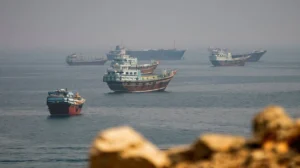
A normal patrol flight of two American army aviators in their Apache aircraft has transformed into an armed conflict between the two countries as both nations have engaged in a series of attacks against each other overnight, causing the international community to fear the fall of the recently signed peace treaty. The crash occurred off the coast of Oman where oil traffic amounts to about 20 percent of the world’s oil trade, making the event far more than just a military affair between two countries.
Apache Helicopter Down: The Incident That Sparked Military Response
It all started when an attack helicopter plunged into the Gulf waters near the Strait of Hormuz on Monday night. The exact cause of the crash was not yet known based on the preliminary reports made at the time. It is important to note that two men were on board the Apache when it was reported to have gone down, but the remarkable part came when the two pilots who were on board were successfully saved after two hours by a US Navy unmanned boat referred to as the TF 59 “drone boat”.
The significance of such an event in military rescue operations indicated that the capabilities were very high in the area, but the drama was not over yet. President Trump was briefed by his military leaders who informed him that Iran had fired at the helicopter when it was doing its routine patrol duty through the strait, resulting in demands for a swift action to be taken against Iran. President Trump’s perception of this action as unjustified aggression was backed up by CENTCOM.
The pilot rescue operation itself became a focal point of U.S. communication strategy, with President Trump emphasizing the successful outcome to counter any narrative of American military failure.
“The two helicopter pilots were uninjured,”
Trump stated publicly, later adding that “the pilots are fine” when asked about rescue reports. These statements served dual purposes: reassuring American families about personnel safety while simultaneously building justification for retaliatory action by demonstrating the attack’s severity despite the successful rescue.
CENTCOM Launches Proportional Strikes: Three Waves Target Iranian Defense Systems
The United States forces launched what was termed by CENTCOM as “self-defense strikes” on the territories of Iran by Tuesday at 5:00 PM Eastern Time. There were three separate attacks carried out by the U.S. during the night using Air Force and Navy combat aircraft loaded with guided bombs that targeted the Iranian air defense bases, radar stations, command posts, and missile defense systems in the proximity of the Strait of Hormuz.
CENTCOM’s official statement on X articulated the operation’s rationale with diplomatic precision:
“This operation represents a measured reaction to unwarranted Iranian hostility.”
The command further clarified that
“The mission is a proportional response to unjustified Iranian aggression,”
language carefully chosen to avoid escalation while maintaining firmness. These statements positioned the strikes as defensive necessity rather than offensive aggression, a crucial distinction in international law and diplomatic communications.
Geographically speaking, the scope of attacks by the United States was quite large, as it consisted of various ports and islands along the Strait of Hormuz. Among those attacked were Qeshm Island, Sirik, Jask, and Bandar Abbas, the latter being confirmed by Iranian state media company IRIB. The attacks in Bandar Abbas were conducted more than once, and the target was none other than the main command center for the Islamic Revolutionary Guard Corps Navy. Meanwhile, explosions in the southern Iranian city of Minab happened six times.
Trump Demands Strong Response: President’s Statements Shape Military Strategy
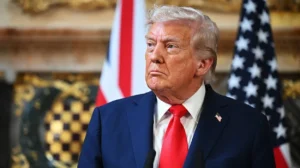
President Trump’s public communications played a central role in shaping both the military response and international perception of the crisis. His statements from the moment of receiving the helicopter downing briefing through the completion of strikes created a coherent narrative that justified American action while maintaining diplomatic control.
“Iran has shot down the helicopter while it was patrolling the strait and the United States must, of necessity, respond to this attack,”
Trump declared, establishing the attack’s reality and the necessity of response.
The president’s emphasis on response strength communicated America’s determination to deter future Iranian aggression.
“I believe the response should be very strong, very powerful,”
Trump stated, setting expectations for both domestic audiences and international observers about U.S. resolve.
These were not just empty rhetoric but were a part of the strategic considerations of the administration in understanding the helicopter crash as a threat to America’s military presence in the region and thus requiring a demonstration of strength.
In this regard, President Trump used his communication approach to strike the balance between the severity of the military response and the assurance about the safety of personnel. In other words, the use of military force did not imply American vulnerability but only proved its effectiveness, especially since there were no casualties from the Americans in the process.
Iran’s Retaliatory Stance: Revolutionary Guard Claims Attacks on U.S. Bases
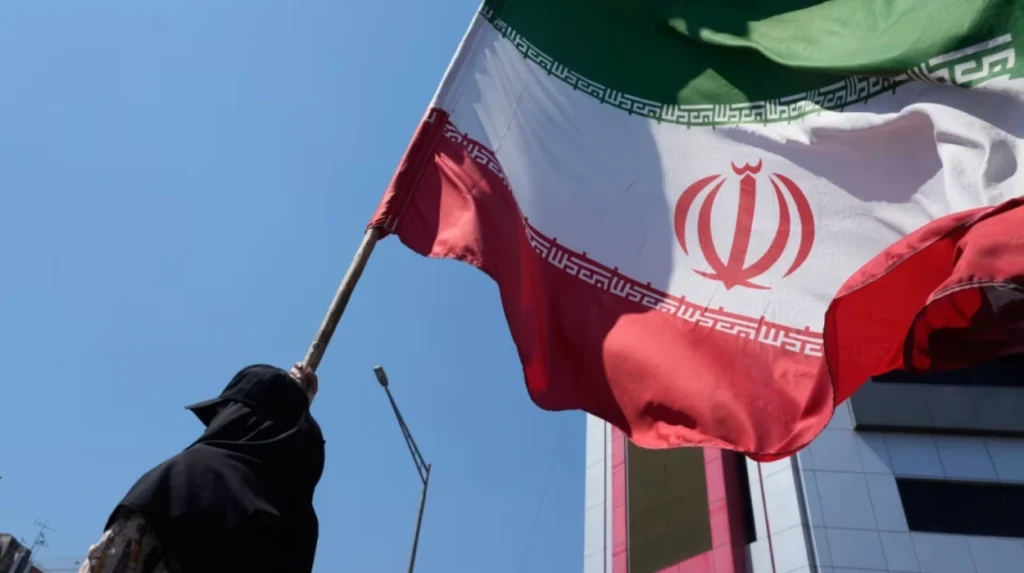
Iran’s response to U.S. strikes unfolded rapidly, with the Islamic Revolutionary Guard Corps (IRGC) formally pledging retaliation and subsequently claiming attacks on multiple U.S. military installations across the Middle East. The IRGC characterized U.S. strikes as “vicious” in official statements, framing American action as violation of the fragile ceasefire rather than legitimate self-defense. This narrative positioning attempted to delegitimize U.S. action while justification for Iranian retaliation.
The IRGC’s claimed retaliatory strikes targeted multiple U.S. locations with strategic significance. The Revolutionary Guard announced drone attacks on the U.S. Fifth Fleet in Bahrain and Ali Al Salem base in Kuwait, while also launching a long-range missile strike on an air base at Azraq, Jordan. These multi-location attacks demonstrated Iran’s capacity for coordinated retaliation across the region, striking at U.S. naval, air, and ground installations simultaneously.
The state media of Iran announced explosions taking place in the south of Iran during the strikes by the United States. Nonetheless, there were no casualties from the U.S. strikes, which was an important factor that ensured the human side of the event remained inconsequential despite the military aspect. Both countries declined to take responsibility for the downing of the helicopters while threatening retaliation.
Fragile Ceasefire Under Threat: 2026 Iran War Context Amplifies Crisis
This helicopter incident and subsequent strikes occurred within the broader context of the 2026 Iran War, which began on February 28, 2026, when the United States and Israel initiated joint military operations against Iranian targets. The conflict, dubbed Operation Epic Fury by U.S. forces, concluded on May 5, 2026, but left a fragile ceasefire in place that has been increasingly tenuous. The Apache helicopter incident represents the first direct military confrontation since the ceasefire’s establishment, shaking diplomatic confidence in de-escalation prospects.
The significance of the Strait of Hormuz strategically cannot be understated when looking into the global consequences of this crisis. About 20% of the oil in the world flows through this strait, hence any military disruptions would threaten global energy security. US Apaches have been flying 24 hours a day combat missions over the strait, fighting off Iranian drones and fast-attack boats while guarding this strait. The downing of the Apache helicopter in such a mission demonstrated the dangers of the environment American troops must guard in order to secure this region.
Previously, on April 13, 2026, the US imposed a blockade that prevented ships leaving the Iranian port, forcing 134 vessels to divert their course and seven vessels to cease functioning. The combination of the blockade and the helicopter attack seems to demonstrate an escalating conflict between US maritime enforcement and Iran’s attempts at resisting American regional domination. However, the fragile nature of the current ceasefire described by different sources as “tenuous” raises fears of its total disintegration.”.
Global Diplomacy in Peril: International Concerns Mount Over Peace Deal Collapse
The international community is deeply concerned about the effects of the helicopter attack on any potential peaceful negotiations between the two countries, namely the United States and Iran. An attack on Iran when there was a ceasefire agreement, coupled with the subsequent attack by Iranians in several countries, makes one question the likelihood of making peace deals between the two nations. This case shows the difficulty of de-escalation when both parties cannot have common interests within that region.
Israel, Jordan, Bahrain, and Kuwait among other countries in that region have all played part in the current crisis, whereby there have been attacks against American military bases in their regions, thus making their position quite difficult. The attack made by Iranians in many countries shows the possibility of spreading the war to other nations and therefore destabilizing the entire Middle East. International markets for oil have responded accordingly.
The U.S. military’s announcement that strikes are “completed” while forces remain
“alert and prepared to fend off any unjustified Iranian actions”
signals a transition from active combat to heightened defensive posture. This positioning suggests American authorities anticipate continued Iranian retaliation while avoiding further escalation through proactive strikes. The balance between deterrence and escalation prevention represents the central challenge facing U.S. policymakers as this crisis evolves.