The tone of Iran’s recent message regarding its negotiations with America has been cautiously optimistic – some progress has taken place, but no breakthroughs are imminent. This is an important point as it means that although there may be movement in the current talks, they are neither complete nor easy, with many issues unresolved. American optimism seems to be countered by Iranian skepticism regarding the success of the talks so far.
That is the reason why Iranian diplomats have said that there are two sides which are both “very close and very far,” which indicates a combination of the proximity of their position in relation to one thing and the great distance from another. Such wording is by no means accidental since it allows for movement but not commitment.
According to recent accounts, however, it appears that some progress may have been made by both parties; a conclusive deal has yet to be struck. This in itself is already a noteworthy development since there have been several attempts to disrupt these negotiations, resulting in a series of tensions as well as conflicting statements. However, since there has yet to be a definitive decision on the talks, it means that the toughest topics remain unsettled.
Diplomacy under pressure
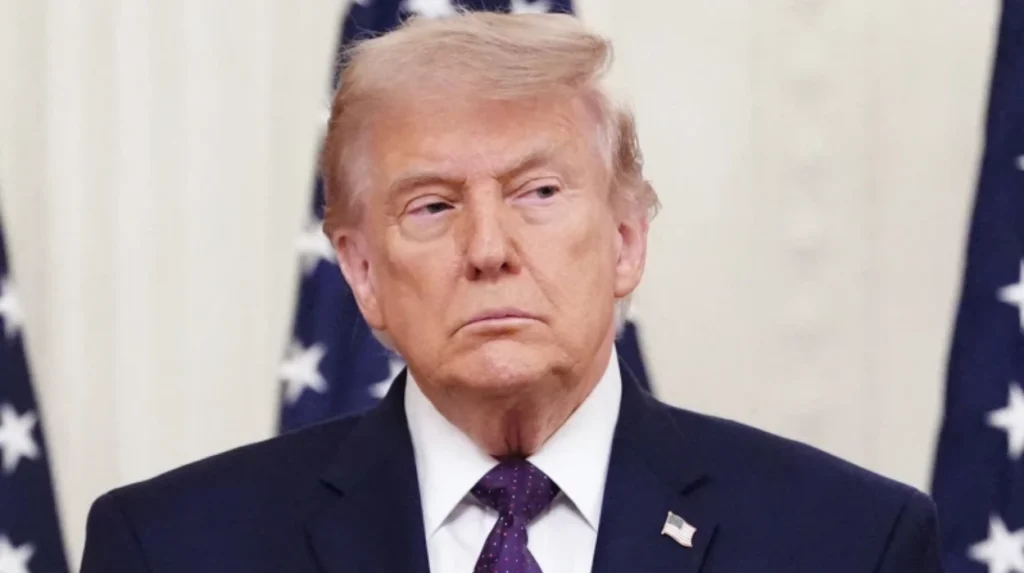
The discussions are occurring in the context of considerable political and strategic pressure. In one sense, the United States seems to have indicated that the deal may be in sight, with President Donald Trump calling the talks “constructive” and, in another analysis, noting that
“it had largely been negotiated.”
At the same time, however, it is evident that the Iranian delegation believes that there is still too far to go to declare that agreement is imminent. This distinction in tone is important insofar as diplomacy is more than just agreements.
The reason for this may be found not only in the substance but also in the strategy. In terms of the former, the Islamic Republic of Iran is trying to understand what it will lose and gain. In the latter, there is no particular incentive for the country to say anything about the development of the negotiations when the success of this process is very dependent on Iran’s position at this time. This is why Iran’s rhetoric revolves around the changes in the U.S. stance and that certain U.S. demands were exaggerated in the previous rounds of negotiation.
At the same time, it should be pointed out that the diplomatic efforts of the U.S. and Iran take place in the context of unstable relations across the entire region. Therefore, any deal between these countries will necessarily affect the overall situation not only in terms of bilateral relations but also regarding the problems of maritime security and oil supplies. In other words, each statement is of great importance.
Key sticking points
The primary challenge is still that the parties might concur on the necessity of making an arrangement but have yet to agree on what to include in it. Reports from Iran and media coverage abroad show ongoing disagreements over sanction removal, nuclear enrichment, and whether the more contentious issues will be resolved now or put off to future negotiations.
The strait of Hormuz is one of the more contentious issues reported recently. Trump made comments suggesting that the agreement would lead to the reopening of the strait, while Iranian reports disagreed with that characterization and deemed the claim to be an incomplete assessment. The importance of the dispute lies in the significance of the geographical area, as the strait is one of the key maritime chokepoints around the world. Thus, any changes in the area would be significant for both shipping companies and oil markets.
Moreover, nuclear matters seem to be as important as ever. It was reported that among the topics discussed in negotiations were Iran’s enriched uranium and restrictions on its enrichment program. This is the matter which traditionally has been one of the key obstacles on the way to success, since it touches on Iran’s security interests as well as the U.S.’ requirement for non-proliferation assurances. In order for any accord to be achieved, both sides should strike some sort of balance between these aspects of the problem.
Finally, economic sanctions seem to be at the very center of the debate. As for Iran, an agreement without substantial economic benefits seems to be quite unconvincing. On the other hand, for the United States lifting sanctions would hardly mean giving up any control; rather, such decision would depend on verification of Iran’s fulfillment of obligations. Thus, here lies one of the most problematic points of the negotiations: each side expects concessions from the other party.
The language of leverage
One of the most revealing parts of the story is not just what the officials said, but how they said it. Iran’s “very close and very far” line is classic diplomatic hedging. It communicates that the door remains open, but it also protects Tehran from being trapped by expectations if the talks falter. The phrase suggests that the two sides may have narrowed some differences, but not enough to claim success.
Trump’s more optimistic tone serves a different purpose. By calling the talks “constructive” and suggesting they are “largely negotiated,” he creates an impression of forward movement and pressure on Iran to finalize terms. That kind of public messaging can be designed to shape both domestic opinion and the negotiation itself. It tells supporters that diplomacy is working while also signaling to Tehran that the U.S. believes the window for a deal is available now.
Still, optimism is not the same as completion. The fact that no announcement has followed these statements tells us the negotiation remains unresolved. In diplomatic reporting, that gap between rhetoric and outcome is often the most important clue. It indicates that while leaders may want to project confidence, their teams still have work to do on the details that actually make or break an agreement.
Regional and market impact
The stakes extend far beyond the negotiating table. Any progress or failure in U.S.-Iran talks has immediate relevance for the wider Middle East, especially where military postures, proxy tensions, and maritime trade intersect. That is why the story is being watched so closely by regional governments, energy markets, and security analysts. Even without a signed agreement, the mere possibility of one can shift calculations in Tehran, Washington, and across the Gulf.
The Strait of Hormuz is especially important in this regard because it connects diplomacy to the global economy. Shipping disruptions or even fears of disruption can affect insurance costs, oil prices, and supply reliability. If the talks were to produce a meaningful de-escalation, it could reduce some of that pressure. But if the negotiations stall, markets may quickly return to pricing in risk.
There is also a broader political dimension. For the U.S., a deal could be presented as a diplomatic accomplishment, particularly if it reduces immediate security risks. For Iran, any agreement would need to show that it extracted real concessions, particularly on sanctions. This makes both governments highly sensitive to how the talks are described in public. A deal must not only be reached; it must also be narratively defensible at home.