The expiration of the New Strategic Arms Reduction Treaty (New START) on Thursday has sparked new concerns about a new nuclear arms race, leaving the United States and Russia, the world’s two largest nuclear powers, without legally binding controls on their nuclear arsenals for the first time in decades.
The expiration represents a historic shift in bilateral arms control, bringing an end to more than 50 years of treaties that limited the number of nuclear weapons and helped to prevent nuclear escalation during the Cold War era.
What New START Limited—and Why It Mattered
New START entered into force in February 2011 and imposed strict caps on deployed strategic nuclear weapons. The treaty limited each side to:
- 1,550 deployed nuclear warheads
- 700 deployed delivery systems, including intercontinental ballistic missiles (ICBMs), submarine-launched ballistic missiles (SLBMs), and nuclear-capable heavy bombers
- 800 total deployed and non-deployed launchers
Crucially, the treaty imposed verifiable limits on Russian intercontinental nuclear capabilities that could strike the United States of America, facilitated by inspection and transparency measures that minimized the danger of miscalculations.
Critics Say the Treaty Was Outdated
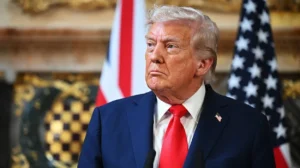
Those who oppose the New START agreement, including President Donald Trump, have long argued that the agreement does not reflect the current strategic reality. At the heart of this is China, which was not party to the agreement despite its rapidly growing nuclear arsenal.
China could have as many as 1,500 nuclear warheads by 2035 if it continues on its current trajectory, according to a report by the Pentagon in 2022. This puts the United States at a strategic disadvantage, given that it is currently limiting its own military strength while China is growing its capabilities.
Extension Efforts Fell Short
The initial term of New START was set for 10 years. In 2021, the United States and Russia agreed to extend the treaty for a single five-year term, and the expiration date was set for February 4, 2026. The treaty was not eligible for further extensions, although the parties could have agreed to continue to observe the limits of the treaty on an informal basis.
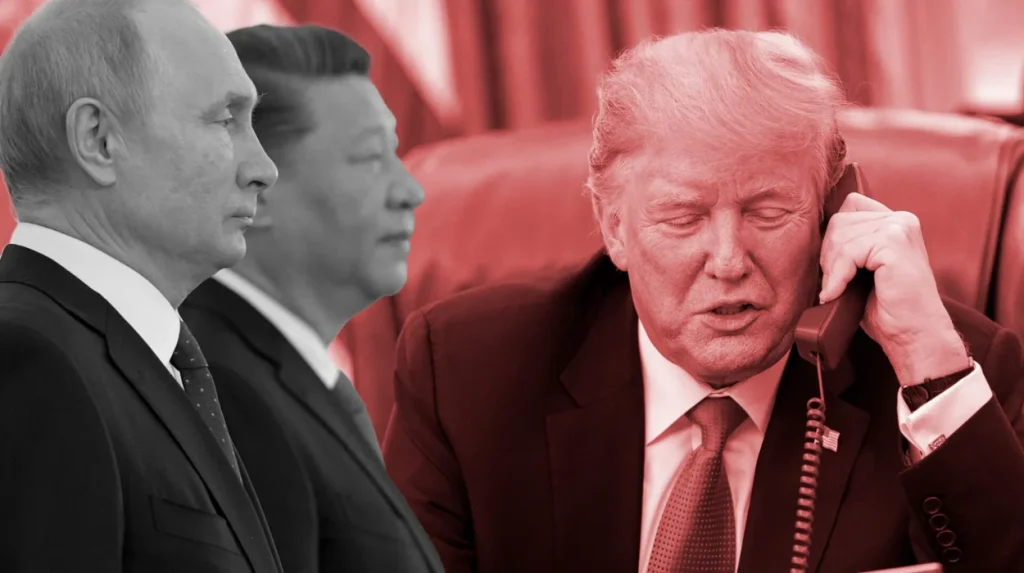
Russian President Vladimir Putin had proposed an interim extension of this kind last September, suggesting that the two countries should stick to the caps set by the treaty for another year. Trump had welcomed this move, terming it “a good idea” at that time. However, Trump has recently played down the importance of the expiration of the treaty.
“If it expires, it expires,”
Trump told The New York Times.
“We’ll do a better agreement.”
Washington Signals Shift Away from Bilateral Limits
In his remarks on Wednesday, Secretary of State Marco Rubio made it clear that the US would not agree to extend the limits of the New START treaty without China’s participation, echoing Trump’s long-held demand for a trilateral nuclear agreement. However, Beijing has consistently and publicly refused to join trilateral arms control talks, citing the fact that its nuclear force is still much smaller compared to those of the US and Russia.
“The president has been clear… that in order to have true arms control in the 21st century, it’s impossible to do something that doesn’t include China because of their vast and rapidly growing stockpile,”
Rubio said.
Moscow Reacts: ‘Erroneous and Regrettable’
Russia’s Foreign Ministry said Wednesday that it had received no formal response from the Trump administration regarding interim arrangements and criticized Washington’s public posture.
“This approach seems erroneous and regrettable,”
the ministry said, adding that it now assumes the two countries are “no longer bound by any obligations” under New START, including its core provisions.
Moscow signaled that it now considers itself free to pursue any course of action, raising the prospect of rapid nuclear force expansion.
Uncertain U.S. Response and Escalation Risks
A Trump administration official told CNN that the president remains concerned about the global threat posed by nuclear weapons and has expressed interest in maintaining limits—provided China is included.
“The president will decide the path forward on nuclear arms control on his own timeline,”
the official said.
Former U.S. officials and arms control experts warn that Washington may soon increase the number of deployed nuclear warheads, reversing reductions made to comply with New START. Supporters of such a move argue it could reassure U.S. allies who might otherwise consider developing their own nuclear deterrents.
Critics counter that any U.S. expansion would likely trigger an immediate response from Russia, accelerating a cycle of escalation.
China Looms Over a Fragmenting Arms Control System
Trump pursued a trilateral nuclear agreement during his first term, and administration officials have continued quiet outreach to Beijing over the past year. While China has refused formal negotiations on arsenal limits, multiple “track-two” strategic stability dialogues between U.S. and Chinese experts have taken place.
One former official involved in those talks said China appears increasingly aware that the collapse of structured U.S.-Russia arms control places Beijing in a more volatile strategic environment.
“This may be due to growing awareness that the size of their nuclear arsenal… has cast them into a world less familiar to them,”
the former official said.
Experts Warn of a Three-Way Arms Race
Arms control advocates warn that abandoning New START without an interim framework risks triggering a dangerous three-way competition among the United States, Russia, and China.
“We could see a dangerous three-way arms race,”
said Daryl Kimball, executive director of the Arms Control Association.
“But all of that could be avoided or mitigated with some simple common-sense diplomatic efforts.”
Kimball warned that while New START’s expiration is not the first setback in nuclear risk reduction, its collapse comes at a particularly destabilizing moment.
“In the midst of the Trump administration’s wrecking-ball approach to international rules and treaties,”
he said, the end of New START
“could be the starting point for a new era of unconstrained, unbridled arms racing that is costly and dangerous for all countries.”
A Precarious Nuclear Future
With no replacement agreement in place and no clear path to bringing China into formal arms control, the expiration of New START leaves the global nuclear order more fragile than at any point since the Cold War.
Whether Washington, Moscow, and Beijing choose restraint—or escalation—may shape international security for decades to come.