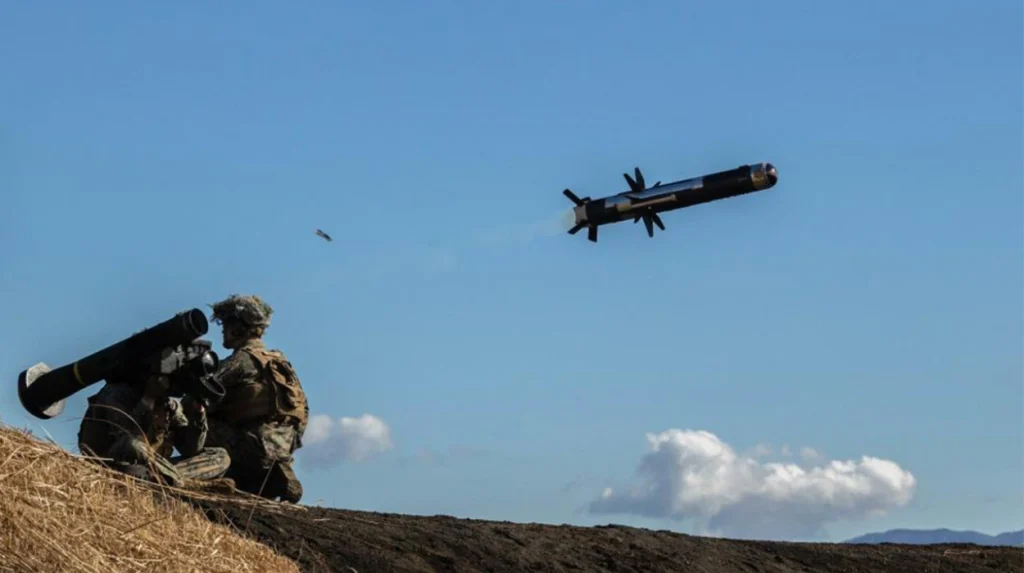
Defense spending in 2025 is a reflection of a re-evaluation of the concept of long-term military preparedness and strategic deterrence in the U.S. Washington invested about 880 billion in the Pentagon and it remains the largest military investor in the world. This growth is associated with a continuation of geopolitical uncertainty, active modernization of militaries by both China and Russia, and the continued necessity to be able to project credible force in such a manner.
Modernization Driving Budget Growth
The 2025 allocation includes a substantial amount that will promote next-generation systems, which will help to counter emerging threats. Priority is still given to hypersonic weapons systems, space-based surveillance networks, and cyber security systems. Defense authorities are keen to note that the modernization will guarantee qualitative superiority especially with the opponents hastening technological improvements.
Sustaining Readiness Amid Evolving Threats
Funding towards operational readiness is also increased including training, logistic and person requirements. As the U.S. military leaders emphasize, upgrades in readiness continue to be critical in the face of diversified missions of the U.S. forces between Indo-Pacific deterrence and European reinforcement. These changes mirror the changes in the balance of power in the world and distribution of sophisticated weapons technologies.
The Nuclear Deterrence Imperative
It is followed by high modernization of nuclear development, and improvement of delivery systems, command infrastructure, and warhead sustainment. According to policy makers, the stability of deterrence depends on the credibility and survivability of nuclear forces, particularly in the period of sore rekindled great-power rivalry.
Arms Exports Reshaping Alliances And Regional Balances
The sale of U.S. weapons in 2025 has increased significantly, which has strengthened the diplomatic power of Washington as well as the defense systems of its allies. The State Department recorded military sales of over $120 billion of foreign military equipment, which was one of the highest in the last few years.
Strengthening NATO Defense Capabilities
Allies of NATO especially in the East Berlin nations gained the high technology of missile defense systems, fighter jets and surveillance systems. Such transfers enhance joint protection and enhance interoperability with the U.S. forces. Analysts also mention that the sale of weapons is also reassuring in the times of high tensions associated with the current war in Ukraine and the overall fragmentation of security in Europe.
Supporting Partners In Asia And The Middle East
The number of defense agreements with Indo-Pacific partners increased, which indicated the willingness of Washington to neutralize the role of China in the region. Sales consisted of maritime patrol equipment, precision munition and integrated radar. The transfers of arms in the Middle East have been selective yet strategically important with more focus on defensive measures against missile and drone threat.
Export Controls And Ethical Considerations
In spite of the strategic merits of the sale of arms, Washington is under scrutiny when it comes to the sale of arms to states that have questionable human rights records. In 2025, there is increased Congressional oversight, which led to more intense vetting. According to the officials, the new structure can be called a vindication between strategic need and ethical risk management, which will help to avoid abuse and decrease the possibility of conflict development.
Implications For Defense Industrial Dynamics
The U.S. defense budgetary rise and weapon sales have great ramifications on the home defense industry and the world defence industries.
Industrial Capacity And Innovation Demands
The growing demand of advanced platforms causes a strain on the production schedule and supply chain stability. To address the increased production demands, the U.S. companies have increased their investment in automation, additive manufacturing, and artificial intelligence-assisted logistics. These changes are a reaction to the procurement laggardness experienced in the past years and a general trend to act more industrially flexibly.
Competition With Global Defense Producers
Other exporters, such as Russia, China, and emerging European consortia, are trying to break the monopoly of the U.S. in the world arms market. Nevertheless, continued restrictions of Russia, supply chain limitations in China and divided purchasing power of Europe have maintained the competitive edge of Washington. According to the analysts, the American technology services, combined with the traditional alliance system, still provide American manufacturers with a substantial advantage.
Transatlantic Defense Market Tensions
The explosion of the U.S. arms exports creates concerns among the European defense companies on the issue of market dependency. European governments promote better domestic procurement to keep the industry within the region strong, whereas others prefer to use the U.S. systems due to the interoperability it has with NATO forces. This rift is the basis of the discussions about strategic autonomy and the future direction of the European defense capabilities.
Fiscal Realities And Political Constraints
Even though the growth in defense spending continues to be bipartisan, it finds itself in a multifaceted fiscal environment that is characterized by competing domestic demands.
Budgetary Pressures And Oversight Measures
By 2025, Congressional committees aimed to augment their review of procurement inefficiencies, cost overruns and program delays. Lawmakers support increased transparency as the audits conducted in past years revealed the systemic problems with the acquisition pipelines. The Pentagon is undertaking gradual reforms that are aimed at streamlining the contracting procedures and making the process more accountable.
Balancing Domestic Needs With Defense Commitments
The federal investments in infrastructures, social programs and climate oriented programs are the competitors of defense in terms of long term funding flexibility. Policymakers recognize that long term military expenditure should be in line with the greater economic reality and this is the reason why strategic decisions are made on the type of modernization programs to be given priority.
Strategic Outlook And Global Implications
This trend in the U.S. defense expenditures and weapons sales in 2025 shows the interdependency of military spending, diplomatic alignment, and international security requirements. Washington’s increased defense posture strengthens the bond bridges within the alliance and creates a deterrence effect to other competitors. Meanwhile, greater military exports of arms embed U.S. power in world military structures and influence the force building in various parts of the world.
But the general impression is complicated. The pressures of modernization demand serious and long-term investment, although political and fiscal limits are reducing the range of strategies. Arms sales help to build stronger relations but have diplomatic sensitivities, which have to be well handled. And technology change is going to alter the character of conflict in such a way that is hard to completely predict.
With the progression of 2025, Washington is facing a major dilemma: how to stay on the top of the game and deal with the economic, diplomatic, and technological challenges that encapsulate the defense policy. Its balance will not only significantly determine the U.S. security in the future but also the changing structure of world military strength.