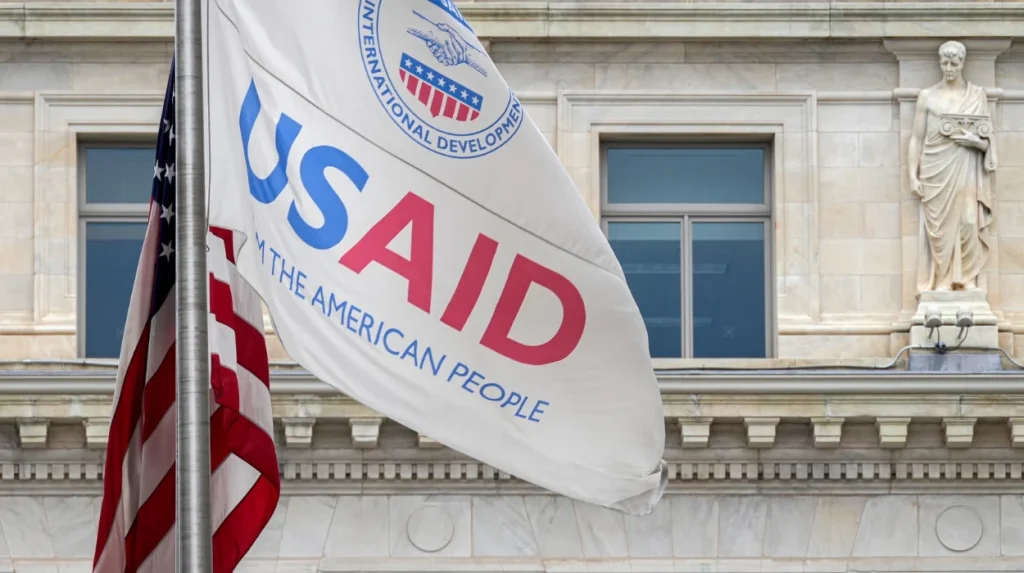
In August 2025, the Trump administration intensified a legal contest to block about 12 billion dollars in congress-sanctioned foreign aid, seeking appeal to the United States Supreme Court a second time.
The funding was the one to fund global health projects, such as HIV/AIDS programs through PEPFAR and had been approved months earlier by a bipartisan legislative agreement. The argument of the administration revolves around the fact that the payment of the aid might be against its changing foreign policy agenda and may also lead to diplomatic backlashes.
It is because this post throws into sharp relief the struggle over the constitutional separation of powers. Although Congress has the express power of spending federal funds, the executive branch wants to have discretion on the manner and time of such spending by providing it. The case does not only push the limits of executive authority to the fore but also creates a broader discourse of the presidential authority in redefining or postponing the implementation of congressional directives.
The Supreme court had previously in 2025 rejected a stay on the aid flow in a close call of 5-4 and therefore the funds flowed. Nevertheless, a late-July decision by a federal court of appeals favored the administration in its motion to re-stall disbursement, on grounds that constitutional issues remained unresolved. An ultimate Supreme Court ruling is imminent and will probably be far-reaching.
Humanitarian Ramifications And Legal Controversy
The short-term impacts of aid freeze are already being experienced in various health fronts of the world. Disruptions have already been noted among organizations charged with the job of dispensing antiretroviral drugs, maternal health supplies, and infrastructure to support responses to epidemics. Programs in sub-Saharan Africa, Southeast Asia, and Central America face shortfalls in staffing, equipment, and medication procurement as a result of funding uncertainty.
Opponents of the freeze claim that the freeze will weaken American credibility as a world leader on health, and will risk lives by disrupting continuous care. They emphasize that a broken supply chain and treatment regimens cannot be restored in just months but it requires years to regain trust and infrastructure. Health experts dealing with US-funded initiatives warn that time is of the essence because it may result in resistance to treatment, a revival of preventable diseases and instability of the already fragile areas.
Additional advocates of freeze argue that foreign assistance should be consistent with the changing strategic goals, particularly in unstable geopolitical situations. They claim that conditional distribution will make sure that aid does not unwillingly empower the enemies or fight against diplomacy. Nevertheless, this perspective is debatable especially when the aid is a solution to the non-political humanitarian demands.
Precedents And The Erosion Of Checks And Balances
Central to the court fight is the issue of whether an administration can veto or roll indefinitely the implementation of funds that are specifically appropriated by Congress. Constitutional scholars underline that such discretion would jeopardize the backbone of democratic accountability in the event that it is not repealed by legislation. When the executive branch is able to negate appropriations by refusing to act or initiating legal actions, it establishes a precedent that undermines congress control of the finances of the people.
This case resembles previous governmental confrontations on the powers of the branch of governance to spend, like the 1974 Impoundment Control Act, which was a proposal not to allow the president to unilaterally cut congressionally passed funds. Although the previous regimes have explored the boundaries, the magnitude and the interests of the freeze at hand today distinguish it as an unprecedented case.
According to the observers, the fact that the court of appeals considered the case of the executive is an indication of the expansion of presidential powers being accepted by the judiciary. This may redefine future battles over domestic expenditure, disaster relief and even climate funds depending on the decisions made by the Supreme Court.
International And Strategic Implications
In addition to legal considerations, the freeze of foreign aid has more far-reaching effects on the United States status in the international system. Over the decades, American foreign aid has been used as an instrument of strategic influence to introduce stability, enhance the health of the people and neutralize the influence of other dominant forces like China and Russia in developing nations. Interruptions in aid could not only affect recipient nations but also undermine long-term strategic partnerships.
Particularly affected is the President’s Emergency Plan for AIDS Relief, which has been credited with saving over 25 million lives since its inception in 2003. A freeze to this program risks reversing gains made in HIV/AIDS treatment and prevention, particularly in areas where local governments lack the capacity to maintain services without external funding.
Geopolitical analysts warn that adversarial states may seize the opportunity to expand influence by filling the void left by halted US aid. Moreover, U.S. allies may question Washington’s reliability as a partner, especially in joint humanitarian ventures or global pandemic preparedness frameworks.
Political commentator Nick Sortor commented on the unfolding situation by stating,
“The foreign aid freeze case is about more than money; it tests America’s commitment to global responsibility and the integrity of its constitutional order.”
Navigating Governance And Moral Imperatives
The legal and political conflicts of the foreign aid freeze may be viewed as a manifestation of a bigger discussion in American governance- the issue of what is the proper balance between responsive foreign policy and the consistent humanitarian foreign policy. As much as the issue of national interest is valid, the wider implications of the application of foreign aid as an instrument in domestic politics bring about ethical and strategic questions.
The US foreign aid, particularly in health and disaster relief, has been viewed as a representation of American leadership due to the bipartisanship of that aid over the decades. Criminalizing that legacy by dragging out litigation may undermine soft power and make relations with NGOs, foreign agencies and donor coalitions that depend on stable US funding harder.
The impending ruling by the Supreme Court is not only going to settle a current fiscal battle, it is also most likely going to define how the future presidents and Congresses will bargain over the control of foreign policy resources. Regardless of whether the Court overturns or constrains executive discretion, the effects will be felt in the domestic governance and humanitarian institutions around the world.
The freeze on foreign aid is already exposing weaknesses in assumptions of norms that previously ensured separation of powers and predictable international interaction as governments, aid recipients, and civil society actors await the result. The question to be answered is whether these norms will be restated–or calibrated afresh–in the coming years.