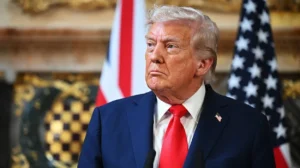
The future President of the United States, Donald Trump, adopted a policy in Europe that pleases Republican supporters. However, this policy increases the risks of many challenges. Trump wants to make Europe less dependent on the US security system. For this purpose, he pushed his allies to increase defense spending. This effort by Trump may have given unintended results. This could make Europe more vulnerable to Russian aggression and Chinese economic influence instead of strengthening it.
Nowadays, Europe is facing many challenges with the US in the trade sector. The European Commission is making efforts to overcome trade complexities. At the same time, individuals and nations are seeking favor with Trump’s allies. This type of approach highlights that Europe may not coordinate in a better way with the US’ future policies.
The EU-US trade deficit decreased due to Trump’s priorities. He pushed Europe to share defense costs that reflect long-standing American objectives. As compared to Joe Biden, Trump has adopted an aggressive approach towards Europe. These harsh actions may harm EU-US relations. His approach could cause both sides to be less secure in tackling the worldwide challenges.
According to the Biden administration, Europe handles global challenges better when it works on a single platform collectively. This idea proves beneficial for the leader of the EU Commission, Ursula von der Leyen. She also plays an important role in maintaining US-EU relations. The European Union gained more influence as compared to France and Germany. The main focus of the United States is Brussels instead of individual European nations. This brings Europe closer to one another.
While Biden used economic pressure, like the Inflation Reduction Act, he avoided causing fights between allies to benefit the US.
On the other hand, Trump’s approach is divided. He forced NATO nations to spend more on defense. He did not want NATO countries to work together on the EU defense project. He pushed them to buy weapons from the US. Trump has also adopted the high tariff strategy. He threatened Europe and forced them to agree with the United States on China.
His support for far-right leaders in Europe added to divisions, weakening the EU.
In the second era of Trump, he will have many major objectives. This includes sharing Europe’s defense costs, working against China, making efforts to reduce trade deficits, and showing favoritism to Europe’s far right. All of these goals don’t fit well together. Paying attention to one could harm the others.
For example, introducing high tariffs could harm European economic sector and also the political landscape. For example, placing high tariffs and supporting far-right groups could weaken Europe’s economy and politics. Due to this Europe faces many difficulties in working against China or managing its security. As a result, the influence of China and Russia on Europe has increased which has been harming US interests.
Supporting a more powerful Europe that prioritizes defense and collaborates closely with the US on China would be a preferable course of action. The US would have to refrain from damaging practices, such as supporting far-right organizations, to achieve this. As an alternative, supporting Europe’s economy, particularly its trade sectors could increase stability and foster more collaboration on international issues.
From a realist perspective, if Washington selects the appropriate policy objectives from Trump’s agenda, this scenario may end up benefiting both parties. By boosting energy exports to Europe, a comprehensive trade and security deal between the United States and Europe might aid in lowering the US trade deficit. In exchange, Europe might provide greater assistance on significant matters such as Pacific security and China. Trump should concentrate on striking agreements rather than escalating trade disputes with Europe.
But it’s hard to strike a balance between conflicting interests, and even Trump can’t do them all. There won’t be a clear win-lose situation in the future of the US-European partnership. Either a win-win or a lose-lose scenario will prevail. The incoming government must carefully consider its options for future collaboration and how to approach Europe.