In the final months of the year 2025, there was a new diplomatic activity in the war in Ukraine, catalyzed by the development of a 28-point plan developed by Steve Witkoff, one of the diplomats working closely with former President Donald Trump. The plan, which was designed together with Jared Kushner, was based on a sequence of secret deliberations that took place in Moscow between Kremlin adviser Yuri Ushakov and the head of the Russian sovereign wealth fund Kirill Dmitriev. Its original version tried to combine long-term security needs of Russia and Western obligations to the sovereignty of Ukraine. Upon widespread consultation with Kyiv, Washington and European partners, the document was narrowed down to a smaller set of proposals which showed the political reality and pressure of alliances.
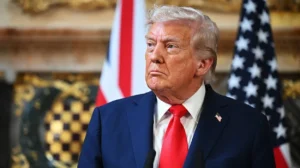
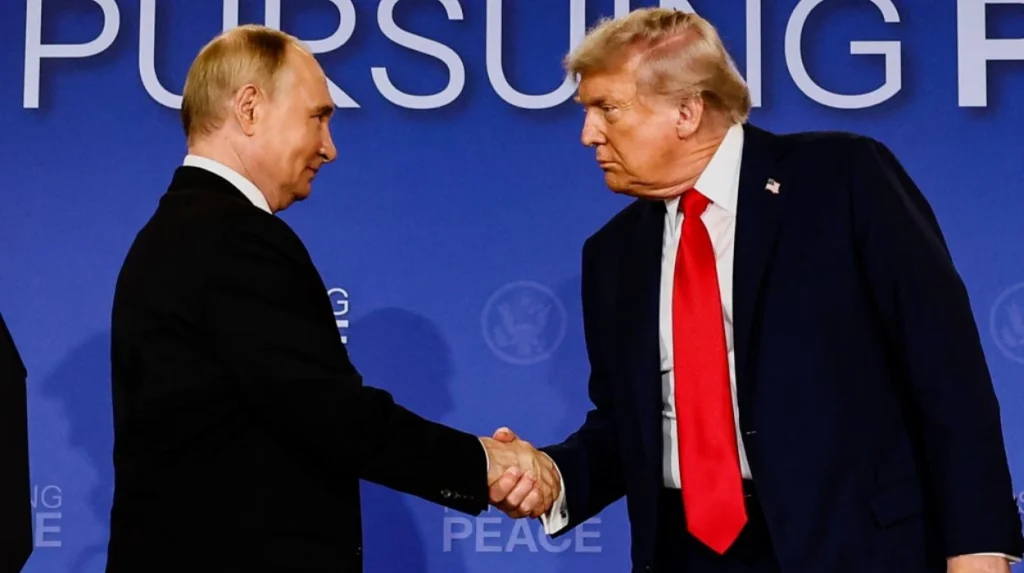
Trump described the strategy of Witkoff as that of a dealmaker who knows how to negotiate with all sides, citing his previous contact with Russian President Vladimir Putin as an asset in spite of the poor geopolitical environment. The clash between circumscribed territorial demands in Russia and the NATO guarantees of security in Ukraine was the interest of the main strategy in the last version of the plan.
The Role Of Personal Diplomacy In A Polarized Environment
Witkoff was further placed on record as he, in leaked transcripts, gave advice to Russian interlocutors on how to frame their communications to take the shape that complied with the diplomatic style of Trump. During a single paraphrased conversation, he proposed highlighting that Putin is willing to have a ceasefire and that he is thankful that Trump plays a role in facilitating a Gaza truce earlier in the year. Although this was seen by critics in Washington as being too submissive, it has been called pragmatic relationship management in search of a de-escalation process.
Parallel Engagements In Moscow And Kyiv
When Witkoff was about to visit Moscow again in December 2025, the Pentagon would make a high-level approach to Kyiv at the same time. The discussions to be held by US Army Secretary Daniel Driscoll with Ukrainian commanders in the future demonstrated the struggle between receiving an invitation to Russia and giving an assurance to partners. As Chief of Staff of the Ukrainian army, Andriy Yermak noted that the engagement was an obligatory way of elucidating intentions, expressing a note of cautious optimism with a recognition of the dangers of asymmetrical dialogue between the two diplomatic paths.
Navigating Security Guarantees Within NATO’s Strategic Framework
The structure of the peace plan created considerable controversy among NATO capitals, fuelled by the notion that various provisions, such as limitations on the size of future Ukrainian military, the formal abandonment of NATO membership, etc. might change the architecture of the alliance in the way that the conflict would last longer. Allies insisted that the sovereignty of Ukraine was still the key to the long-term security of Europe.
Russian Preconditions And Their Implications
Moscow demanded that any deal would have to capture its territory in eastern Ukraine and be accompanied by a boundary that would not allow expansion of NATO in future. Kremlin spokesman Dmitri Peskov did not comment on internal deliberations of the plan but admitted that some of the elements under consideration might lead to a format of dialogue. President Putin declared publicly in Russia that Russia would be willing to adopt the framework provided that it dealt with what he termed as core threats but he reiterated that there would be a continuation of the military activities in case there was a breakage of the negotiations.
Balancing Western Commitments With Diplomatic Flexibility
Privately, the European governments were also concerned that the forced neutrality of Ukraine would give rise to a precedent that would weaken the open-door policy of NATO. However, one of the parts of the US strategy in late 2025 was the documentation of alternative security systems to assist Ukraine based on bilateral and multilateral guarantees, including European defense pledges regardless of the formal membership in an alliance. These proposals would offer deterrence without violating the red lines that Russia had indicated, though what their operational viability may be is unclear.
Kyiv’s Calculations Under Continued Pressure
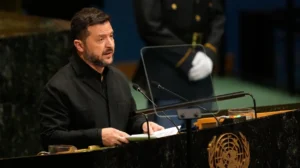
President Volodymyr Zelensky termed the plan as having difficult choices, a term that demonstrated military burnout as well as political limitations. Once again the Ukrainian officials threatened that further Russian moves can be encouraged by territorial or sovereignty concessions. However, they admitted the importance of considering all the credible paths that might decrease hostilities without lowering national integrity.
Political Reactions And Strategic Debate In Washington
Partisan divisions in the United States were caused by the introduction of Witkoff negotiations. Opponents claimed that the plan was dominated by Russia and others claimed that it was a viable move to release diplomatic paralysis after years of not making headway.
Scrutiny Of Witkoff’s Approach Inside The US Government
Certain policymakers doubted that a personal friend of Trump ought to be the key figure in a process that involved significant interests on international security matters. However, the administration officials indicated that the priority was to terminate the war on terms that would avoid future warfare implying that there was room to be flexible with the channels to be employed in advancing dialogue. This was part of a wider trend in 2025 as unconventional diplomatic actors were more involved in multilateral negotiations in various parts of the world.
The Broader Geopolitical Impact Of A Proposed Ceasefire
The development of the plan is accompanied with the changing international priorities. The ongoing conflicts in the Middle East, cyber activity in Europe, and the unstable situation in the Black Sea region are some of the factors that make the necessity to ensure the stability in Ukraine urgent. The United States and its allies acknowledge that a lasting truce will save geopolitical bandwidth expended on a fourth-year-old war, although none of them believe it would be easy to forge a balanced compromise.
Strategic Pathways And Risks For The Months Ahead
The next stage of the negotiation process is associated with the need to reconcile the requirements of Russia, who is focused on the recognition of the territorial control, and Ukraine, which needs security assurances that will ensure the aggression does not occur again. The two-track format with Witkoff in Moscow and Driscoll in Kyiv consultations highlights a strategy of keeping the pace and not causing the diplomatic imbalance.
The Challenge Of Maintaining NATO Unity
The cohesion of NATO is still a key factor. Alliance members are forced to overcome the conflict between keeping Ukraine sovereign and assessing concessions that can be very crucial to stop the steps of ceasefire. According to European diplomats, the politics of domestic countries in various countries changed in 2025, and this factor puts pressure on the need to find a political way of sustainability, without long-term military and financial obligations.
The Role Of Russia’s Internal Dynamics
Russian leaders have indicated that national need in the economy and the length of the war have raised the contentment of discussions, but the government still holds powerful official statements. Analysts observe that there is a possibility of an internal political calculation in Moscow because of any change that may be perceived to be strategic withdrawal which would complicate the negotiation atmosphere.
Potential Impact On The Future Of European Security
The implications of the peace plan in the long run do not only include Ukraine. The form of any agreement would transform the security environment of Europe, have an impact on further NATO expansion debates, and future relationships with Russia in the coming years. These broader implications ensure that every provision of the developing framework is subject to a great level of examination by the governments and the analysts.
Emerging Questions In A Shifting Diplomatic Landscape
As negotiations intensify, the interplay between personalized envoy diplomacy, formal institutional channels, and alliance-based security considerations continues to shape the trajectory of discussions. The months ahead will test not only the viability of the proposed framework but also the capacities of all parties to align interests in a conflict that has repeatedly defied diplomatic resolution. Whether Witkoff’s balancing strategy can bridge the deepest divides of the war remains a central question shaping expectations across capitals monitoring the unfolding process.