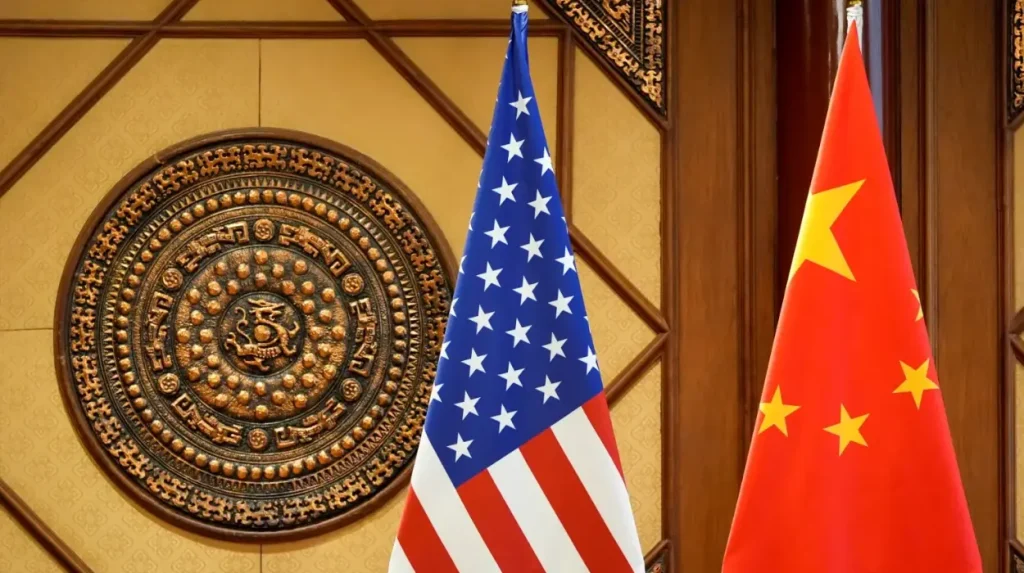
The US foreign policy in the future is determined by the combination of increasing global conflicts and the pressure to reassess the role of the US in the world that is changing swiftly. As it deals with the competition of China and Russia, the United States is still determined to maintain the global leadership by means of strategic partnerships, economic power, and diplomacy.
However, due to the appearance of new security threats and the internal limitations, the equilibrium between aggressiveness and pragmatism has become more and more challenging.
Shifting dynamics in US foreign policy
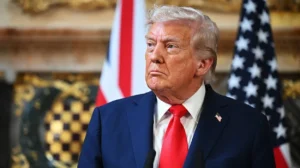
The succession of presidential leadership in early 2025 in the US has not turned back the overall foreign policy objectives of the last several years. Instead, continuity is the driving force of the current administration, especially in how it was dealing with the long standing menace of Beijing and Moscow. General tariffs on Chinese imports are still in place, and sanctions on Russia are constantly being revised in line with the ongoing war in Ukraine and cyber actions by the Russian state actors.
These are economic instruments that constitute a greater coercive policy. Nevertheless they also raise concerns as to the sustainability of US international activity particularly with the fiscal constraints and the citizen weariness of overseas involvements. There is a trade-off between great power deterrence demands and a practical imperative of selective participation by the US government especially when domestic consensus is a weak or overstretched phenomenon.
Strategic focus on global pivot regions
The Indo-Pacific continues to form the basis of US geopolitical focus. The United States has increased security alliances with India, Australia, Japan, and South Korea in 2025, strengthening the diplomatic and defense efforts of the Quad. Multilateral discussions and joint naval drills highlight the desire of Washington to have stability within the region particularly in its quest to counter the South China Sea ambitions by China and its technological superiority within Southeast Asia.
There is an increase in the efforts to strengthen infrastructure and digital collaboration. The US has been investing in regional economic corridors and this has placed the country in a counter-position with the Belt and Road Initiative by China. Not only are these moves aimed at having strategic access but they are also aimed at developing economic alternatives which are beneficial to the US democratic ideals and standards of transparency.
South and Central Asia’s rising geostrategic role
Afghanistan, Pakistan and central Asian republics have once again taken a central place in the Washington strategic calculus. Though the US military involvement has dwindled, the diplomatic and intelligence integration has increased particularly in ensuring that the region is not a vacuum of extremist networks or foreign influence.
The US is also sponsoring governance reforms and energy relations on the territories such as Kazakhstan and Uzbekistan, which strive to restrict the growing economic presence of Beijing. This is a soft diplomatic policy mixed with selective economic assistance, which strengthens the presence of Washington without making him more militarily involved.
The challenges of maintaining alliances and leadership
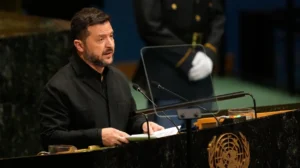
NATO still remains at the center of US foreign policy especially as far as security in Europe is concerned. Nevertheless, civil strife still exists. A number of member states are becoming unwilling to fulfill their defense expenditures or increase their participation in defense support in Ukraine. The United States has been taking out proportionate shares of the burden yet is determined to maintain cohesion in the alliance, which is worrisome because of the sustainability in the long run.
Concurrently, new bilateral and minilateral forms are increasing. Washington has crafted parallel defense structures with Pacific island countries and re-energized strategic consultations with countries such as the Philippines and Vietnam extending its power beyond the normal multilateral establishments.
In-country politics makes alliance management even more convoluted. The US has always had challenges in supporting bipartisanship in global engagement by nationalist movements and isolationist rhetoric. Such pressures increase the pressure on diplomatic signaling and the articulations of the US commitments in other nations.
Economic power and diplomatic strategy
Statistical statecraft is one of the main aspects of US foreign policy that it is more and more exercising. In 2025, the targeted sanctions and export controls are influencing the actions of belligerent states, particularly in the case of sensitive sectors such as semiconductors, artificial intelligence and rare earth supply chains. Another measure that Washington is undertaking is to strengthen foreign investment review procedures to avoid strategic acquisition activities by its rivals.
Yet, there is no cost that comes with economic measures. Allies occasionally voice anxiety about the secondary sanctions, and the worldwide markets are being upset because the US restrictions are impacting supply chains. This is because striking a balance between strategic denial and economic openness is very difficult, and this has been intensified by the fragmentation process of globalization.
As a way of coping with such complexities, US diplomacy has turned focus on joint economies. Such initiatives as Indo-Pacific Economic Framework (IPEF) and closer partnership with the EU are focused on a harmonization of the rules on digital trade, labor standards and climate adaptation. Such alliances are supposed to form world standards and lessen the reliance on totalitarian markets.
The role of democracy, human rights, and soft power
The US foreign policy language continues to reflect human rights and democratic values, but their application still is selective based on national interest. The US has also contributed to democratic changes in Latin America and has also given verbal criticism to civil society in dictatorial regimes. Nevertheless, critics cite lack of involvement in other parts of the world such as the Gulf where security alliances eclipse human rights lobbying.
The cultural exchanges and educational diplomacy are growing back, and Fulbright scholarships, language programs, and favored press freedom are being renewed. The US has also contributed more to global health activities, especially in preventing pandemic and vaccine equity, collaborating with the WHO and regional health partnerships.
Climate diplomacy has been in a state of continuous development where the US has led the world on methane reduction and sustainable financing arrangements in initiatives such as the Climate Club. These interactions are an indication of an attempt to exploit soft power to establish credibility and as a tool of strengthening international norms.
Navigating uncertainty and preparing for change
Strategic foresight is a luxury in the complexity of the environment of global affairs in 2025. The United States is not only threatened by its military competitors, but also by climate change, cyber warfare, and non-state actors. The US foreign policy needs to be agile, institutionally competent and visionary so as to be effective.
Analysts state that a comprehensive and coherent grand strategy should be developed that makes priorities clear, limits excesses, and increases resilience. There are more flexible models of burden sharing, better interagency co-ordination as well as diversified diplomatic channels other than traditional centers of power.
The congress role in foreign policy formulation is receiving fresh interest as well. With the international agreements under scrutiny back at home, the bipartisan consensus is essential in the long-term initiatives and credibility chart in the foreign countries. The ability to command is now being evaluated not only based on the military projection, but consistency, transparency and reliability.
The future of US foreign policy will continue to evolve within a global environment marked by fragmentation and recalibration. As strategic competition sharpens and multilateralism adapts, the choices made today will determine not only America’s role in global affairs but also the contours of international order in the coming decades. The interplay between rivalry and cooperation, ambition and restraint, remains the defining tension shaping US diplomacy in 2025 and beyond.