As part of a drastic increase in its power over Baghdad, the United States has made it clear that unless Iraq’s new prime minister takes concrete steps to break ties with Iranian-backed militia groups, the United States will no longer be sending funds or humanitarian aid.
The United States has stopped sending almost $500 million in cash from Iraq’s oil profits in New York since the United States invaded Iraq in 2003. Stopping the flow of dollars is interpreted by many as an economic attack against Iran’s regional proxies. The cuts to security cooperation programs, as well as the lack of funding for other programs, mean that the Trump Administration is adopting a zero tolerance policy for what they consider Baghdad’s support of terrorist organizations.
The US official stated that Iraq needed to show that it had a “new mindset” and that Baghdad would act as if they were no longer separating their governments from groups that are considered terrorists including those that fire weapons at the US embassy in Baghdad, attack airports, and even attack oil fields outside of Iraq. This change in strategy develops from the earlier stated warnings and sees the success of Zaidi’s leadership as a possible turning point, but it is a high-risk scenario because militias are deeply integrated into Iraq’s political system.
Iraq’s Political Deadlock and Zaidi’s Rise
Iraq’s Shia bloc, long divided over leadership tactics, settled on Ali alZaidi after the US explicitly rejected alMaliki’s candidacy due to his historical alignment with Tehran. AlMaliki’s past role as prime minister and his connections to Iran’s government had drawn sharp rebukes from Washington, prompting Trump to vow complete withdrawal of support. Zaidi, a relative political outsider with a business background, represents a pragmatic choice amid this impasse, but his ability to deliver on US demands remains unproven. The senior official’s statement on Tuesday highlighted expectations for Zaidi to expel militias from state roles, terminate their budget allocations, and stop salary payments to fighters steps that would fundamentally reshape Iraq’s security landscape.
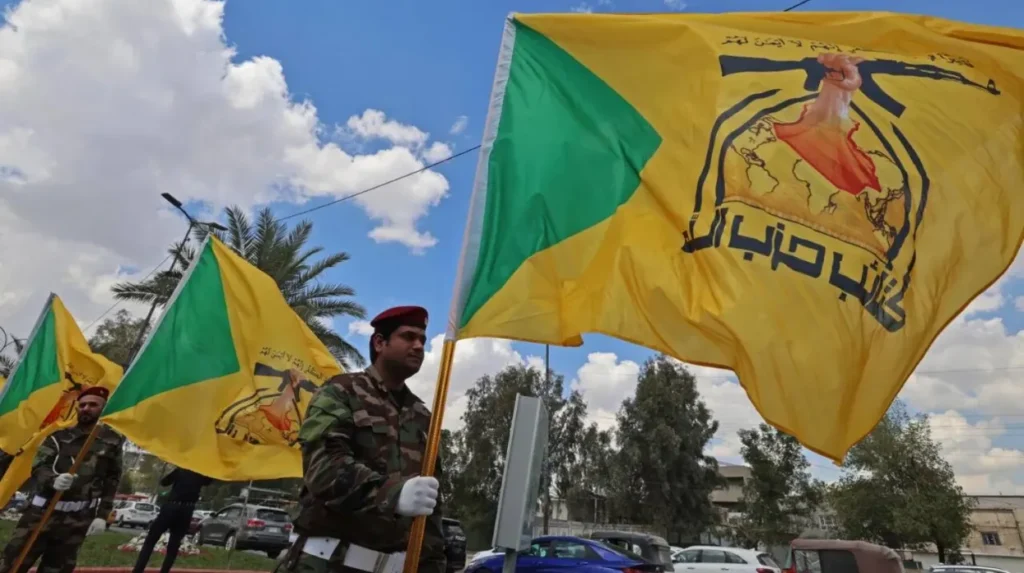
This nomination occurs against a backdrop of heightened tensions, with proIran factions providing political cover, financial backing, and operational sanctuary to armed groups within Iraq’s Shia majority. The US views these entities not merely as rogue actors but as extensions of Iranian influence that undermine Iraqi sovereignty. Postceasefire, attacks on US sites have halted domestically, though Iranian strikes persisted in Kurdistan, illustrating the precarious calm. Washington’s strategy appears calculated: by withholding aid, it forces Baghdad to prioritize national interests over militia loyalties, testing Zaidi’s resolve from the outset.
Scope of US Aid Suspension and Economic Impact
The blocked dollar shipments are no minor inconvenience; they stem from a postinvasion mechanism where Iraq’s oil dollars are funneled through US banks to prevent corruption and terror financing. Suspending them in late April disrupts government salaries, imports, and economic stability, amplifying pressure on the incoming administration. Security aid, frozen alongside, encompasses training, equipment, and intelligence sharing—vital for Iraq’s fight against ISIS remnants and internal threats. The US official noted that resuming these requires verifiable disentanglement, potentially starting with a public policy declaration disavowing militias.
Over 600 attacks since February 28 targeted key US assets, reflecting militia boldness during the USIsraelIran conflict. These incidents, which ceased after the April 8 truce except for select Kurdish hits, prompted the aid halt as a direct response. Reports from outlets like Arab News and AlMonitor detail how militias enjoy stateembedded benefits, from parliamentary seats to ministerial portfolios, blurring lines that Washington now demands clarified. For Iraq, compliance risks backlash from Iranbacked powerbrokers, while defiance could deepen economic woes and invite further US disengagement.
Washington’s Broader Foreign Policy Calculus
This maneuver fits into President Trump’s reelected administration’s pattern of using economic tools to counter Iranian expansionism, echoing tactics against Venezuela and others. By supporting Zaidi while setting firm red lines, the US signals openness to a reformed Iraq but refuses halfmeasures. The official’s anonymity underscores diplomatic delicacy, yet the message is unequivocal: “concrete actions” like institutional purges and funding cuts are nonnegotiable. As of May 7, no confirmation exists on Zaidi’s response or aid restoration, leaving Iraq in limbo.
Critics within regional analysis circles question whether Zaidi can navigate this minefield without fracturing the Shia coalition or provoking militia reprisals. ProIran groups, emboldened by Tehran’s orbit, have historically derailed moderates, as seen in past government formations. Yet the US calculation hinges on Zaidi’s outsider status offering fresh leverage, potentially stabilizing Iraq as a buffer against Iran. The ceasefire’s fragility adds urgency; renewed hostilities could amplify militia roles, justifying prolonged US pressure.
Militia Integration and State Challenges
Deeply woven into Iraq’s fabric, proIran militias receive overt state support, per the US assessment, complicating any purge. Budget lines fund their operations, salaries sustain fighters, and political patronage shields them from accountability. The senior official described this as erasing the divide between legitimate forces and terrorists, a dynamic exacerbated by over 600 strikes that tested US forbearance. Expelling them from institutions would require legislative overhauls and enforcement mechanisms, tasks Zaidi must champion amid coalition fissures.
Iraq’s Shia bloc’s internal divisions, evident since February when US rejection of alMaliki split tactics, underscore the high stakes. Zaidi’s path mirrors past transitions but with unprecedented US scrutiny, tying aid to deIranization. Financially, the $500 million blockage ripples through salaries for millions, imports, and reconstruction, forcing Baghdad to confront militia costs. Security freezes leave Iraqi forces vulnerable, highlighting US leverage in a nation still rebuilding postISIS.
Implications for Regional Stability
Should Zaidi comply, it could herald a USIraq reset, resuming aid and bolstering counterterrorism ties. Failure risks escalation, with Trump potentially slashing remaining support as warned. The policy tests Iraq’s sovereignty claims against practical dependencies, revealing US foreign policy’s blend of carrots and sticks. Regional players like Iran watch closely; militia weakening might curb Tehran’s sway but ignite proxy backlash.
As May 2026 unfolds, Zaidi’s early moves will define his tenure and USIraq ties. The demand for “concrete actions” encapsulates Washington’s ultimatum: distance from proIran groups or forgo vital aid. This saga, rooted in 600plus attacks and frozen $500 million, exemplifies how economic coercion shapes Middle East geopolitics under Trump. Iraq stands at a crossroads, balancing autonomy with survival in America’s orbit.