The 40 days war, which started on February 28, 2026, had caused great human and economic costs, which transformed the decision-making process in Washington and Tehran. The calculus of the ceasefire by Trump is based on such consequences, as the results on the battlefield are combined with economic stress and political pressure. Initial estimates put deaths at 3,000 to 4,000, with the majority of the deaths taking place within Iran, with infrastructure destruction spanning strategic energy sectors.
The Gulf experienced oil-producing areas that had an impact around the world. The Strait of Hormuz, which is a route to nearly a fifth of the oil all over the globe, turned into a point of concern as the pace of shipping slowed and insurance premiums skyrocketed. These actions promoted the sense of the urgency of a diplomatic pause, despite the fact that there were underlying tensions that were not resolved.
Economic Shock and Market Reactions
The escalation was met with a sharp reaction in the energy markets. The price of the Brent crude shot past 110 per barrel at a rapid pace compared to the prices before the conflict. The prices of gasoline also increased in line with this, which contributed to inflationary pressures in the key economies and increased domestic politics in the United States.
There was more uncertainty manifested in financial markets. There were massive losses in the regional stock exchange, whereas international indices indicated turbulence as a result of the breakages in the supply chain. These economic shocks were part of an increasing belief that a lengthy conflict would be unsustainable.
Human and Infrastructure Impact
In addition to the monetary indicators, the human cost influenced the international reaction. The number of civilian casualties and displacement increased pressure on policymakers to seek de-escalation. Destruction of oil plants and transport infrastructure also complicated the recovery process, especially in regions that were already tense due to previous tensions in 2025.
These losses, and the accumulated impact of them, reinforced the view that further escalation would not be providing increasing strategic returns and the change to negotiation began.
Ceasefire Emergence Reflects Tactical Recalibration
The announcement of the ceasefire in mid-April 2026 was a turning point, the sustainability of the course is unclear. The ceasefire calculus by Trump is an expression of a tactical re-calibration of military pressure and diplomatic opportunity.
Negotiation Dynamics in Islamabad
The ceasefire came as a result of thorough deliberations being held across Islamabad, which saw sides striving to calm a situation that was quickly worsening. The accord permitted partial resumption of shipping routes, alleviating short-term strain on oil markets worldwide.
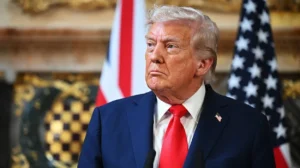
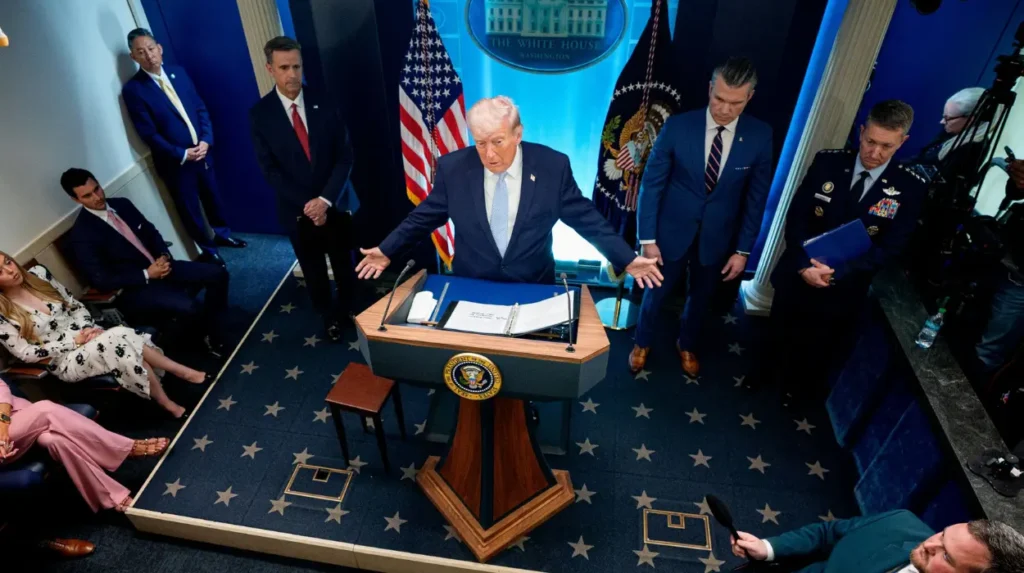
President Donald Trump referred to the result as a big step forward, marking the change in the previous rhetoric, which was based on confrontation. This development highlights the role of economic and strategic factors in making the decision to embark on dialogue.
Fragility of the Agreement
Although there was some optimism, the ceasefire is still tentative. Its short length and inability to enforce it subjects it to possible failures. Reports of violations and disagreements over implementation highlight persistent mistrust between the parties.
The talks were described as a positive development by António Guterres who urged restraint, as the wider worry was that unless the truce was maintained, it would not last long.
Trump’s Dual Track Strategy Balances Pressure and Diplomacy
The ceasefire calculus by Trump is characterized by the two-track strategy that integrates military dominance with diplomacy. This is aimed at translating military strengths into the negotiation strengths on the battlefield.
Military Pressure as Negotiation Leverage
Targeted strikes and sanctions were used by the administration to undermine the ability of Iran to operate and indicated determination. These steps replicated the strategy of maximum pressure that was re-introduced in 2025, as sanctions hit key sectors of the Iranian economy.
These were meant to bring about a negotiating situation. This show of ability and readiness to go to the extremes was aimed by Washington at coercing Tehran to think about compromises that would have not been possible if the pressure had not been so great.
Diplomatic Engagement and Incentives
Meanwhile, the administration used diplomatic approaches to offer an off-ramp to conflict. Vice President JD Vance was in a high-level delegation, the first such engagement in decades.
The fact that Trump is ready to call the proposals of Iran workable, shows a pragmatic change. Economic incentives, such as possible sanctions relief and investment opportunities are constituents of the overall approach to compromise.
Iran’s Economic Calculations Shape Its Negotiating Position
The strategy of Iran has its variant of calculation of strategy, conditioned by economic pressure and regional factors. The ceasefire calculus of Trump should thus consider the internal limits and priorities of Tehran.
Financial Pressures and Strategic Choices
The imposition of sanctions and disruptions that are related to conflicts have created a lot of stress on Iran’s economy. Maritime control presents possible sources of revenue, yet poses international challenge and danger.
The Iranian leadership has stressed on the necessity of fair deals that will not sacrifice national interests. Balanced negotiations have been urged by President Masoud Pezeshkian and Foreign Minister Abbas Araghchi has associated de-escalation with a mutual action.
Internal Political Dynamics
The situation of Iran is further exacerbated by domestic political divisions. Some such figures as Mohammad Bagher Ghalibaf have condemned some of the provisions of the ceasefire saying that some of the provisions do not touch on the security issues.
Such in-house discussions impact on the bargaining of flexibility where whatever is agreed to has to be packaged as a tactical victory as opposed to a compromise. The situation is reflective of the trends seen in 2025 where internal pressures curtailed the extent of previous diplomatic endeavors.
Regional and Global Implications Intensify Pressure for Agreement
The wider effect of the conflict is not limited to bilateral relationships, but the urgency of negotiations is formed. These broader considerations affect Trump in his calculus of ceasefire.
Energy Market Vulnerabilities
The Strait of Hormuz upheavals underscored the weakness of the energy systems in the world. Interim delays in shipping gave rise to apprehension regarding the long-term stability in supply, which led to demands to resolve the problem as fast as possible.
Secondary impacts were on the economies of the region, especially in the Gulf, with a decrease in tourism and a limitation of airspace operations. The developments highlighted the interrelatedness of contemporary conflicts.
Influence of Allies and Regional Actors
Allied perspectives also shape the negotiation environment. Israeli concerns about missile capabilities and regional security influence US positions, while Gulf states advocate for stability to protect economic interests.
These external pressures create additional layers of complexity, as negotiators must balance domestic priorities with international expectations.
2025 Precedents Inform Current Negotiation Trajectory
The path to the April 2026 talks is rooted in developments from the previous year.
Lessons from Indirect Negotiations
Throughout 2025, indirect talks facilitated by regional intermediaries produced limited progress. Disagreements over nuclear restrictions and sanctions relief prevented meaningful breakthroughs, reinforcing skepticism on both sides.
These experiences highlighted the limitations of indirect engagement, prompting a shift toward direct negotiations in Islamabad. The current framework reflects an attempt to address shortcomings identified in earlier efforts.
Escalation Patterns and Strategic Adjustments
The escalation cycle observed in 2025 demonstrated how unresolved issues can intensify over time. Proxy conflicts and economic pressures created a feedback loop that ultimately led to direct confrontation.
Recognizing these patterns, both sides appear more willing to explore structured agreements that include verification mechanisms and phased implementation.
Nuclear Deal Prospects Remain Uncertain Amid Strategic Tradeoffs
The possibility of a renewed nuclear agreement remains central to Trump’s ceasefire calculus. However, achieving such an outcome requires bridging significant gaps in expectations and priorities.
Pathways to Agreement
A phased approach could provide a viable path forward, beginning with ceasefire extensions and limited sanctions relief. Such incremental steps may build trust and create conditions for addressing more complex issues, including enrichment limits and inspection protocols.
This approach aligns with lessons from previous agreements, where gradual progress proved more sustainable than comprehensive but fragile deals.
Risks of Renewed Escalation
Failure to reach agreement could result in renewed conflict, particularly if ceasefire violations continue. The expiration of the current truce without replacement would likely trigger a return to military confrontation, with potentially higher costs.
The balance between urgency and caution defines the current moment. Negotiators must navigate competing pressures while seeking outcomes that can endure beyond immediate political cycles.
As discussions continue, Trump’s ceasefire calculus reflects a broader tension between short-term stabilization and long-term resolution. The interplay between economic realities, military considerations, and diplomatic engagement suggests that any breakthrough will require careful alignment of interests. Whether the costs of the 40-day war ultimately drive a sustainable agreement or merely delay further escalation remains an open question, shaped by decisions that extend far beyond the negotiating table.