The Iran talks problem is unfolding in an unusual diplomatic environment where public messaging from Washington and Tehran points in opposite directions. U.S. officials have suggested that negotiations are advancing and that progress toward an agreement is possible in the near term. Tehran, however, has repeatedly insisted that the framework being described publicly does not reflect the reality of its engagement with the United States.
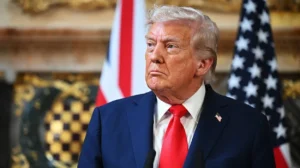
Trump’s comments about “great progress” are part of a broader effort to demonstrate momentum at a time when regional tensions remain elevated. By emphasizing progress, Washington is projecting confidence and attempting to shape expectations among allies and markets. Iranian leaders, in contrast, have stressed that any communication has occurred indirectly and that the proposals attributed to the United States do not yet form a workable basis for a settlement.
The contrast illustrates how diplomacy in this phase is influenced as much by perception as by substance. When both sides communicate different versions of the same process, negotiations become a contest over credibility as well as policy outcomes.
Pressure shaping the negotiation environment
Washington’s approach to the talks combines traditional diplomatic messaging with visible pressure tactics. The strategy reflects a belief that rapid movement is more likely if the cost of delay is clearly communicated.
Strategic warnings and leverage
Recent reporting indicates that Trump warned about the possibility of targeting major elements of Iran’s energy network if a deal is not reached within a limited timeframe. Among the facilities mentioned were electric power stations, oil wells and infrastructure connected to Kharg Island, a critical export hub. References to desalination plants have also appeared in discussions surrounding potential escalation.
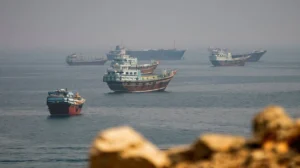
These signals are intended to highlight the economic stakes of the confrontation. By centering the discussion on energy systems that support both government revenue and daily life, Washington is attempting to reinforce the urgency of negotiations. The emphasis on reopening maritime traffic through the Strait of Hormuz adds another dimension, linking military pressure with the stability of global energy supply routes.
Deadlines and shifting timelines
One feature that has drawn attention is the evolving timeline associated with U.S. demands. Early warnings included a short window tied to restoring shipping access, followed by extensions and revised dates suggesting that negotiations still had room to continue. Such adjustments can be interpreted in different ways by policymakers and observers.
Flexible deadlines allow diplomatic channels to remain active even during periods of heightened rhetoric. At the same time, repeated changes can create uncertainty about the seriousness of specific warnings. Tehran may view the shifting timeline as a sign that Washington is balancing pressure with caution, aiming to influence behavior without immediately escalating into direct confrontation.
Tehran’s cautious response
Iran’s leadership has approached the situation with a mix of public skepticism and strategic messaging. The reaction reflects long-standing concerns about the reliability of negotiations conducted under visible pressure.
Disputing the narrative of progress
Iranian officials have stated that the description of negotiations offered by Washington does not match the current reality. They emphasize that communication has occurred primarily through intermediaries rather than through direct diplomatic engagement. This distinction allows Tehran to maintain a degree of distance from the process while still keeping channels open.
The position also serves a domestic purpose. By denying the existence of direct talks, Iranian leaders signal that they are not entering negotiations on terms defined by U.S. pressure. Maintaining that stance helps preserve political credibility at home, especially during a period when regional security issues remain highly sensitive.
Strategic reasons for skepticism
Iran’s hesitation is rooted in more than messaging differences. Officials in Tehran have pointed to several factors shaping their outlook. One concern is the combination of diplomatic language with explicit threats against infrastructure that supports civilian needs. Another is the broader regional context, where military activity continues even as negotiations are discussed.
In this environment, Iranian policymakers are wary of accepting claims of progress without clear evidence that pressure will ease if talks advance. The concern is that concessions could trigger additional demands rather than mutual compromise. That perception contributes to the persistent trust gap that defines the Iran talks problem.
Mediation efforts across the region
As tensions continue, several regional actors have attempted to maintain diplomatic engagement between the two sides. Their involvement reflects both geopolitical interests and concerns about economic stability.
Pakistan’s emerging diplomatic role
Pakistan has positioned itself as a possible intermediary capable of hosting discussions and coordinating with other regional governments. Islamabad’s outreach to different stakeholders indicates an effort to keep communication channels functioning despite disagreements over the nature of the talks.
However, Tehran has suggested that meetings associated with these initiatives should not be interpreted as direct negotiations with Washington. This response demonstrates the limits of mediation in situations where the core participants disagree on how the process should be defined. Mediators can transmit proposals and clarify positions, but they cannot compel either side to accept a shared framework.
Regional stakes and economic concerns
Countries across the Middle East and South Asia have strong incentives to prevent escalation. The Strait of Hormuz remains a crucial pathway for energy shipments, and any disruption there can influence oil prices, trade flows and investment patterns. For Gulf states and neighboring economies, maintaining stability in maritime routes is directly connected to economic security.
As a result, regional diplomacy has focused on preventing the confrontation from widening. Engagement by multiple governments reflects recognition that the consequences of escalation would extend well beyond the immediate participants. Yet the ability of these states to shape the final outcome remains limited because the core dispute still revolves around U.S. and Iranian strategic priorities.
The influence of 2025 developments
Events during 2025 continue to shape the context in which the current negotiations are unfolding. That period saw an increase in military exchanges and regional tension that altered expectations about how diplomacy operates in the Middle East.
A more militarized diplomatic landscape
The previous year demonstrated that diplomatic outreach and military activity can occur simultaneously rather than sequentially. Airstrikes, maritime disruptions and proxy engagements took place alongside attempts to reopen negotiation channels. That experience has left policymakers on all sides more cautious about interpreting signals of progress.
The emphasis on energy infrastructure and shipping routes reflects lessons drawn from those developments. During 2025, disruptions to supply chains and oil exports had immediate global consequences. By 2026, these pressure points have become central to strategic planning, influencing both rhetoric and negotiation tactics.
The present phase therefore illustrates a negotiation environment shaped by accumulated tension and competing narratives. Washington’s emphasis on progress seeks to show that pressure is producing results, while Tehran’s resistance underscores its concern about negotiating under threat. Whether these dynamics evolve into a more stable diplomatic process will depend on how both sides balance the pursuit of leverage with the need to rebuild enough confidence for talks to move beyond messaging and into substantive agreement.