The concept of the Board of Peace emerged in 2025 as a new institutional experiment within US foreign policy, designed to centralize conflict-resolution efforts across major global flashpoints. Officials described it as a coordinating mechanism linking diplomatic initiatives, economic pressure, and military signaling into a single framework. The goal was to prevent fragmented policymaking and to ensure that negotiations, sanctions, and battlefield decisions worked toward a unified end state.
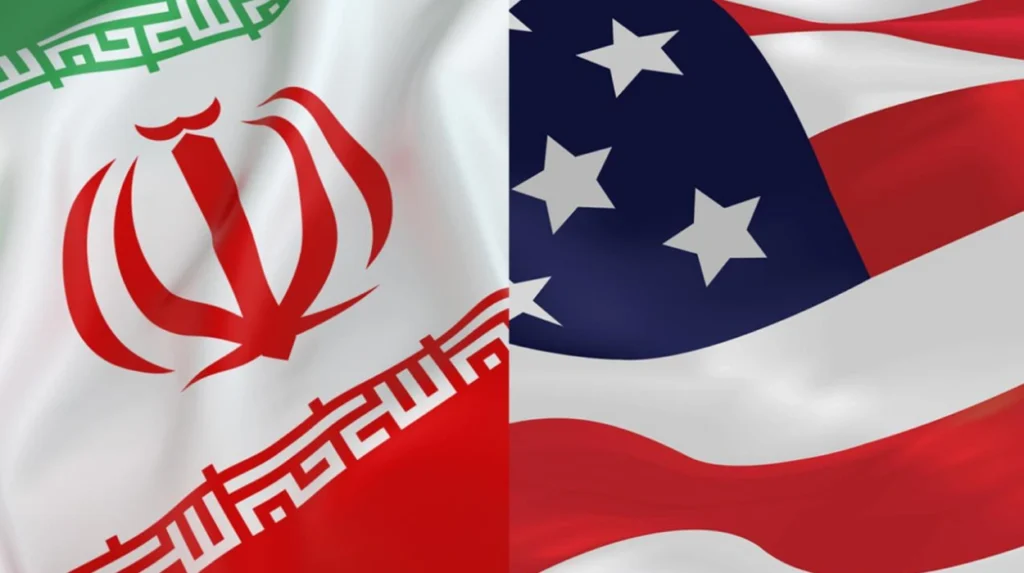
By early 2026, the Board of Peace became closely associated with the evolving confrontation between the United States and Iran. Washington presented the board as evidence of a structured pathway toward de-escalation even while military operations continued. Analysts quickly noted the tension within that approach, observing that the institution was expected to manage both coercion and diplomacy simultaneously. This dual function placed the Board of Peace at the center of debates over whether it represented genuine peacemaking or a strategic instrument designed to reinforce U.S. leverage.
Origins within U.S. strategic planning
The board’s formation reflected lessons drawn from earlier diplomatic initiatives that struggled with overlapping mandates among defense, intelligence, and diplomatic agencies. Senior officials argued that a centralized structure would improve coherence and speed decision-making during complex conflicts. In internal discussions during 2025, policymakers emphasized that the United States needed a mechanism capable of linking military pressure with negotiation channels in real time.
Institutional expectations and early skepticism
From the outset, the Board of Peace faced skepticism from some foreign policy specialists. Critics argued that the effectiveness of any peace structure depends on its perceived neutrality and autonomy. When an institution operates within a wartime command environment, its credibility as a mediator can be difficult to establish, particularly for adversaries already distrustful of American intentions.
American power and the structure of the 15-point framework
The most visible output of the Board of Peace in relation to Iran has been a proposed 15-point framework outlining conditions for ending hostilities. The plan includes provisions for ceasefire arrangements, phased sanctions relief, restrictions on ballistic missile development, and limits on regional proxy activities. U.S. officials describe the framework as a balanced structure that combines pressure with incentives intended to guide negotiations toward stability.
However, analysts evaluating the proposal argue that its sequencing reveals the strategic logic underpinning the board’s work. Several points emphasize Iranian concessions before the delivery of substantial economic or political benefits. As a result, the framework has been interpreted by some observers as reflecting the broader asymmetry between American leverage and Iranian negotiating space.
Leveraging sanctions and military posture
American power in the region remains anchored in a combination of financial sanctions, naval presence, and regional alliances. These tools provide Washington with the capacity to sustain long-term pressure while still offering diplomatic off-ramps. Officials involved in the process stated during policy briefings in 2025 that the framework was intended to demonstrate seriousness about peace while maintaining credible deterrence.
Debates over reciprocity and sequencing
Policy analysts have questioned whether the sequencing of concessions within the framework allows room for reciprocal trust-building. Some European observers privately described the plan as ambitious but difficult to implement without gradual confidence-building measures. Their concern reflects a broader issue: negotiations structured primarily around leverage may struggle to generate early momentum.
Iranian resistance and negotiating conditions
Iran’s response to the Board of Peace initiative has been shaped by its own strategic calculations and political narrative. Iranian officials have rejected the proposed framework as excessively demanding and have insisted that negotiations must begin with a halt to military operations and significant sanctions relief. From Tehran’s perspective, discussions conducted under ongoing pressure risk legitimizing a coercive diplomatic environment.
Statements from Iranian leadership and affiliated media outlets portray the board as an extension of American strategic pressure rather than an impartial negotiation platform. This framing has reinforced domestic support for resistance, allowing the government to argue that enduring external pressure is preferable to accepting terms perceived as undermining sovereignty.
Domestic political signaling in Tehran
Resistance to the Board of Peace framework also carries domestic implications. Iranian policymakers must balance diplomatic flexibility with internal political legitimacy. Accepting negotiations under visible external pressure could be interpreted as weakness by factions within the country’s political system, making cautious positioning a strategic necessity.
Strategic endurance as a negotiating tool
Iran’s broader strategy appears rooted in endurance rather than rapid settlement. Officials have suggested that prolonged resilience, combined with calibrated responses, could shift international opinion and create pressure on Washington to modify its demands. This approach underscores how resistance itself functions as a form of leverage in asymmetric conflicts.
International reactions and the wider diplomatic landscape
The emergence of the Board of Peace has generated varied reactions among global powers and regional stakeholders. Several countries have publicly welcomed the idea of structured dialogue, while quietly expressing concerns about the ongoing use of force. International responses reflect broader geopolitical calculations as states assess how the initiative fits within existing diplomatic alignments.
In 2025, diplomatic discussions at international forums highlighted the importance of combining de-escalation efforts with adherence to international legal standards. European governments, in particular, emphasized that any durable settlement must involve credible mechanisms for monitoring compliance and reducing civilian harm. These concerns illustrate how international legitimacy remains central to the success of peace initiatives.
European perspectives on legal and diplomatic credibility
Officials in European capitals have supported negotiations but warned that sustained military operations could complicate diplomatic progress. Their statements emphasize the need for a clear distinction between pressure tactics and peace processes. Without that distinction, confidence in the negotiation framework may weaken among both allies and adversaries.
Global competition shaping diplomatic messaging
Other major powers have used the situation to reinforce their own diplomatic narratives. Calls for dialogue and restraint from multiple governments illustrate how the conflict has become part of broader geopolitical positioning. For some states, supporting negotiation initiatives provides an opportunity to present themselves as advocates of stability while observing shifts in regional influence.
Institutional and political constraints inside Washington
The Board of Peace operates within a complex domestic political environment where strategic decisions are subject to scrutiny from lawmakers, defense officials, and policy analysts. Debates in Washington throughout 2025 reflected differing views on whether the board strengthens diplomacy or merely formalizes wartime decision-making under a new label.
Some legislators questioned the legal basis for ongoing operations while also examining how the board interacts with existing congressional oversight mechanisms. Analysts noted that when the same leadership directing military operations also guides the peace framework, the institutional boundaries between negotiation and coercion can become difficult to define.
Congressional debates over authority and oversight
Discussions on Capitol Hill highlighted concerns about executive authority and transparency in wartime policymaking. Lawmakers emphasized that peace initiatives must be supported by clear legal foundations to maintain domestic and international legitimacy. These debates illustrate the institutional limits within which the Board of Peace must operate.
Policy cohesion versus political pressure
Domestic political divisions also shape how the board functions. Some factions advocate stronger military leverage to force concessions, while others warn about the long-term costs of sustained conflict. Balancing these pressures requires policymakers to navigate between strategic objectives and political realities.
The evolving boundaries between coercion and diplomacy
The experience of the Board of Peace has prompted wider reflection on the nature of modern conflict resolution. Peace frameworks increasingly operate in environments where negotiations unfold alongside ongoing military and economic pressure. This hybrid approach blurs the traditional boundaries between diplomacy and coercion, making the success of such initiatives dependent on perceptions as much as on outcomes.
Observers examining the US–Iran dynamic suggest that the effectiveness of the Board of Peace will ultimately depend on whether it can move beyond a structure primarily associated with leverage. If both sides remain committed to strategies defined by endurance and pressure, the institution may serve more as a mechanism for managing escalation than for achieving a comprehensive settlement. That possibility leaves policymakers and analysts watching closely to see whether the evolving balance between American power and Iranian resistance reshapes the role of the board in ways not yet fully anticipated.