The New York Center for Foreign Policy Affairs (NYCFPA) calls on the United States government to take stronger and more decisive action to protect its allies in the Gulf region as they continue to face relentless attacks from Iran and Iran-backed forces.
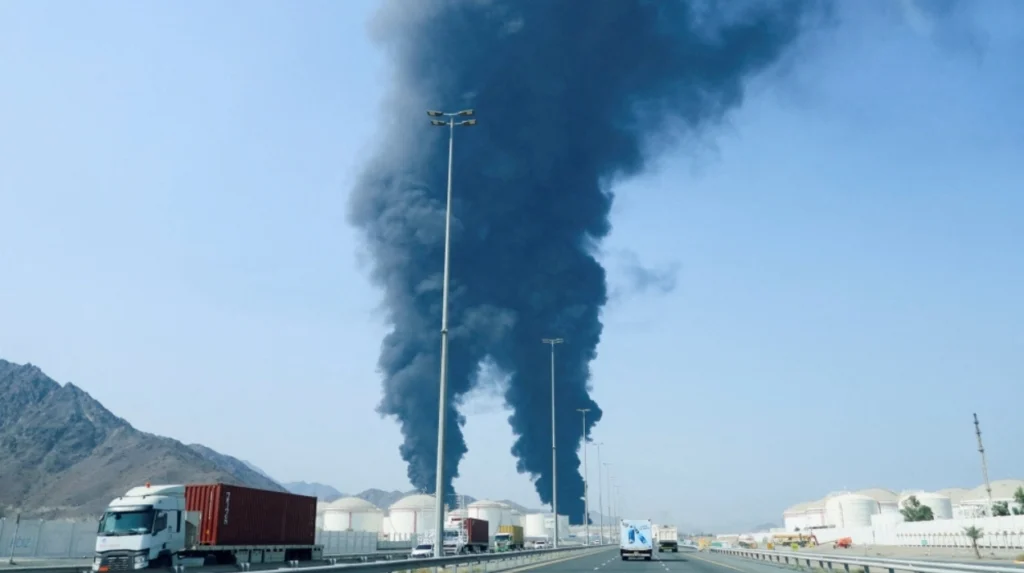
In recent months, Gulf partners—including Qatar, Saudi Arabia, and the United Arab Emirates—have faced repeated missile and drone attacks targeting civilian infrastructure, energy facilities, and critical national assets. These sustained attacks represent a significant threat not only to regional stability but also to the broader international economic system that depends on secure energy flows from the Gulf.
The NYCFPA notes with concern that the current U.S. defense posture in the Gulf has proven increasingly fragile in the face of these sustained threats. Despite longstanding security partnerships and significant U.S. military presence in the region, recent events have demonstrated vulnerabilities in the existing deterrence framework and have raised serious questions about the ability of current strategies to ensure the long-term security of America’s regional partners.
“The ongoing attacks against Gulf states highlight a troubling reality: the current security architecture in the region is under significant strain,” the statement reads. “The United States must reaffirm its commitment to the defense of its allies and restore credible deterrence against further aggression.”
The Center warns that continued instability in the Gulf threatens global energy markets, international shipping routes, and the broader global economy. Gulf states remain among the world’s most critical suppliers of energy, and disruptions to their security could have far-reaching consequences for markets in Europe, Asia, and North America.
NYCFPA therefore urges the United States to strengthen regional defense cooperation, enhance missile and drone defense systems, and coordinate more closely with Gulf partners to counter ongoing threats.
The Center also calls on Donald Trump and other national leaders to prioritize the security of U.S. allies in the Gulf and ensure that American foreign policy remains firmly committed to protecting strategic partners and maintaining stability in one of the world’s most critical geopolitical regions.
“A failure to respond decisively to these ongoing attacks risks emboldening further aggression and weakening the credibility of U.S. security commitments worldwide,” the Center stated.
The NYCFPA reiterates that safeguarding Gulf security is not only a regional necessity but also a strategic imperative for the United States and the international community.