United States President Donald Trump stated that there were “very good talks” between the US and Iran, as they held talks through Oman, marking the first such meeting between the nations after last summer’s US-Israeli attacks on Iranian targets. Sources close to the talks stated that there had been a mutual decision to hold further talks between Washington and Tehran, as both nations consulted their governments.
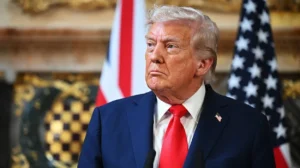
“Iran looks like it wants to make a deal very badly. We have to see what that deal is,”
Trump said aboard Air Force One, suggesting cautious optimism while maintaining skepticism over Tehran’s intentions.
First Diplomatic Engagement Since the Iran–Israel Conflict
Oman talks signify a new round of dialogue since the conflict between Iran and Israel lasted for 12 days in June, with Israel and the US striking Iranian nuclear and military sites. Previous talks failed due to strikes on Iranian facilities, which meant a freeze on diplomacy. Therefore, Oman talks signify a possible shift towards de-escalation, even though trust issues are deeply rooted.
Military Pressure and Diplomatic Contradictions
The negotiations unfolded against the backdrop of a significant US military buildup in the Middle East, with Washington signaling readiness for military action.
Earlier, Trump issued a warning to Iran, stating that the United States will act if Iran engages in lethal action against demonstrators or fails to sign a nuclear agreement. Trump’s positive talk on diplomacy notwithstanding, he has already asserted that a “big fleet” and an “armada” of US military assets are headed towards Iran. It is a part of Washington’s overall Iran strategy.
Key Participants and Mediation Format
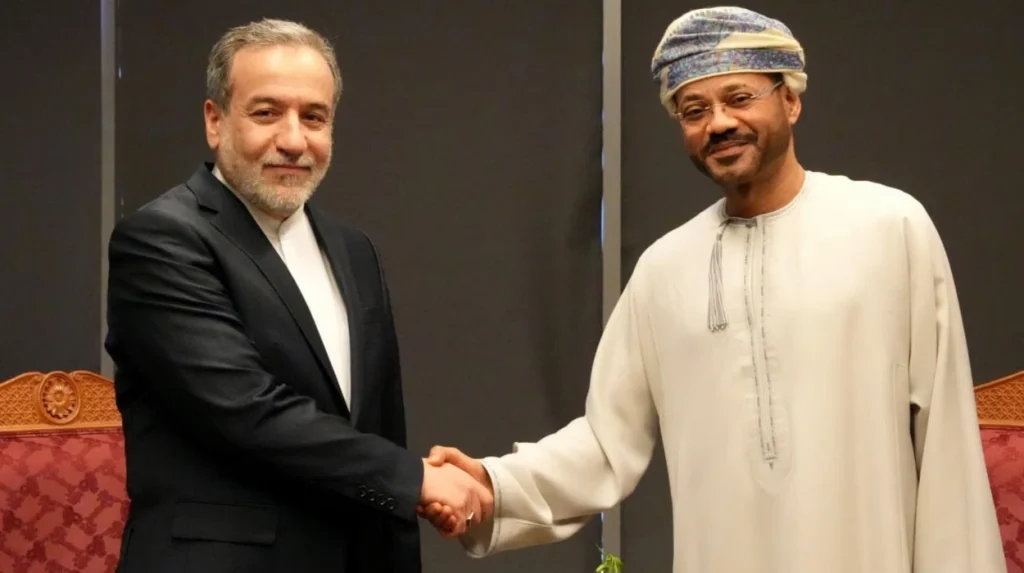
The negotiations have seen Iranian Foreign Minister Abbas Araghchi hold talks with the US, represented by Steve Witkoff, with Jared Kushner being a part of this team as well. These talks have been mediated by Oman’s foreign minister, Badr Albusaidi, who has met with each of the negotiating parties separately.
Images of the meetings made public by Oman’s state media featured CENTCOM Commander Admiral Brad Cooper in attendance at the meetings—a clear indication of the security aspect of the talks. The format of the negotiations follows similar meetings facilitated by Oman previously, in which Omani officials acted as go-betweens instead of direct US-Iran engagement.
Diverging Agendas and Negotiation Scope
Iran presented a “preliminary plan” to manage tensions with the United States, which Oman conveyed to the American delegation. However, the scope of the discussions remains contested.
Iran insists talks should be limited to the nuclear program, while the United States seeks broader negotiations covering:
- Iran’s ballistic missile program
- Tehran’s network of regional proxies
- Domestic human rights and protest crackdowns
This fundamental disagreement over the agenda could complicate future negotiations.
The Nuclear Dispute and Sanctions Leverage
One key point of contention that still exists is uranium enrichment, as Iran claims it to be their right as a nation. Meanwhile, the United States and their coalition do not support Iran having enrichment capabilities that may allow them to build nuclear weapons.
Not only has Iran offered to provide greater monitoring and safeguards, but also the United States has continued to apply pressure. After these talks, the US introduced fresh sanctions on Iranian oil shipments and 14 vessels. This shows that US domestic coercion will continue along with negotiations. US officials from the State Department accused Iran of preferring international destabilization over domestic well-being and infrastructure.
What’s at Stake: War or Diplomacy
The talks have sparked hopes for the avoidance of direct military conflict, although tensions are high and need to be calmed. Trump repeated his claims that a large naval group from the US is on its way to the region to reinforce the message of deterrence. The nations in the region have been calling for de-escalation amid fears of a new conflict destabilizing the Middle East and world energy supplies.
Iran’s Military Capabilities and Retaliation Options
Iran threatens to retaliate with force in the event the U.S. carries out an attack, thereby withdrawing its past restraint. Iran currently owns thousands of missiles and drones, enabling it to target the U.S. bases as well as its regional allies. Last summer, Iran conducted a missile strike against the U.S. base in Qatar, known as Udeid Air Base.
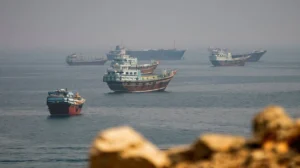
Iran could activate its network of regional proxies to strike at Israel, U.S. bases, and Gulf infrastructure, or disrupt shipping through the Strait of Hormuz, through which more than 20 percent of global oil and significant LNG shipments pass. Such disruption could send global economic shockwaves.
Uncertain Path Forward
While the Oman talks represent a tentative diplomatic opening, deep mistrust, conflicting objectives, and ongoing military posturing threaten to derail progress. The next round of negotiations will determine whether Washington and Tehran move toward a new nuclear framework—or slide back toward confrontation.