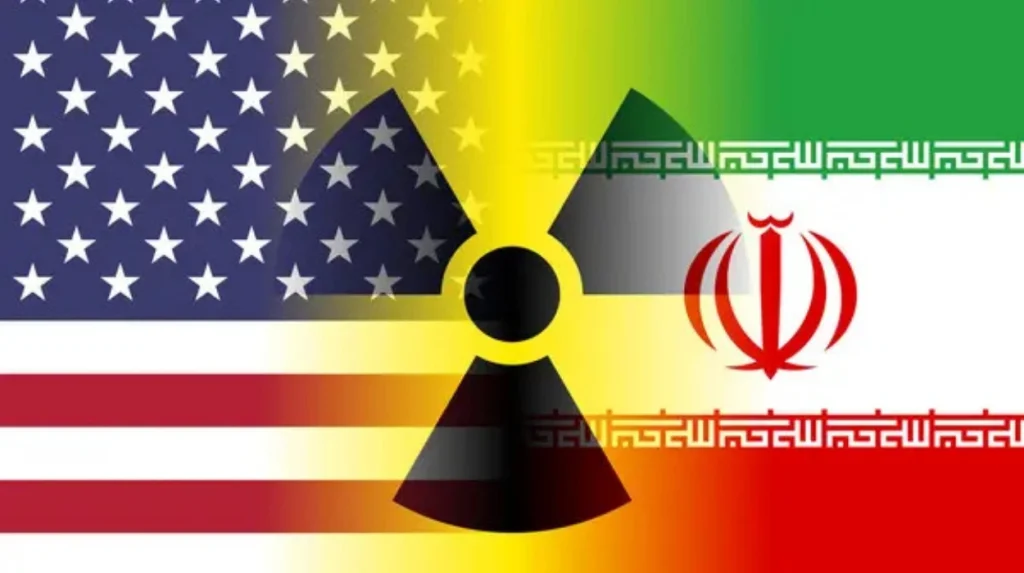
The U.S. sanctions regime reinforced once again in 2025 has become a key factor of the bargaining stance of Iran as nuclear talks keep pivoting between risky engagement and a stalemate. The present pressure approach of Washington is aimed at the energy exports of Iran, its channels of banking, networks of shipping routes, and the related intermediaries, which establishes a stratum of deterrents on the financial stability of Tehran.
The imposition of sanctions in February and updated in June 2025 indicates the determination by Washington that Tehran needs to fulfill its rigorous transparency and enrichment conditions before any of the sanctions are lifted. The American argument which has been restated by the senior administration officials all through the summer holds that Iran should prove its measurable compliance with the International Atomic Energy Agency (IAEA) monitoring standards. This strategy suggests the purposeful use of economic advantage and diplomatic openings, as well as maintaining sanctions as a bargaining instrument and as a put-off measure.
The Iranian authorities have termed the sanctions several times as coercive and counterproductive. Their communication in the period of 2025 reflects the issues that sanctions prevent healthy discussion and discourage the trust that people have in the compromise through diplomatic means. These strains determine the outlines of all indirect negotiation rounds, strengthening the gridlocked nature that has characterized the nuclear file since the erosion of the JCPOA.
Economic Strain and Shifting Internal Dynamics in Tehran
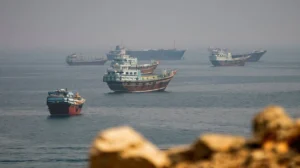
The energy sector of Iran is harmed by the cumulative effect of the sanctions. The oil volumes of the export that temporarily recovered in late 2024 plummeted drastically by the second quarter of 2025 when the U.S. increased maritime surveillance and took advantage of the collaboration of Asian refiners. Less oil revenue leads to less foreign currency reserves of Tehran, which limits budget priorities and the ability to create a more stable economy.
The shrinking of the economy fuels the Iranian debate on politics. Extremist groups use national resilience discourses, which suggest that a compromise in a time of need will lead to strategic weaknesses. On the other hand, moderate policy makers believe that restrained compromise would bring about some partial economic relief, which would allow domestic recovery and soften the developing social unrest. This rift determines the domestic attitude of Iran towards nuclear involvement that drives the policymakers to believe either in ideology or practicality.
Challenges in Sanctions Evasion Networks
The old tricks used by Iran to evade sanctions over the years, ship-to-ship, mediated financial and veil barter arrangements, become more and more exposed by the improved multinational tracking systems. The enlarged compliance scheme of the European Union and the enhanced regulatory co-ordination among the Asian financial centres make it difficult for Iran to evade the restrictions.
Domestic Reactions to Economic Conditions
Due to the increasing inflation and employment pressures, the political climate is still affected by people getting frustrated. The financial crisis limits the diplomatic maneuverability of Tehran, whereby the rulers have to strike a balance between the necessity to negotiate and the danger of being viewed as a complacent entity to foreign influence. Such tensions can be seen as the reason why nuclear exchanges can be rather cautious and stalled during 2025.
Regional Stability and the Geopolitical Impact of Sanctions
The wider Middle East has not been left behind in the stalled negotiations and increased sanctions by the U.S. Gulf Cooperation council affairs are becoming more and more convinced that the nuclear actions of Iran and the influence of its proxies in the area constitute threats to security. This view has promoted stronger defense co-ordination with Washington, reflecting through more joint exercises and new arms deals at the beginning of 2025.
The heightened alert position of Israel continues to be that the longer it is not in a state of diplomatic tranquility, the higher the chances of making a miscalculation. Israeli leaders have consistently expressed concern that the incremental enrichment initiatives by Iran caused the urgency of preventive efforts to increase, and the debate about regional security shape is based on deterrence and not dialogue.
Proxy Dynamics and Escalation Risks
The relations of Iran with non-state actors in Lebanon, Syria, Iraq, and Yemen are one of the factors of instability in the region. Sanctions increase Tehran dependence on asymmetric sources of influence as a strategy to ensure strategic depth. These processes help to raise the level of tension in several theaters, in which local confrontations are becoming more and more influenced by the overall stagnation of diplomatic relations.
Constraints on Regional Diplomacy
Efforts to de-escalate in the region especially via gulf engagement mechanisms have slowed down significantly. The isolation of Iran due to sanctioning curtails the prospects of face-to-face discussion of the region. The absence of any meaningful cross-border political communication gives a gap where unresolved conflicts may escalate especially in the area of maritime security and along the borders.
The Evolving U.S. Strategy and International Alignment
The dual track strategy by Washington in 2025 will be in the pressure of sanctions and an indication of willingness to engage under conditions. The U.S. authorities underline that only in the long run, when Iran is curtailed in its enrichment activities up to 60 percent of enrichment and is willing to enable complete access to the IAEA, this problem can be solved. These conditions are in line with a wider strategic agenda that aims at having a more sustainable, enforceable framework compared to the initial JCPOA.
The domestic factors that the U.S. strategy should consider include fluctuation in the energy market and political partisanship on Middle East policy. Such domestic pressures drive the rate and the stability of the sanctions roll out and the result is policy recalibrations at regular intervals in 2025.
Transatlantic Policy Coordination
Even European allies, who are determined to stop the rise of nuclear affairs, are still promoting increased flexibility in diplomatic sequencing. Their economic and energy concerns are not the same as those of Washington, and their disagreements by nuances occur regarding the time of the adjustment of sanctions. Nevertheless, the common goal of nuclear proliferation prevention maintains an orchestrated, yet at times rather tense, transatlantic drive.
Iran’s Eastward Strategic Pivot
The relations that Iran has with Russia and China become more and more significant in countering sanctions. Iran has received important economic and political lifelines through the expanded energy agreements with China, and defense cooperation with Russia. These relationships, though, are accompanied by strategic conditions, which increase the geopolitical stakes of U.S.-Iran conflicts. They also make the negotiations dynamics harder by changing the cost benefit analysis of Iran when it comes to western engagement.
Regional and Global Stakes in the Nuclear Negotiation Trajectory
In the year 2025, the interaction between the U.S. sanctions, Iranian economic pressures as well as the regional security anxieties have remained to characterize the nuclear environment. The effects of the sanctions are much deeper than the economic ones, they affect the domestic political alignments in Iran, altering the regional security approaches, and modeling the international diplomatic avenues.
The further stage of diplomatic work will show whether the nuclear file will be able to be shifted towards stabilization or the further impacting with the economic pressure will fix the positions even deeper. The balance between coercion by leverage and diplomatic enticement is a fragile one. With regional actors re-evaluating their security interests and global superpowers working with the changing relationships on their side, the future of U.S. sanctions Iran 2025 can shape the Middle East strategic balance in the years to come.
It is yet to be determined how incremental diplomatic benefits can overcome the long-standing mistrust or whether the continued stalemate will become the source of a major rift dividing the region that would define the security structure of the Middle East after 2025.