August 12, 2025
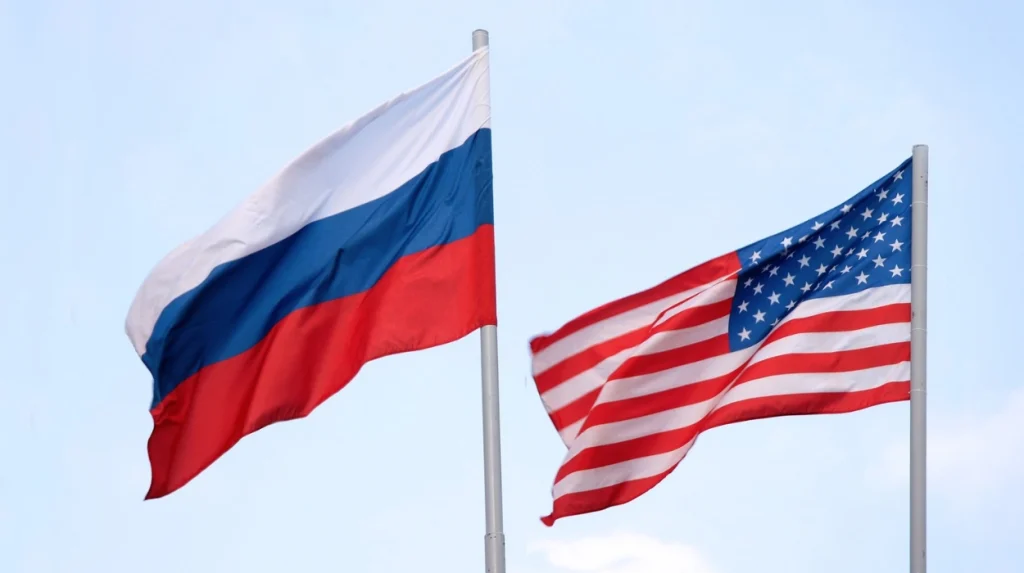
American policy toward Russia in 2025 centers on a complex balance of sanctions, diplomacy, and deterrence shaped by the ongoing Russian invasion of Ukraine and persistent geopolitical rivalry. The issue remains critical due to Russia’s aggressive military actions, nuclear posturing, and the broader challenge posed to the U.S.-led international order. Policymakers face the dual challenge of maintaining firm economic pressure while pursuing limited diplomatic engagement to reduce the risk of military escalation.
Sanctions Regime and Economic Pressure
The Sanctioning Russia Act of 2025 (S.1241) proposes extensive sanctions, including a 500% tariff on imports from nations purchasing Russian energy exports such as oil, natural gas, and uranium. This reflects bipartisan congressional support for economic measures intended to weaken Russia financially. The bill, introduced by Senator Lindsey Graham, targets not only Russia but also major energy consumers like China and India.
Since Russia’s February 2022 invasion of Ukraine, the U.S. has employed layered sanctions targeting Russian sovereign debt, financial transactions, and trade, significantly restricting Russian economic activities globally.
President Donald Trump, in his second term, has aggressively added secondary sanctions against countries continuing to trade with Russia, signaling more punitive tariffs especially against nations like India and potentially China.
Diplomatic Engagements and Summits
On February 18, 2025, an American delegation led by Secretary of State Marco Rubio met Russian Foreign Minister Sergey Lavrov in Riyadh, Saudi Arabia. This summit was the highest-level U.S.-Russia diplomatic meeting since the full-scale invasion of Ukraine.
Despite these talks, tensions remain high, and the U.S. canceled a subsequent scheduled round of diplomatic conversations with Russia in June 2025, reflecting the fragility of bilateral relations.
A landmark upcoming summit between President Joe Biden (or his successor) and President Vladimir Putin is scheduled for August 15, 2025, in Alaska, indicating continued attempts to manage strategic competition.
Security and Deterrence Measures
- The U.S. continues to invest in deterrence posture in Europe, reinforcing NATO’s eastern flank to prevent further Russian expansion westward. This includes enhancing military infrastructure from the Barents Sea to the Black Sea.
- Russia has adopted a more proactive nuclear strategy, seeking to reaffirm its status in a multipolar world through nuclear deterrence escalation, challenging traditional NATO defense doctrines.
- U.S. defense policy emphasizes nuclear deterrence, modernizing its arsenal while maintaining NATO’s collective defense principle under Article 5, which Moscow seeks to undermine.
Background and Political Context of U.S.-Russia Policy
Post-Cold War relations between the United States and Russia have oscillated between cooperation and confrontation. The annexation of Crimea in 2014 and Russia’s military interventions in Ukraine triggered the first waves of sanctions and geopolitical tension. The February 2022 invasion marked a decisive turning point, leading to the most severe sanctions and near-total diplomatic freezes since the Cold War.
The Trump administration’s approach introduced a blend of transactional diplomacy and harsh sanctions threats aimed at leveraging Russia into peace talks, although his leniency toward Moscow drew domestic criticism.
The Biden administration initially maintained a strong sanctions regime and military support for Ukraine but has struggled to sustain Western unity, especially with countries like China, India, and Brazil resisting full compliance with sanctions.
Main Actors and Stakeholders in the U.S.-Russia Policy Arena
U.S. Government: Led by President Joe Biden (2025) and Secretary of State Marco Rubio, focusing on sanctions enforcement, NATO alliance strengthening, and calibrated diplomacy.
U.S. Congress: Bipartisan support for legislative sanctions measures like the Sanctioning Russia Act, spearheaded by Republican Lindsey Graham and Democrat co-sponsors.
Russian Leadership: President Vladimir Putin pursues military objectives in Ukraine, bolsters nuclear deterrence, and seeks to fracture NATO cohesion.
NATO and European Allies: Key partners in defense and sanctions, committed to collective security despite some disagreements on sanctions enforcement.
Third-Party States: China, India, Brazil, and others significantly influence sanctions effectiveness due to their energy imports from Russia and strategic alignments.
Current Developments Shaping American Policy
Recent policy shifts include the introduction and near passage of the ambitious Sanctioning Russia Act, calling for sweeping tariffs and trade restrictions, including on third-party countries involved in Russian energy markets.
Diplomatic relations are tentative, with summit talks proceeding but frequent setbacks, including U.S. cancellations of further talks in June 2025 after modest progress earlier in the year.
On the security front, the U.S. continues to modernize NATO forces and reinforce deterrence measures, especially nuclear capabilities, as Russia intensifies its nuclear rhetoric and missile deployments.
President Trump’s renewed involvement in diplomatic efforts reflects a transactional approach prioritizing U.S. interests and strategic competition with China, while still seeking to leverage Russia in a global power balance.
Challenges and Political Risks in Policy Execution
- Sanctions Fatigue and Evasion: Sanctions have imposed heavy costs on Russia but also led to growing evasion networks and backlash from non-Western countries reluctant to comply fully.
- Diplomatic Fragility: The stoppage of talks and uneven diplomatic engagement increase risks of miscalculations, especially amid ongoing conflict in Ukraine.
- Nuclear Escalation: Heightened Russian nuclear deterrence posture raises concerns of an arms race or accidental conflict.
- Alliance Cohesion: Disparate interests among NATO and global partners risk weakening unified responses to Russian aggression.
- Economic Impact on Global Markets: Secondary sanctions affecting major economies (China, India) could disrupt global energy markets and trade relations.
Implications for Domestic Politics and International Alliances
American policy toward Russia critically influences domestic political debates around national security, economic sanctions, and foreign policy strategy. Bipartisan consensus supports strong sanctions, although tactical disagreements about diplomacy and military aid to Ukraine persist.
Internationally, the policy shapes U.S. relationships with NATO allies, compelling a “NATO-first” modernization approach to collective defense. It also presses the U.S. to navigate complex ties with China and other emerging powers within a multipolar geopolitical environment.
Public opinion is divided; many voters support robust actions to oppose Russian aggression, while others express concerns about economic fallout and the risk of escalation toward nuclear conflict.
In policymaking, the evolving U.S.-Russia dynamics demand balancing deterrence with diplomatic engagement to prevent broader war, sustain alliances, and manage competition with China and other global actors.