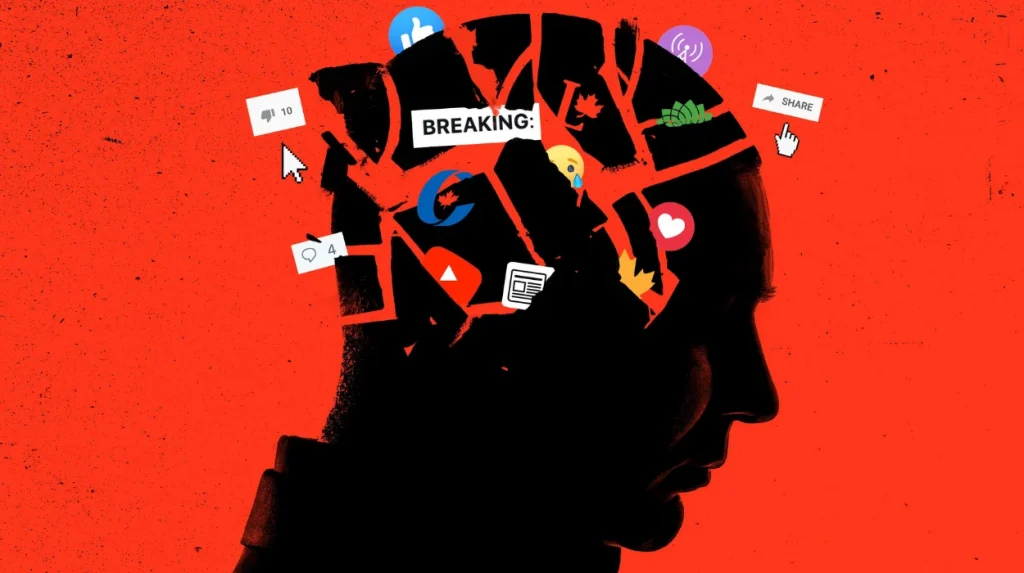
The problem of misinformation and disinformation can be considered a growing threat to global policy frameworks in 2025 both forces, which are similar to one another, distort the facts, shape perceptions, and undermine trust in institutions. Unlike misinformation, disinformation is organized to deceive or influence the state of knowledge among the population about such serious matters like climate change, migration, cybersecurity, and health.
According to the reports by the United Nations Educational, Scientific and Cultural Organization (UNESCO), the proliferation of non-true narratives via the means of artificial intelligence tools and social media automated bots has multiplied by a threefold since 2022. Disinformation campaigns are now more specific, advanced and emotionally exploitative, and take advantage of polarization in societies and eroding international collaboration.
The effects go way beyond the online platforms. The international policymakers who are trying to negotiate their policies are being compelled more and more to contend with falsehoods that are made to disrupt consensus. Truth itself is disputed in this kind of an environment, and it makes evidence-based governance and diplomacy more difficult to accomplish.
How False Narratives Distort International Decision-Making?
Disinformation distorts international policy formulation by altering the basis upon which the discourse is conducted. False information or statistics tampering when used in the official portrayal may sabotage the diplomatic processes, slow down the process of urgently providing services, and increase the level of suspicion between states.
Impact on Global Negotiations
False narratives can ruin alliances in the event of a multilateral negotiation, or they can distort the motives of the negotiating sides. In early 2025, the European Union digital governance summit experienced internal divisions due to fake documents purporting that member states manipulate the data being circulated on the internet. The episode postponed agreement although disproved and demonstrated the ease with which disinformation can enter even places so controlled.
Pressure on Domestic Policy Agendas
Voters are also easily pressured by misleading information to put pressure on the governments to make certain decisions internally. In the event that national stories are being distorted by fake information, leaders can make populist or reactionary decisions in conflict with evidence-based international treaties. Analysts at Global Policy Information Centre observe that such disinformation on migration, such as that some migrants are criminals, has resulted in tight border policies, which are not supported by empirical evidence, weakening international refugee co-operation frameworks.
Economic and Strategic Fallout
Trade relations and economic planning also are interfered with by disinformation. False news concerning energy dependence or global sanctions has the potential to cause instability in markets and result in retaliation amongst states. Similar to the case of 2025 U.S-Asia trade talks, online manipulation of trade information raised the diplomatic tensions temporarily before verification processes brought sanity.
Strategies for Identifying and Countering Disinformation
There have been increased efforts by governments, technology companies and civil society organizations to identify and counter fake narratives before they take off.
Technological Advancements in Detection
The artificial intelligence-based systems have become a central mapping tool on the disinformation networks. Some websites such as Global Disinformation Monitoring Network use multilingual AI models to identify orchestrated bot actions and source discrepancies in real time. These systems read through metadata, frequency of posts and convergence of the narrative to find initial signs that there is some manipulation.
Importance of Human Oversight
Although such technological advances have been made, professionals emphasize the importance of human control. Patterns can be detected by algorithms but evaluation of intent and context needs journalistic skills and moral judgment. Consequently, AI developers have increased their collaboration with investigative journalism, which has improved detection and verification systems.
Educational and Communication Initiatives
Media literacy education campaigns, which are conducted publicly, still remain one of the pillars of long-term resilience. Programs such as Truth Literacy 2025, started by the Organization of Economic Cooperation and Development (OECD) encourage critical thinking and prepare citizens to assess the credibility of information. The idea of these programs is to have an informed population that is less prone to viral misinformation.
Partnerships to Foster Accurate Information Flow
The inter-sector cooperation has become one of the most productive methods in the maintenance of the integrity of information.
Role of Independent Media
Independent journalism is one of the most important precautions against disinformation. In 2025, the leading international media houses, such as Reuters and Al Jazeera, increased their alliances with fact-checking agencies to correct fabricated assertions within a short time. Their work shows the importance of transparency and accountability in keeping the people trusting in trying to settle controversial policy issues.
Engagement of Civil Society
Grassroots resilience is strongly influenced by civil society bodies. Efforts to establish local information verification platforms in Africa, Southeast Asia, and Latin America are now being undertaken by community-based organizations, offering fact-checking based on the needs of each region in native languages. Such a localized strategy enhances accessibility and credibility, opposing discourses that take advantage of the cultural or linguistic differences.
Global Policy Coordination
Partnership of responsible information Practices (PRIP) which was initiated in late 2024 is a major step towards coordination in cross-border practices. It assembles policy makers, researchers and technology firms to develop structures of information responsibility. The 2025 report by PRIP focuses on the effective algorithm design and the compulsory disclosure of the AI-generated political content as the precedent in the international regulation of digital information.
Recent Disinformation Campaigns and Governmental Responses
The year 2025 has witnessed some disinformation cases that reveal the importance of unified international forces.
Climate Summit Misinformation
In February 2025, at the Global Climate Leadership Conference, the fabricated social media posts purporting to have falsified data on carbon emissions interfered with the negotiations. Governments reacted promptly by publishing confirmed real-time data dashboard, a gesture of transparency that instilled confidence and led to the arrest of misinformation.
Migration and Security Narratives
In the build up to the Global Migration Forum, in June 2025, misinformation about refugees and its connection to terrorism thrived in the run up to the event. In response, the International Organization of Migration joined forces with governments of countries to release evidence-based reports and conducted briefings with the media based on confirmed statistics.
Cybersecurity Policy Manipulation
Disinformation also took place on cyberspace in terms of cybersecurity policy. Intelligence sources had found coordinated online campaigns that were trying to undermine new international cyber norms through fake messages of excessive surveillance. The largest powers, such as the U.S. and the European allies, also made a joint statement regarding the condemnation of such manipulations and renewed their promises of transparency in cyber.
These case studies highlight the growing complexity of disinformation methods and the necessity of fast and responsive actions.
The Evolving Landscape of Global Information Integrity
It is not only the technological detection that is challenging to address the problem of disinformation in policy debates in the world but also the resilience of the society. The field of disinformation is evolving more quickly than the regulation, adjusting to the new technologies, platforms, and viewer behaviors. Artificial intelligence is a device used in detection, but it can also be a source of the creation of artificial falsehoods.
The long-term development demands the coordination of the global standards of digital responsibility, strong population education, and the constant support of research. The future decades may be the time when the democratic societies will be able to restore informational stability by refining collaboration models, as governments and other organizations do so.
The 2025 developments are not as positive as the ones observed in the 2017-2018 period: technology, transparency, and civic participation are starting to catch up to the pace of disinformation. However, the sustainability of truth in policy discussions will be determined by a shared sense of vigilance, morality, and transnational cohesion, which will determine the quality of digital governance.