China’s involvement in the US-Iran ceasefire has drawn global attention, particularly as tensions escalated sharply in early 2026. While public narratives portray Beijing as stepping into a leadership vacuum, the underlying diplomatic behavior suggests consistency rather than transformation. Its engagement reflects a calibrated effort to stabilize outcomes without assuming long-term responsibility.
Limited Mediation Without Structural Commitment
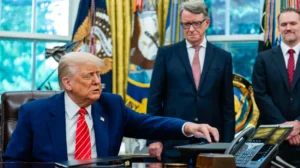
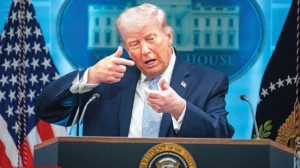
Public acknowledgment from figures such as Donald Trump credited Beijing with facilitating dialogue, yet China avoided formal mediation roles. This distinction is critical. Facilitation allows influence without accountability, whereas mediation requires ownership of outcomes.
By refraining from institutional involvement, China ensured flexibility. It contributed to de-escalation while preserving its ability to disengage if conditions deteriorated, a hallmark of its foreign policy approach.
Established Language Shapes Engagement
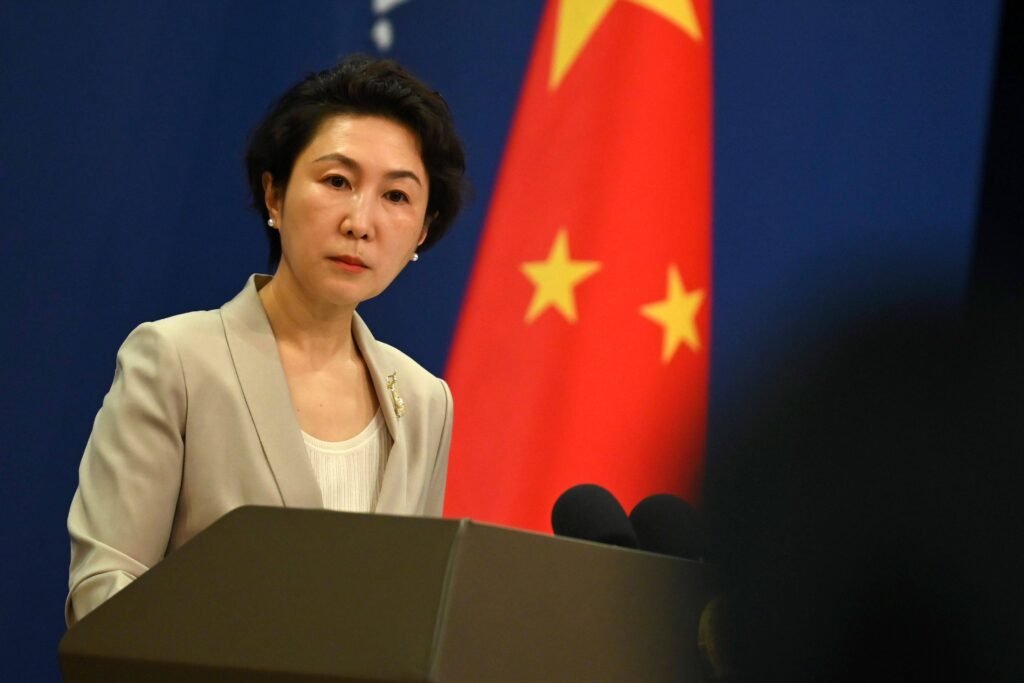
Statements from Mao Ning emphasized “constructive engagement” and “peaceful resolution,” mirroring diplomatic language used consistently over the past decade. The repetition of such phrasing signals stability in doctrine rather than innovation.
This continuity indicates that even in crisis scenarios, China relies on established narratives to frame its role, reinforcing predictability in its international posture.
Crisis Management Over Systemic Transformation
China’s actions during the ceasefire highlight a focus on immediate stabilization rather than long-term restructuring. The objective was not to redesign regional security frameworks but to prevent escalation that could disrupt broader economic and geopolitical stability.
High-Level Diplomacy Focused on Containment
Foreign Minister Wang Yi engaged in extensive diplomatic outreach, holding multiple conversations with regional and global stakeholders. These efforts were aimed at halting escalation rather than proposing new governance structures.
The emphasis on urgency over innovation reflects a crisis-management mindset. China positioned itself as a stabilizer, not an architect of new systems.
Multilateral Framing Without Innovation
China’s coordination with regional actors, including Pakistan, produced proposals centered on ceasefire enforcement and civilian protection. However, these initiatives did not introduce new legal frameworks or enforcement mechanisms.
This reliance on existing multilateral language underscores a preference for operating within established norms rather than redefining them.
Economic Imperatives Drive China’s Calculations
China’s engagement in the ceasefire is deeply rooted in economic considerations, particularly energy security. The Middle East remains central to its energy supply chain, making regional stability a strategic necessity.
Energy Security as a Central Priority
Iran plays a significant role in China’s energy imports, especially under constrained global supply conditions. Disruptions in the Strait of Hormuz threatened to destabilize these flows, prompting Beijing to act.
By supporting de-escalation, China ensured the continuity of critical supply routes, aligning diplomatic action with economic priorities.
Trade Stability Over Political Alignment
China maintains relationships with multiple regional actors, including Saudi Arabia and United Arab Emirates, while sustaining its partnership with Iran.
This balanced approach allows China to avoid entanglement in regional rivalries. The ceasefire intervention reflects this strategy, prioritizing stability over alignment.
Strategic Distance Defines China’s Foreign Policy
A defining feature of China’s approach is its deliberate distance from binding commitments. This strategy minimizes risk while preserving influence across multiple geopolitical arenas.
Avoidance of Security Guarantees
Despite Iranian interest in stronger assurances, China refrained from offering security guarantees. Such commitments would increase exposure to conflict and reduce strategic flexibility.
This restraint aligns with a broader pattern of avoiding military entanglements, even when diplomatic influence is exercised.
Limited Institutional Leadership
China did not convene or lead a formal peace conference, nor did it attempt to establish a new negotiation platform. Instead, it supported existing mechanisms and encouraged dialogue within established frameworks.
This approach reinforces its preference for influence without leadership burdens.
2025 Developments Reinforce Continuity
China’s actions in 2026 are best understood in the context of developments throughout 2025, which laid the groundwork for its current posture.
Precedents in Regional Engagement
Throughout 2025, China expanded its economic and diplomatic presence in the Middle East. Agreements with Iran and Gulf states reflected a strategy of diversification rather than alignment.
These efforts demonstrate a consistent focus on economic integration and risk management, rather than ideological positioning.
Consistent Messaging Across Forums
At platforms such as the United Nations General Assembly, President Xi Jinping reiterated themes of dialogue and non-confrontation.
This continuity in messaging reinforces the idea that China’s foreign policy remains anchored in long-standing principles, even as global tensions evolve.
Managing Risk in a Volatile Environment
China operates within a complex geopolitical environment, balancing competing interests while avoiding direct confrontation. Its actions reflect a calculated approach to managing risk.
Operating Within Constraints
Sanctions and geopolitical competition shape China’s engagement with Iran. Chinese firms have adapted through alternative financial systems and logistical adjustments.
The ceasefire provided temporary relief but did not alter these structural constraints, reinforcing the need for cautious engagement.
Defined Red Lines Maintain Balance
China has avoided crossing sensitive thresholds, particularly in areas such as nuclear cooperation. This restraint helps maintain relationships with Western powers while preserving ties with Iran.
Such balancing acts define China’s broader strategy, allowing it to operate across competing spheres without full alignment.
Rethinking the Narrative of Transformation
China’s role in the US-Iran ceasefire reflects a measured extension of its existing foreign policy rather than a departure from it. Its actions demonstrate a preference for stability, economic continuity, and strategic flexibility, all rooted in long-standing principles.
As global tensions persist, the durability of this approach will face increasing scrutiny. The evolving dynamics between major powers and regional actors may eventually require choices that test China’s ability to maintain distance while expanding influence, raising questions about whether continuity can hold under mounting geopolitical pressure.