Diplomatic talks between Iran and the United States seemed to take a step in the right direction following years of stagnant discussions. On February 6-26, indirect negotiations at Oman mediation were held in Muscat and subsequently in Geneva. These deliberations were preceded by preliminary diplomatic talks in 2025 when both parties discreetly discussed how to compromise on the nuclear program of Iran.
Mediators of Omani origin said that meaningful progress had been made in Geneva. Iran had indicated that it would water down its stock of uranium that it had enriched to 60 percent in case of sanctions being lifted against its oil exports and civilian aviation. The proposal replicated previous agreements relating to the 2015 nuclear agreement, which had failed years before when Washington backed out of the deal.
Iran’s negotiating framework during the Geneva talks
Iranian negotiators went into the February sessions with a deal that offered technical nuclear concessions and economic demands on an equal basis. The authority proposed to reduce the level of enrichment and decrease the amount of uranium stored and monitored by the international community in order to relax the export of energy and financial transactions.
Iranian officials have said that the talks were the most fruitful since talks broke down in 2025 due to increased pressure of sanctions. Technical teams were even starting to converge on differences on centrifuge boundaries and monitoring, giving hopeful signs amongst mediators that a tentative structure might come up.
Fragile trust shaped by earlier tensions
In spite of the diplomatic advances, there was weak trust between Washington and Tehran. International scrutiny into undeclared nuclear locations brought about by reports made by the International Atomic Energy Agency all through 2025.
Meanwhile, proxy battles and cyber operations were being waged throughout the Middle East in a covert conflict. These events strengthened the distrust between the two governments and the negotiation became prone to changes in the strategic environment.
Iran’s negotiating leadership and internal pressures
The foreign policy of the negotiations demonstrated a compromise between the internal politics and the foreign pressure. The economic setbacks, such as inflation and financial limitations imposed due to sanctions, stimulated the leaders of Iran to seek negotiations without making any compromises regarding the sovereignty of the country.
Abbas Araghchi’s cautious optimism
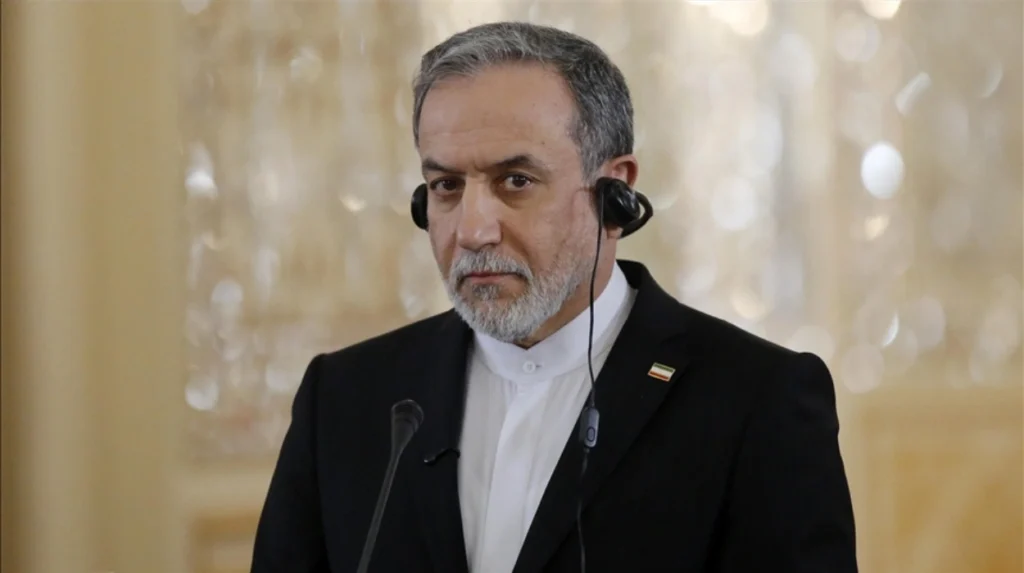
The current negotiating team of Iran was headed by Foreign Minister Abbas Araghchi who gave a semi-optimistic statement after the third round of talks in Geneva. He said that the meeting was perhaps one of the most productive meetings in recent years and that a quick deal could be made as long as the two parties showed the necessary political goodwill.
Araghchi put the negotiations in the context of the need to build a system of nuclear control where Iran could stabilize its economy. His statements were indicative of trying to put a face of diplomacy as a viable option that would avoid being seen to give too much to the west.
Domestic constraints shaping Tehran’s diplomacy
The leaders of Iran were under a lot of pressure at home, when engaging in negotiations. Several years of economic sanctions had added to inflation which is more than forty percent and this has increased frustration by the people and economic suffering.
President Masoud Pezeshkian was an advocate of diplomatic engagement though he pointed at the fact that Iran would not give in to foreign pressure. His words marked out a common motif in the Iranian political rhetoric: talks could go on as long as they did not prejudice the national dignity and sovereignty.
Military strikes abruptly transform diplomatic landscape
The fragile diplomatic environment changed dramatically on February 28, when coordinated military strikes targeted Iranian nuclear and military infrastructure. The operation was publicly linked to strategic decisions by United States President Donald Trump and supported by Israel.
The attacks struck facilities in multiple Iranian provinces, including locations near Tehran. The scale of the strikes signaled a decisive shift from covert competition to direct military confrontation, effectively ending the diplomatic momentum generated during the February talks.
Immediate impact on Iran’s negotiating position
In several days, Iranian officials made a conclusion that no further negotiations with Washington were possible under the current conditions. In an interview on TV, Abbas Araghchi said that a revival of dialogue with the United States was not in the offing, and that the happenings were a bitter bitter experience in Iranian diplomacy.
His statements were indicative of what many people in Tehran thought had occurred to the trust that had been established in the course of the Geneva negotiations through the attacks. The Iranian officials justified their position by saying that diplomatic relations were pursued in good faith, only to be followed by military action in the near future.
Rejection of renewed dialogue
The leadership of Iran presented the strikes as a manifestation that Washington was putting forward military pressure instead of diplomatic compromise. Araghchi in public remarks indicated that the experience had permanently spoiled the future negotiations with the United States.
The change of tone was also vivid in contrast with his previous optimism in the Geneva talks. Iranian leaders now stressed resistance and resilience over engagement and this indicated significant re-calibration of Tehran foreign policy.
Strategic calculations behind Washington’s decision
From Washington’s perspective, the decision to carry out strikes reflected long-standing concerns about Iran’s nuclear capabilities and regional influence. American policymakers argued that diplomatic efforts had failed to produce sufficient guarantees that Iran would abandon its nuclear ambitions.
Competing views within the US leadership
Other people in the administration held divergent opinions concerning when they should take military action. Vice President J. D. Vance stated that the leadership of Iran was not ready to make any serious concessions, and the Secretary of State Marco Rubio threatened that Tehran might hasten the development of nuclear weapons in case of the relaxation of pressure.
These discussions symbolized wider splits in the American foreign policy circles on the efficacy of sanctions and diplomacy in restricting the Iranian nuclear program.
Israel’s influence on strategic decisions
Israeli security issues were also reflected in the decision of intensifying military pressure. The Israeli authorities had several times threatened that the nuclear activities of Iran were a great threat and that something stronger should be done.
Such threats became more popular after regional conflicts in 2025, such as the one between Iranian-supported forces in the Middle East. This largely led to the strategic environment becoming more supportive to taking the offensive over having extended discussions.
Regional and global consequences of diplomatic collapse
The failure of negotiations had a direct effect on the stability in the region. The attacks were followed by Iranian missile attacks and proxy activities throughout the Middle East that greatly extended the conflict way beyond the original targets.
The situations in Iraq and Hezbollah rocket units stepped up attacks on American and Israeli interests. These events described how fast diplomatic failures can spread security crises.
Mediators struggle to revive diplomacy
Those countries who in the past had been mediating roles were left behind by the fast deterioration. The diplomatic initiative taken by Oman that was initially regarded as a good avenue of dialogue failed after the strikes.
The same problems affected the efforts of the governments of Europe to stimulate renewed negotiations. The sanctions pressure increased as the channels of communication between Washington and Tehran became narrower.
Economic and humanitarian repercussions
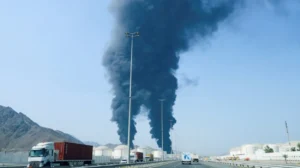
The conflict also produced significant economic and humanitarian consequences. Rising tensions around the Strait of Hormuz disrupted global energy markets, pushing oil prices sharply higher and creating uncertainty for international trade.
At the same time, civilian casualties and infrastructure damage within Iran fueled domestic anger toward Western governments. The humanitarian impact further hardened political attitudes, making diplomatic compromise more difficult.
Diplomatic negotiations often depend on fragile confidence built through incremental trust, and the events surrounding the 2026 strikes illustrate how quickly that confidence can collapse. Iran’s leadership now frames the experience as proof that engagement with Washington carries significant risks, while American officials maintain that military pressure remains necessary to prevent nuclear escalation. Whether future intermediaries can reopen dialogue remains uncertain, yet the memory of this bitter diplomatic breakdown is likely to shape calculations in Tehran and Washington long after the immediate conflict subsides.