The decision to delay the proposed sale of $14 billion worth of military equipment to Taiwan is more than just another defense procurement issue. This situation highlights how two crises at once could impact America’s logistics, executive decisions, and the entire East Asian strategy. According to reports, some high-ranking U.S. military defense officials have indicated that the reason behind this decision is directly linked to the necessity of having ammunition available for fighting the Iranians.
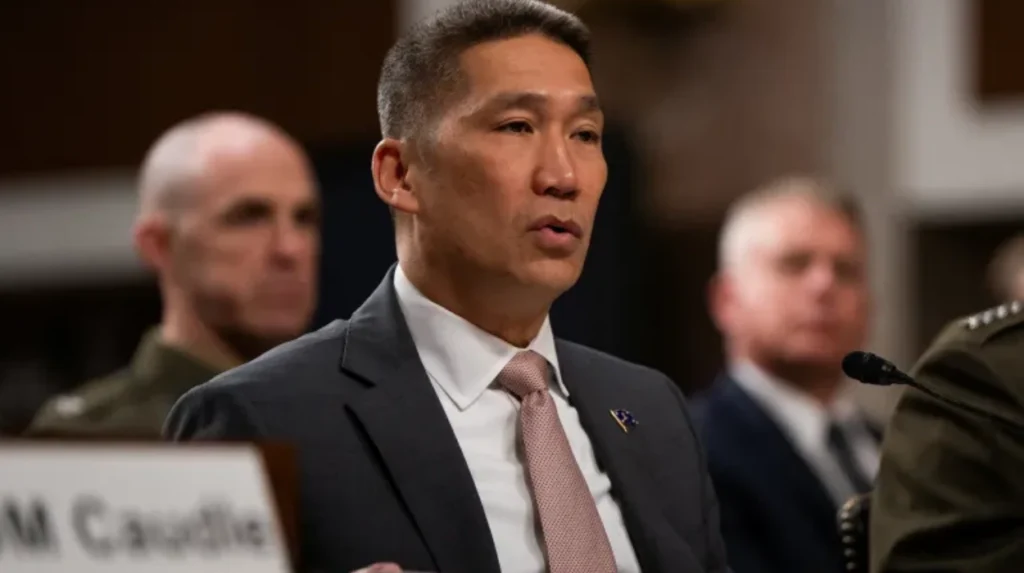
At the center of the story is Acting U.S. Navy Secretary Hung Cao, who told lawmakers in a Senate hearing that the administration is reviewing available stockpiles before moving ahead.
“We need to make sure we have enough munitions for Epic Fury,”
Hung Cao said, using the codename reported for the Iran campaign. His statement frames the pause as a question of readiness, not a withdrawal of support for Taiwan.
The time is crucial. It follows a major summit between Trump and Xi Jinping by just days. Immediately after the summit, there was talk about whether the arms deal was now included as part of the broader diplomatic negotiations between the United States and China. Indeed, the delay in the arms delivery is seen as both a logistical and political move.
Why the package matters
The deal, reportedly valued at $14 billion, is one of the biggest arms deals ever made regarding Taiwan, and some sources claim that it is the largest ever offered. The deal had already received approval from the legislative body of Taiwan back in January, but all that remains now is the approval from President Donald Trump to proceed.
This particular aspect is vital since it indicates that the halt occurs at the very last political stage. Since Taiwan relies heavily on America to supply it with weapons due to its territorial claims by China, this particular move can have considerable significance in multiple ways.
The package is also significant because it comes at a time when Taiwan is under intensifying pressure to maintain confidence in American support. Any hesitation from Washington can echo far beyond the arms transaction itself, shaping perceptions of U.S. reliability in Asia.
The official rationale
The most straightforward justification put forth so far has been about stockpile management. As reported by several sources, the United States has decided to halt the sale as part of making sure that the supply of the necessary weaponry and ammunition will not be depleted in support of the operations against Iran. It is a typical strategy where a rise in intensity of conflict may affect the flow of aid or deterrence in other areas.
According to Hung Cao, the sales would go on once the government decided it was right time. Additionally, he stated that the final decision would have been made by Secretary of Defense Pete Hegseth and the Secretary of State Marco Rubio.
This alleged quote about “Epic Fury” in particular provides some insight into the connection between the Taiwan pause and an actual military requirement. This implies that the question is not merely financial or administrative but is related to battlefield demand.
Trump’s China calculation
This has happened almost instantly since the story has intertwined itself with the president’s stance on China. According to another news source, the president himself has indicated some level of ambiguity regarding his approval for the new Taiwanese military package and has indicated that this decision should be linked with China. This political language indicates that the security of Taiwan might actually be pitted against its relationship with China.
This is particularly sensitive in light of the latest meeting between Donald Trump and Chinese President Xi Jinping. Although there may have been no formal arrangement between the two leaders, the timing of the delay in the approval of the Taiwanese package cannot be overlooked.
What is certain is that Trump’s handling of Taiwan is being carefully monitored. Whatever the case may be, it holds a lot of significance since Taiwan holds key importance in the strategic rivalry between the United States and China. In light of this, the fact that Trump has put a hold on deliveries of arms, specifically due to war with Iran, has many possible interpretations.
Taiwan’s strategic vulnerability
This is especially the case for Taiwan, which is dependent on foreign military aid since it deals with a bigger and better-armed country than itself, China. It makes sense for even the mere expectation of the shipment of such weapons to carry a certain deterrent value.
The leaders of Taiwan have constantly pointed out the importance of U.S. arms sales to prevent coercive actions from the Chinese. During media coverage of the story, the Taiwanese president backed arms procurement from the United States and cited it as necessary to ensure deterrence. This should come as no surprise given how important it is for the country not to be seen as isolated or weak.
Delay also becomes important from an operational point of view. Modern weapons and equipment may take a long time to manufacture, plan the logistics, and integrate training. This means that when a delivery of this scale is stopped, it does not only imply waiting for a couple of weeks; it may have long-term effects on force generation.
The numbers behind the story
The primary number discussed in the news item is $14 billion. It is quite a significant amount, considering the topic of defense deals with the United States, and can attract interest of its own due to its magnitude. It might well be considered the largest single arms deal ever made with Taiwan.
The contract was apparently approved by the Taiwanese legislature in January but still needed one last decision from President Trump. This implies that there has already been a considerable amount of work done on this deal before the last delay occurred.
Another interesting piece of information concerns the timing of the Iran dispute. According to the news, it seems that while a ceasefire was declared between the two countries since April 8, the peace process has not yet been finalized.
What Hung Cao’s remarks signal
Cao’s statement is significant in that it reflects the stance taken by the government in its official capacity. By stating that the deal is put on hold in order to have sufficient supplies for use against the Iranians, he is implicitly conveying to Congress the message that operational need takes precedence over swift delivery to Taiwan.
Moreover, his choice of words indicates that the postponement could be temporary in nature. Mentioning resumption of sales when necessary shows that while the package has been delayed, it has not been canceled. This difference in meaning is significant because delay is politically more defensible than cancellation.
The reported mention of Defense Secretary Pete Hegseth and Secretary of State Marco Rubio also shows that the issue is being handled at the highest levels. This is not simply a Navy procurement question. It is a cross-government decision that touches military readiness, diplomacy, and alliance signaling.
Regional and global stakes
The consequences stretch far past the island nation itself. With China embroiled in a war elsewhere, and with the U.S. seen as holding back on its promises, America’s Asian partners might start to wonder how long it would take before their commitment were to come into question during an actual crisis.
Beijing would be listening closely as well. Not even a policy change would need to occur in order for any delay in delivering arms to Taiwan to be taken as a sign of U.S. reluctance. China has always been keen to spot any signs of division within America’s ranks.
At the same time, U.S. officials will argue that this is precisely what responsible power management looks like: prioritizing current combat needs while preserving long-term alliance commitments. The challenge is that such decisions rarely look neutral from outside. In strategic competition, timing becomes messaging.
What remains unresolved
Several key questions remain open. First, no final cancellation has been reported. Second, it is still unclear how long the pause will last. Third, it is not yet known whether Trump will personally approve the package once the review is complete.
That uncertainty is itself part of the story. When a major arms sale is delayed at the exact moment that Taiwan is seeking reassurance and Washington is managing a major Middle East conflict, the pause becomes politically consequential. Even if the sale eventually moves forward, the temporary interruption will shape how the episode is remembered.
For now, the safest reading is that the administration is trying to balance two urgent priorities: meeting battlefield needs in the Iran war and preserving the option of continued support for Taiwan. Whether that balance proves wise will depend on how long the conflict pressure lasts and how Beijing, Taipei, and U.S. lawmakers respond in the meantime.