The Policy of the United States toward Cuba under the Oil Blockade led by President Donald Trump is a calculated worsening of United States policy towards Cuba as exemplified in the Executive Order 14380 issued in January 2026. This action constituted a national emergency that was related to the geopolitical orientation of Cuba, as Washington implemented an economic pressure that was based on more than direct sanctions in the form of third-party deterrence. In April 2026, the restrictions were expanded to include specific directives against Cuban officials and their networks, especially those related to energy and financial systems.
The policy transcends the conventional embargo frameworks by introducing the extraterritorial enforcement mechanisms. Foreign companies involved in the oil supply chains in Cuba are also subject to tariffs and financial sanctions, which have the effect of extending the jurisdiction of the United States. This instrument makes the blockade a worldwide compliance exam, as even having an economic stake in the Cuban energy industry is economically risky.
Expansion Of Sanctions Mechanisms
The second step in the executive orders shows a change in the direction of precision targeting but high and wide-ranging economic effect. The United States is looking to disrupt decision-making structures in Cuba by freezing assets and limiting travel of individuals connected to important sectors of the economy. These actions also send a message to the global community that collaborating with Cuban institutions might have a reputational and monetary price.
This stratagem of isolation combined with diplomatic pressure strengthens the isolation circle without using the traditional military equipment. It is also indicative of continuity with previous efforts of sanction, which are now tailored towards energy vulnerabilities.
Extraterritorial Reach And Global Compliance Pressure
The extraterritorial character of the Oil Blockade is the most significant aspect of it. In punishing foreign banks and companies that assist in facilitating the shipment of oil, Washington literally exports its policy model to international markets. This has compelled energy suppliers and intermediaries to re-evaluate their exposure to risk, especially in Latin America and some parts of Europe.
The outcome is a deterrence environment whereby compliance is not only motivated by direct enforcement, but also fear of being excluded by the United States financial systems. This dynamic redefines international behavior in terms of trade and aligns the third-party actors with the objectives of the United States policy even without formal agreements.
Energy Crisis Deepens Across Cuba’s Domestic Infrastructure
The direct effects of the Oil Blockade can be most easily observed in the domestic energy sector of Cuba, where the problems with the supply have led to mass blackout and shortages in fuel. At the beginning of 2026, there were several nationwide outages, impacting hospitals, transportation systems, and schools. These shocks underscore how the Cuban economy is structurally reliant on foreign oil imports.
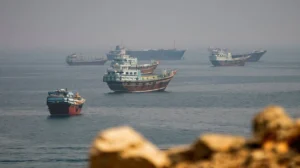
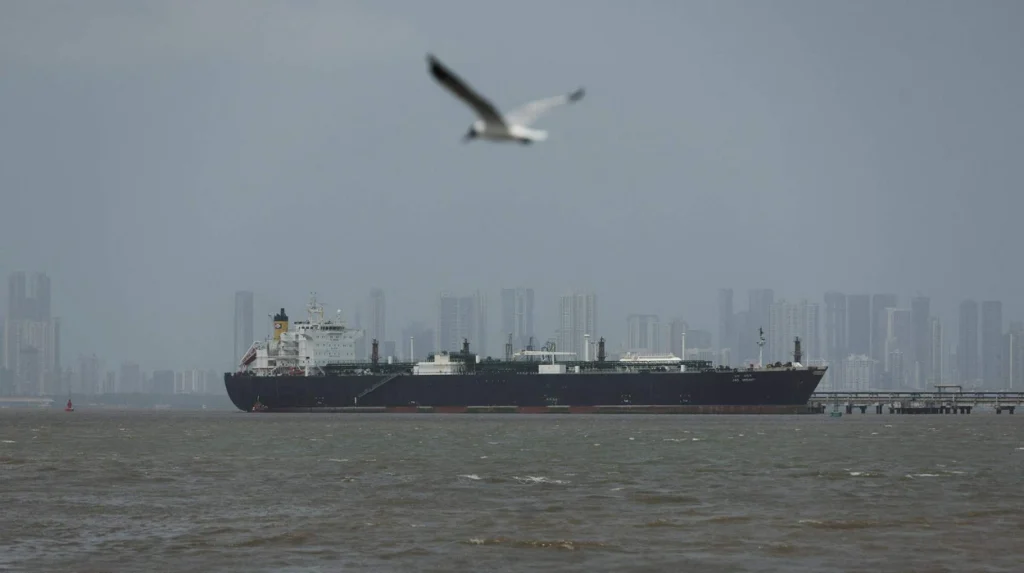
The decrease in shipments, especially after Venezuela assistance has been hampered, has escalated the crisis. The deliveries to Cuban ports have been limited to only a few reports in recent months, compelling authorities to put in place stringent rationing measures. This has increased the prevailing economic problems such as inflation and diminishing industrial production.
Blackouts And Public Service Disruptions
Blackouts have become the new norm of the day and hours-long blackouts have become a regular occurrence in large cities. There has been a limitation in the operations of critical infrastructure such as healthcare facilities since there is no consistent power supply. Such circumstances highlight the weakness of centralized energy systems subjected to continuous external forces.
The effects are not isolated to immediate disruption of the services. There is decreased industrial production, increased transportations costs, and reduced trust of institutions by the people. The consequences of all these results are the aggravation of the socio-economic pressure on the Cuban society.
Fuel Shortages And Economic Contraction
The scarcity of fuel has made the government to focus on the basic services, and leave commercial and personal use of fuel. This has upset supply chains especially in industries like tourism and mining, which are highly dependent on constant access to energy. This contraction has also tightened the finances of the states further limiting their ability to act in response to the crisis.
The effect of energy shortage and economic decline on each other forms a feedback loop, with low output constrained supply of imports, which further strengthens the effect of the blockade. This dynamic depicts how targeted sanctions can create systemic impacts in connected sectors.
Cuban Government Response Frames Oil Blockade As Economic Pressure
In reaction, the leadership of Cuba has framed the Oil Blockade as an exercise of economic pressure with an emphasis on the humanitarian and legal consequences. According to the officials, the actions are collective punishment, and this poses the issues concerning sovereignty and international standards. Public messaging has been aimed at domestic mobilization of resilience and finding international assistance via diplomacy.
This story contextualizes the blockade as a part of a bigger historical theme of resistance and national sovereignty of the United States and Cuba. It is also used to justify internal policy choices to cope with scarcity, such as rationing and government intervention in economic sectors.
Diplomatic Messaging And Legal Arguments
Diplomatic efforts by the Cuban authorities have stepped-up and the extraterritoriality of the sanctions has been pointed at as a challenge to international norms. Framing the blockade as a conflict with the principles of the Charter of the United Nations, Havana aims at establishing multilateral backlash and the validity of the United States actions.
This tactic is similar to previously used campaigns opposing the embargo, but with a sense of urgency given the direct effect on the energy supplies. The fact that the focus is placed on legal arguments also contributes to the attempt to change the bilateral confrontation to global governance criteria.
Domestic Mobilization And Public Sentiment
On the domestic front, the government has resorted to popular protests and media campaigns to cement national unity. These endeavors are meant to direct anger to foreign powers as opposed to the home institutions and preserve political stability in the face of economic adversity.
Simultaneously, the crisis is lasting, which questions the sustainability of this strategy. Although the short-term unrest can be reduced with the help of public messaging, the long-term shortages can question the efficiency of resilience based on narratives.
United States Strategic Rationale Behind The Oil Blockade
To Washington, the Oil Blockade is a political instrument to counter what he sees as threats to national security in relation to Cuba and her global affiliations. The policy is also put in a larger context of trying to combat instability in the region and curb the powers of the opposing powers. The United States will focus on energy lifelines in an attempt to create the maximum pressure with minimum direct conflict.
This strategy is consistent with a broader trend of economic statecraft, in which sanctions are a key employment of foreign policy. The focus on energy indicates the realisation of its key contribution to economic and political stability.
Security Framing And Geopolitical Context
The United States narrative connects the blockade to concerns about Cuba’s relationships with countries such as Russia, China, and Iran. By linking economic measures to security objectives, Washington justifies the escalation as a defensive strategy rather than punitive action.
This framing also resonates with domestic political considerations, where strong measures against perceived adversaries can reinforce policy credibility. The integration of economic and security narratives strengthens the rationale for sustained pressure.
Tariff Tools And Financial Leverage
The introduction of tariffs on countries supplying oil to Cuba represents a significant development in sanction design. By targeting trade flows rather than direct transactions, the United States expands its influence over global energy markets. This creates a layered system of deterrence, combining financial penalties with trade restrictions.
The effectiveness of this approach depends on the willingness of third-party actors to comply. Early indications suggest that many suppliers are adjusting their behavior to avoid penalties, reinforcing the blockade’s impact.
International Legal Debates Intensify Around Oil Blockade Measures
The Oil Blockade has reignited debates about the legality of unilateral sanctions, particularly those with extraterritorial reach. Critics argue that such measures undermine established international norms. Supporters, however, contend that states retain the right to regulate their economic interactions in pursuit of national security.
This divergence reflects broader tensions within the international system, where competing interpretations of sovereignty and enforcement coexist. The Cuban case serves as a focal point for these debates, highlighting the challenges of balancing power and legal principles.
Sovereignty Versus Sanctions Legitimacy
The central legal question revolves around whether the blockade infringes on Cuba’s sovereign rights. By restricting access to essential resources, critics argue that the policy exceeds acceptable limits of state behavior. This perspective emphasizes the humanitarian consequences as evidence of disproportionate impact.
Conversely, the United States position frames the measures as targeted and justified, focusing on accountability rather than broad-based punishment. This contrast underscores the complexity of evaluating sanctions within existing legal frameworks.
Global Responses And Diplomatic Alignments
International reactions have been mixed, with some countries expressing concern over humanitarian implications while others quietly adjust their policies to avoid confrontation. This fragmented response reflects the difficulty of building consensus on issues involving major powers.
The debate is likely to intensify as the blockade’s effects become more pronounced. The intersection of legal principles and geopolitical interests ensures that the issue remains contested within international forums.
Economic And Strategic Implications For Global Energy Networks
The Oil Blockade extends beyond Cuba, influencing broader energy dynamics in Latin America and beyond. By altering supply chains and trade patterns, the policy reshapes regional energy flows. Countries that previously engaged with Cuba must now navigate a more complex risk environment.
This shift has implications for global markets, particularly in terms of pricing and supply stability. The reconfiguration of trade routes may create opportunities for some actors while constraining others.
Regional Supply Adjustments And Trade Shifts
Energy suppliers in the region have begun recalibrating their export strategies, reducing exposure to Cuban markets. This has redirected flows toward alternative destinations, potentially affecting prices and availability in other regions.
The long-term impact will depend on the continuation of the blockade and the adaptability of affected economies. The current trajectory suggests a gradual realignment rather than abrupt transformation.
Strategic Isolation And Limited External Support
Cuba’s reliance on a narrow set of suppliers has become increasingly evident. Limited deliveries from allies highlight the challenges of sustaining energy imports under external pressure. This isolation reinforces the blockade’s effectiveness while exposing structural weaknesses in Cuba’s economic model.
The evolving situation raises questions about the resilience of smaller economies in the face of coordinated financial and trade restrictions. It also underscores the importance of diversification in mitigating external shocks.
As the Oil Blockade continues to reshape economic realities and diplomatic alignments, its broader significance lies in how it redefines the boundaries of economic statecraft. The interplay between pressure, resilience, and adaptation suggests that the outcome will depend not only on policy decisions in Washington or Havana, but on how global actors respond to the shifting balance between sovereignty and strategic leverage.