The second term of President Trump’s presidency could bring many changes to the United States’ foreign policies. Changes in many sectors, such as trade and immigration, to US foreign relations, like the Ukraine war, are possible. He chose many people for his cabinet, highlighting that Trump started his efforts to fulfill his promises. But no one knows the exact time of when these changes will take place. Some of his decisions are unpredictable because personal disputes often influence Trump’s leadership style.
Donald Trump’s first presidential era was unusual, while the Biden administration was viewed as a return to normal. Now in 2025, it seems that a new standard will be set again because of Trump’s movement “Make America Great Again” (MAGA).
His success was not the rejection of liberal values like rights and laws. Instead of this, Trump’s victory is the pushback against neoliberal policies. The focus of these policies is not on the American working class. It means it hurts working-class groups in America. Trump’s message connected with working-class people of all backgrounds, shaping a new political direction in the United States.
It seems like Trump faces many challenges in achieving its goal just because of his contradictory policies. One of the main issues in Trump’s tariff policy is an objective to protect American industries but the rising risk of backfiring. His tariff policy impacts the US economy. According to his policy, a 10-20% tax is put on imports while 60% on Chinese goods. This decision could increase the prices of goods in the United States. Many think that this tariff policy will lead to increased inflation in many other nations. Mexico, a key trade partner of the US, would face significant challenges due to this tariff policy. Many US auto manufacturers depend on Mexican supply chains, such as Ford and GM. And US tariff policy hurts Mexico’s economy.
Trump has a plan to deport 11 million undocumented migrants. This plan faces many challenges in the future. It is not easy to remove one million from each year. This would hurt industries like farming and construction. Because the working of these sectors depends upon migrant workers.
This could lead to higher prices and economic problems, showing how complicated the effects of Trump’s policies could be.
These policies of Donald Trump highlight that he strongly focuses on personal revenge and has a desire to take a major shift in governance. There are many key figures under his target. It includes Jack Smith, Merrick Garland, John Kelly, Mark Milley, and Liz Cheney, whom he sees as adversaries. He will make rules that help him fire federal employees easier. He replaced them with MAGA supporters to strengthen his control.
Furthermore, many significant changes are expected in foreign policy. Trump and his members strongly support Israel and tough policies on Iran. Furthermore, Trump forced Ukraine into a ceasefire. This stance by Trump could lead to Ukraine losing some territories to Russia. This approach of the new President may weaken NATO’s influence. And it also pushes Ukraine towards neutrality.
For Israel, Trump plans to offer full support without imposing conditions, unlike Biden. He has reportedly told Netanyahu to end the Gaza war before his term begins, signaling clear backing for Israeli actions.
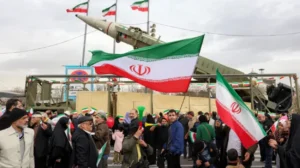
Under new leadership, US foreign policy has changed, impacting its international influence and ties. Trump’s actions, like pulling out of the Iran nuclear agreement and enforcing severe sanctions, weakened Iran and organizations like Hezbollah, which benefited Israel. Trump’s strategy against China, however, was contradictory; despite his severe stance on trade, he inked a deal in 2020 that left room for additional deals.
The United States is becoming more polarized at home, which is reducing its influence internationally. A weakening World Trade Organization and disagreements at the UN Security Council are straining the post-World War II global order. Trump’s support for Russia and mistrust of NATO further put established partnerships in jeopardy.
The Global South may gain from this US withdrawal, which would enable organizations like the BRICS to change the balance of power in the world. But in order to establish a new, functional multilateral framework, this change needs more than simply words.