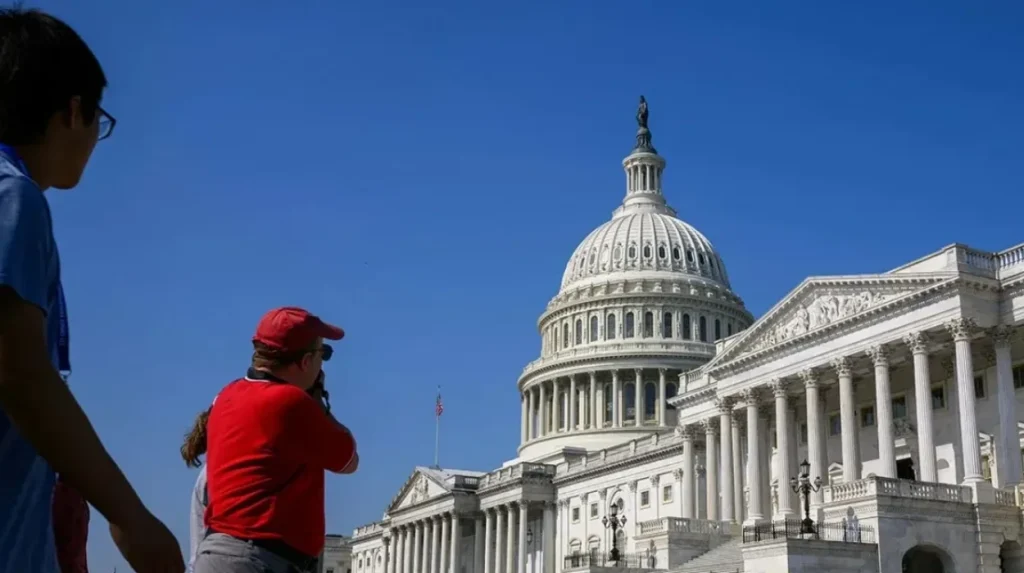
In 2025, the United States faces a sharp decline in international travel, diverging from global trends. Arrivals in March fell 14% year-on-year, while tourist spending dropped 22.5%, equaling $12.5 billion lost. Analysts blame political tensions, economic uncertainty, and bureaucratic barriers for driving a tourism sector crisis.
Several historic U.S. source markets for travel have seen particularly steep declines. Canadian holidays, especially by automobile, fell 38%, with air travel down 24% through May 2025. Western Europe, a traditional reliable source of inbound U.S. travel, saw across-the-board double-digit drops: United Kingdom visitors fell 18%, and Germany fell 28%. Spain, Colombia, Ireland, and the Dominican Republic each saw visitor decreases between 24% and 33%, which represent a systemic issue larger than fad market trends.
The decline poses serious macroeconomic worry. Travel and tourism add over $2 trillion annually to U.S. GDP and support close to nine million jobs. The decline in foreign visitors, which have a higher per-traveler income than domestic travelers, creates spillovers throughout the hospitality, retail, transport, and small business establishments based on tourist flows.
Policy barriers and geopolitical tensions shaping travel declines
The introduction of a proposed $250 visa integrity fee in 2025 has also encountered strong opposition throughout diplomatic and business communities. The detractors protest that the move imposes a prohibitive overcharge of fees for tourists from allied nations, especially in the context of already time-consuming visa interview procedures. Nonimmigrant visa interview wait times in large consular posts such as Paris, Berlin, and Bogotá remain above 150 days, heavily deterring spontaneous or time-critical travel, according to State Department data.
Border control policies have also been questioned. Enhanced vetting procedures, although aimed at national security, have resulted in increased scrutiny at ports of entry, causing delay and inconvenience. Travelers have complained of longer processing time and disparate treatment, undermining the U.S. as a welcoming destination.
Global perceptions and diplomatic frictions
The lingering impact of past political rhetoric particularly “America First” philosophies and protectionist tendencies resulted in a broader shift in global opinion. In spite of attempts by the Biden administration to restore America’s image globally, reputational damage appears to be deep-rooted in the minds of tourists when making choices.
Trade tensions and tariff threats against traditional allies have additionally placed diplomatic pressure, making travel flows more challenging. European governments have protested a deficiency in reciprocity in travel facilitation, while there have been Latin American demands for the renegotiation of bilateral tourism and visa agreements.
Economic uncertainty compounding travel hesitancy
The ongoing process of world inflation and signs of economic recession in top U.S. tourist economies further let the air out of demand. Unhiked interest rates and fuel prices in economies such as the UK and Germany reduce household disposable income for overseas travel. The perception of the U.S. as a costly destination now added to by visa and processing fees helps cause the avoidance.
Disparities within domestic vs. international travel
U.S. domestic travel has remained robust. Surveys by the American Hotel & Lodging Association indicate over 68% of Americans having made leisure travel bookings during summer 2025 as against 62% in 2024. National parks, beach resorts, and road trip vacations remain sought after, driven by low unemployment and pent-up demand for travel.
But this domestic resilience does little to counter the foreign deficit. Overseas visitors spent more money per visit—$4,200 compared with $1,700 for U.S. tourists—and stayed longer. Florida, California, New York, and Nevada economies, dependent as they are on foreign visitors, have experienced their hotel occupation rates and tourist spending collapse.
Business tourism, conventions, and international educational tourism also reflect this imbalance. Universities report weaker foreign enrollment in their summer sessions, while business chambers report a sharp drop in global attendance at U.S.-hosted conferences.
Industry and stakeholder calls for decisive leadership
WTTC President and CEO Julia Simpson put the unfolding tourism meltdown into the context of “a wake-up call for the U.S. government.” She noted that “this is not about demand, it’s about deterrents,” and, absent swift policy realignment, cautioned the U.S. is in danger of falling behind countries more virulent at attracting tourists. Her statement has rung across the industry, which is demanding structural reforms.
Tourism and travel associations are clamoring for streamlined and automated visa procedures, abolition of excessive entry fees, and robust branding initiatives to reposition the United States as an open, secure, and vibrant destination. Others are urging expansion of the number of participating countries in the U.S. Customs and Border Protection Global Entry program to reduce friction at the border.
Convention and visitor bureaus in places such as Miami, Chicago, and San Francisco have forwarded joint letters to federal ministries, risking long-term reputational loss and demanding increased promotional outlays to recapture lost awareness in foreign markets. Having no national tourist office with a centralized budget and priority, as in Canada, Australia, and Japan, is an increasing structural disadvantage.
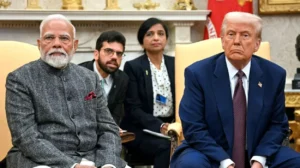
He has spoken on the topic, urging leadership and policy shifts to restore global trust in US travel and prevent further economic losses:
Their words reflect growing consensus that the problem is not outside resistance but internal lethargy.
Competitive landscape and the global tourism rebound
While America is seeing inbound tourism decline, other countries are coasting on worldwide demand. France, for example, saw an 11% increase in foreign visitors up to the middle of 2025, boosted by simplified visa-on-arrival schemes and a reliance on an online advertising campaign dovetailing with the upcoming 2026 Winter Olympics. Japan, South Korea, and the UAE have also enhanced electronic visa quotas and streamlined immigration procedures, growing more competitive.
Mexico has extended visa waivers and strengthened its tourist promotional board, drawing American and European tourists who previously were bound for the U.S. Caribbean resorts also are benefiting from easy visa requirements and favorable currency exchange rates, making them attractive alternative options to U.S. resorts.
These trends indicate that the tourism sector is competitive and image-based. Unless policy reforms take place, the United States will be permanently behind in the post-pandemic realignment of global travel patterns.
A narrowing window for strategic recovery
Washington’s task in 2025 is both image and operational. Streamlining visa processes, reducing expense, and improving the visitor experience at ports of entry are within grasp with interagency collaboration and executive resolve. Repairing the overall brand of “destination America,” however, requires strategic vision and ongoing public diplomacy.
The COVID recovery international travel rebound is a slender opportunity. Other nations are scrambling to capture market share, leveraging this opportunity window to establish tourist allegiance in the long term. If the United States can reverse in time to reclaim its place, the question is still paramount prior to policymakers, leaders in tourism, and industry participants.