U.S. counterterrorism policy remains central to national security as global threats evolve. Terrorism adapts through technology and shifting geopolitics, compelling the United States to emphasize strategic alliances and advanced threat detection. Rising foreign fighters, technology-driven attacks, and great power competition intensify challenges, underscoring urgent need for innovative counterterrorism strategies, integrated cooperation, and resilient policy frameworks.
Security and Counterterrorism Operations
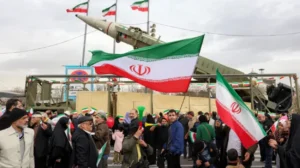
The United States continues robust counterterrorism military operations, including targeted airstrikes against remaining ISIS forces in Syria. The National Counterterrorism Center (NCTC) serves as the central hub that synthesizes intelligence for threats tied to international terrorism. Approximately 12 countries face entry restrictions under the 2025 Executive Order 14161 based on terrorism-related risk assessments. Decisions around U.S. troop deployments or withdrawals in hotspot regions like Syria directly affect counterterrorism effectiveness and regional stability. The Trump administration’s 2025 policy emphasizes “maximum pressure,” especially on Iran, linking its nuclear ambitions to terrorist networks threatening U.S. security.
Partnerships and Multilateral Cooperation
Partnerships form the backbone of U.S. counterterrorism efforts. The U.S. works with over 50 countries and international organizations such as the United Nations Global Counterterrorism Forum and Interpol. Bilateral initiatives like the U.S.-India Counterterrorism Joint Working Group enhance intelligence sharing and operational coordination, particularly about South Asia’s terrorist threats. Domestically, the FBI’s Joint Terrorism Task Forces remain vital, linking federal, state, and local agencies. Cybersecurity collaborations, especially through the National Cyber Investigative Joint Task Force, address the growing menace of cyberterrorism and online radicalization.
Legislation and Executive Actions
In 2025, Executive Order 14161 limits entry for nationals from high-risk countries lacking adequate terrorism screening measures. The U.S. Treasury’s Office of Foreign Assets Control (OFAC) intensifies sanctions targeting terrorist finance networks, focusing heavily on Iran and its proxies. The Terrorism (Protection of Premises) Act 2025 introduces enhanced security protocols aimed at protecting domestic critical infrastructure from terrorist attacks, representing an evolution in U.S. domestic counterterrorism legislation.
Background and Historical Context from a Political Lens
Since the 9/11 attacks, the U.S. has refined its counterterrorism policy through significant legal and structural changes, including the USA PATRIOT Act and the formation of the Department of Homeland Security. The Obama administration prioritized dismantling al-Qa’ida and ISIS through overseas military operations and intelligence-led approaches. Returning to office in 2025, President Trump adopts a harder stance featuring heightened immigration controls, direct military pressure on terrorist sponsors like Iran, and a strategic pivot to intelligence-driven “over-the-horizon” tactics. This reflects a shift towards balancing counterterrorism efforts with the broader challenges posed by strategic competitors such as China and Russia.
Main Actors and Stakeholders in U.S. Counterterrorism Policy
Key players include the U.S. federal government—especially the White House and Departments of Defense, Homeland Security, State, Justice, and Treasury—who craft and implement counterterrorism strategy. President Donald J. Trump’s administration advocates stringent immigration policies, sanctions, and military strikes focusing on Iran’s role in supporting terrorism. Congress holds critical oversight power and debates issues relating to civil liberties and foreign military involvement. Crucial allies, particularly India, the United Kingdom, and NATO members, provide intelligence-sharing and operational partnerships. Meanwhile, adversarial governments such as Iran, Russia, and China impact global terrorism dynamics through proxy support and geopolitical maneuvering. The FBI and intelligence agencies are fundamental in disrupting domestic threats, while international bodies like the UN Counter-Terrorism Committee facilitate global cooperation. Non-governmental entities influence policy discussion and public opinion on counterterrorism.
Current Developments in U.S. Counterterrorism Policy
In 2025, the Trump administration has expanded travel restrictions to include nationals from 19 countries identified as high-risk for terrorism-related vulnerabilities. U.S. forces intensified military strikes on Iranian nuclear facilities, heightening tensions with Tehran, which is a major sponsor of regional terrorism. Cybersecurity has received renewed focus, with increased resources funneled into national cyber investigative task forces combating digital extremism. The U.S.-India Counterterrorism Joint Working Group reaffirmed its commitment to intelligence sharing, targeting growing threats in South Asia. Additionally, new domestic legislation, notably the Terrorism (Protection of Premises) Act 2025, augments protective measures for critical infrastructure such as transportation hubs and energy facilities.
Challenges and Risks in U.S. Counterterrorism Strategy
The policy faces political challenges in balancing robust security measures with safeguarding civil liberties, often igniting domestic political polarization. Economic risks emerge from sanctions and military actions, which may provoke retaliatory measures affecting global markets. Security risks grow as terrorist actors exploit artificial intelligence, encrypted communications, and other emerging technologies. Diplomatic tensions arise due to unilateral U.S. actions in conflict regions, risking alienation of allies and empowering adversaries. Managing detainees and foreign fighters returning from conflict zones like Syria remains a contested and sensitive political issue. The U.S. also must carefully allocate resources amid competing security priorities, including great power competition, avoiding overextension in its counterterrorism commitments.
Political and Policy Implications of U.S. Counterterrorism Policy
Changes in counterterrorism policy directly influence voter attitudes and domestic political debates, with national security and immigration often focal points. The policies shape U.S. alliances by reinforcing intelligence and operational cooperation, while heightening confrontation with adversaries like Iran. Cyberterrorism’s growing relevance drives legislative and executive agendas toward digital safeguards. The strategic balancing act between traditional counterterrorism and great power competition defines present U.S. security policies, requiring adaptable strategies that reconcile immediate threats with longer-term geopolitical objectives. Overall, counterterrorism remains a politically charged but essential domain shaping America’s global role and internal politics.