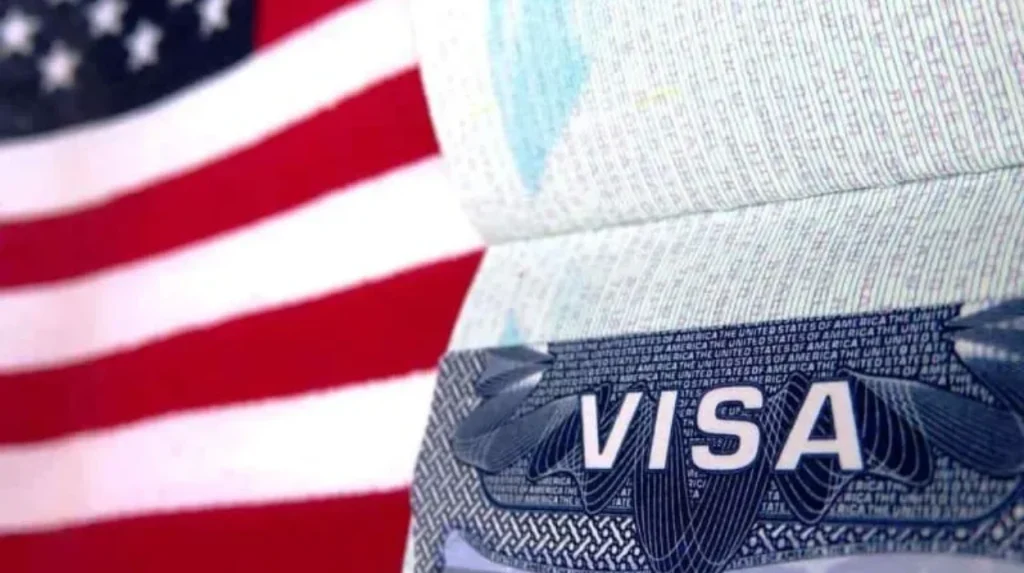
In July 2025, the U.S. Department of State officially declared the suspension of routine visa operations at its embassy in Niamey, Niger. Effective July 26, all processing of immigrant and non-immigrant visas has been put on hold except for diplomatic and official purposes. This has been prompted by the increased diplomatic tensions, with the 2023 military coup in Niger and the poor bilateral relations of the two countries which had come to pass in the last two years.
Both security and immigration concerns were mentioned in a State Department communication, which is dated to July 25 and is internal. Namely, a high rate of visa overstay in the U.S., estimated at 8 per cent of visitor visa and 27 per cent of students and exchange participants, in the case of Niger was listed as one of the major triggers. Under the current Trump regime, the issue of clamping down on visa overstays has become a keystone in the immigration policy ever since the regime regained power in January 2025.
Diplomatic Strains and Regional Context
Deterioration of Military and Strategic Partnerships
There has been a gradual analysis of relationships between Washington and Niamey since the military seized power back in 2023. One of the most notable breaks occurred in 2024 when Niger’s ruling junta demanded the full withdrawal of U.S. forces stationed in the country. The U.S. did so in September 2024, evacuating an operationally strategic airbase used to conduct counterterrorism actions in Sahel. This retreat undermined American operating capability in one of the parts of the world that has been afflicted by jihadist bloodshed and insecurity.
Economic Consequences of Diplomatic Disengagement
Diplomatic chill carries over to economic indicators as well. The U.S. bilateral trade with Niger declined by a third, shrinking to a little bit less than 50 million dollars by the middle of 2024. Development projects initiated by the U.S have come to a halt with the American companies either postponing or canceling their involvement due to lack of knowledge on the regulatory and political environment of the environment in Niger.
National Security Concerns Shaping Visa Policy
Visa Overstay and Administrative Scrutiny
The Trump administration’s renewed focus on visa compliance has led to a marked tightening of entry permissions, particularly for nations with high rates of overstays. Niger is currently among one of the many African nations that will undergo a form of tougher, stricter scrutiny as listed on by the U.S. immigration enforcement. The State Department notes that consular workers have been instructed to initiate extra background screening and demand a lot of documentation from Nigerien applicants even those who aim to obtain temporary travel.
In justifying the suspension, U.S. officials claim that the overstay rates of Niger are very high which poses a potential threat to national security and immigration control. They are attempting to exercise administrative control again, and push the Nigerien government to cooperate in enforcement and repatriation, by putting a complete halt in processing.
Larger Shifts in the U.S. Visa Policy
Niger’s decision is not exclusive. It is part of any continuous pattern by the Trump administration to examine visas in the rest of the world. The administration has also tightened the vetting processes of several African, Asian, and Latin American countries since January 2025, claiming to act on national security grounds. These procedures involve prolonged processing times, social media history and rejecting of applicants by using general ambiguous risk indicators.
This has a wider ideological consonance in the administration, where its ideology is focused on domestic rather than international involvement. Although such moves might be in line with short political goals, they create suspicion over long term harms done to educational, scientific, and diplomatic relations.
Consequences for Nigerien Citizens and Bilateral Relations
Disrupted Academic and Professional Mobility
Nigerien citizens seeking access to the U.S. now face a closed consular window. For thousands of students, professionals, and family members, the suspension translates into canceled plans, broken educational pathways, and lost income. Many were preparing for the autumn academic intake, and the abrupt freeze in processing has left them without alternatives. According to the reports of universities in the U.S., dozens of deferred admissions have occurred which are not guaranteed reinstatement by Nigerien students.
The issues surrounding the travel restrictions have also been of concern to business leaders and civil society organizations in the country of Niger. International networking and training programs—often funded by foreign donors—are now under threat, diminishing Niger’s access to global development frameworks and opportunities.
Diplomatic Impasse and Lack of Clarity
Although that is a serious step, U.S. officials have not made any explanation on what particular conditions ought to be observed by Niger before the suspension of visas are lifted publicly. Such a lack of clarity also contributes to the diplomatic stalemate, leaving Nigerien authorities with few means and paths towards solving the problem.
The Ministry of Foreign Affairs of Niger has not officially reacted to this visa freeze yet, and the analysts can consider this as a tactical silence in order to prevent an escalation. Nonetheless, there is almost no variety of communication with the citizens of the nation so there will be an increase of distance in terms of trust and understanding between the two countries.
Strategic and Geopolitical Dimensions
Recalibrating U.S. Influence in the Sahel
The U.S. suspension of its visas should be interpreted within the framework of diminishing American power in the Sahel. The area in the past was an area of intense U.S. military and diplomatic involvement, but today is marred by transnational insurgencies and a political crisis. Since the withdrawal of the troops and the recent patent disengagement on the basis of visa, Washington is also indicating its weaker taste about active participation in Niger and beyond.
Such repositioning provides space to other world players, especially Russia and China to increase their presence. They have both expressed interest in enhancing military and economic relations between Sahelian states and have often coupled it with fewer political strings attached as opposed to Western partners.
Regional Trends in Visa Restrictions
Niger is not alone. In previous 2025, the United States also placed the same type of visa restrictions on Mali, Guinea, and Chad citizens over overlapping views of governance and enforcement of migration. The trend represents the local reset in which the policy of immigration turns into the increase of geopolitical strategy.
This contraction may cause regional-sized exasperation toward the western world and their attractiveness to the non-western powers that want to provide alternative relationships. The developmental and democratic institution building long-term threat in the region is the potential loss of youth mobility especially education and entrepreneurship.
Navigating Diplomatic Uncertainty
In the case of Niger, restoration of full services in visa services looks to demand specific steps on migration application and greater consistent diplomatic involvement. But this can be strained by internal politics of the junta and general anti-Western feeling in the region.
As far as the U.S. is concerned, the critical issue is how to strike a balance between the interest of national security and that of diplomatic credentials. Suspension of particular visas en masse to fix the problem can be an expedient measure, but will often be counter-productive in that doing so divests America of valuable constituencies and makes American soft power less effective, not more so.
This person has spoken on the topic: Analyst Abebe Samson observed that
“The suspension encapsulates deeper geopolitical fault lines and the human costs of rigid security policies — a vivid reminder that diplomacy and national security are inseparable.”
His comments, shared on this public platform, underscore the growing concern that short-term visa restrictions may have outsized long-term consequences for bilateral engagement.
As international mobility continues to shape diplomacy, development, and security in complex ways, the case of Niger offers a timely lens into the fragility of global partnerships under pressure. Whether through policy adjustment or diplomatic negotiation, the restoration of travel pathways could serve as a critical test of how effectively the U.S. and its partners manage crises at the intersection of immigration control and international cooperation.