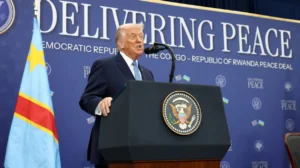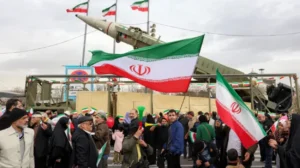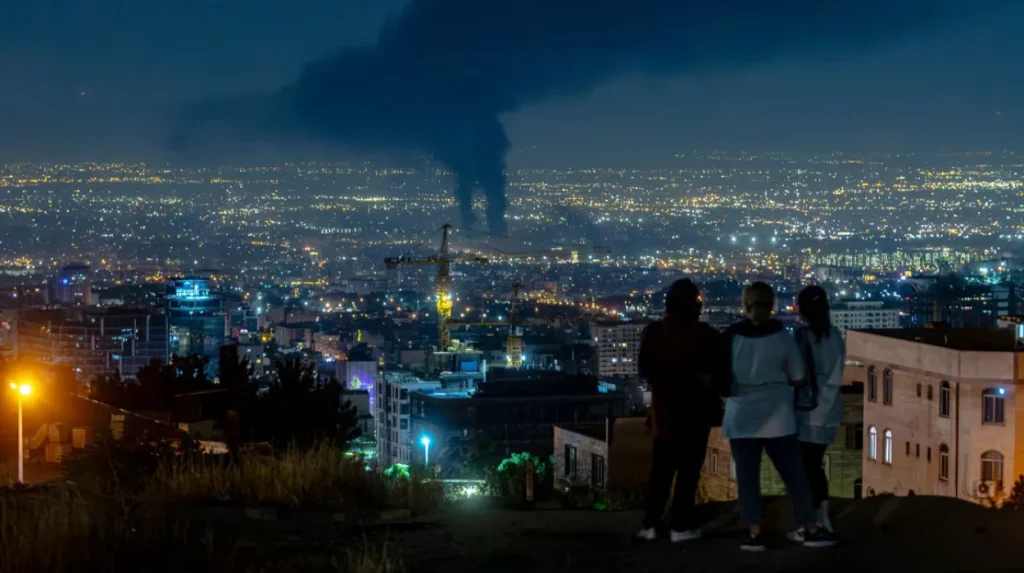
In Israel, uncertainty and speculation have been raised by US President Donald Trump’s deliberate two-week wait in deciding whether to strike Iran. Some of Israel’s top leaders have publicly advocated for US military intervention, claiming that it might shorten the war and help Israel accomplish its objective of eliminating what it has long seen as an existential threat—a nuclear Iran armed with ballistic missiles.
Israel’s political leaders are exercising caution in their remarks following Trump’s revised timeframe so as not to be perceived as pressuring the president into a Middle East confrontation that he has long wished to avoid. Now, Netanyahu and others are becoming more circumspect in their public statements, praising the possible advantages of US engagement without advocating for it.
Israel has claimed that US intervention would fundamentally alter the character of the fight and increase the likelihood of successfully hitting Iran’s Fordow nuclear complex, which is buried deep in a mountain south of Tehran. Only American aircraft would probably be able to carry 30,000-pound bunker buster bombs for such a decisive assault.
The Israeli defence no longer has the feature of surprise following the first week of Israel’s attacks in Iran, and the political leadership of the nation must determine how far to push the campaign—a choice that is largely dependent on what Trump decides to do.
How are Israel and Iran reacting to uncertainty?
Israel has kept a close eye on the conflict inside Trump’s MAGA base between the camp that believes this is the best chance for decisive military action against Iran and the more isolationist wing that opposes US engagement in a new Middle East conflict.
Netanyahu has lavished Trump with public adoration. The Israeli leader stated on Wednesday that the two talk “frequently.”
“I think President Trump for his backing,”
Netanyahu stated in a pre-recorded video message.
Trump, however, has strayed from the US’s long-standing pro-Israel stance in the Middle East, as seen by his discussions with Iran, his agreement to end hostilities with the Houthis, and his visit to the area that did not include Israel. There are now clear differences between the two leaders as a result of the White House’s actions.
Nevertheless, since Israel started attacking Iran, the two administrations have continued to communicate.
In order to assess the feasibility of a diplomatic solution to Iran’s nuclear program, Iranian Foreign Minister Abbas Araghchi met with his colleagues from the UK, Germany, and France on Friday in Switzerland. Even as Trump considers military strikes, the White House announced on Thursday that US-Iranian contact has persisted without providing any information on the conversations.
Are Trump’s actions signaling a shift in policy?
However, the administration has not shown signs of panic in response to Trump’s decision to postpone an attack on Iran for two weeks. It suddenly seems far less clear that Trump will command US military intervention, which only 48 hours ago looked certain to Israeli authorities. Taking credit for Israel’s military victories, Trump moved from declaring,
“We now have complete and total control of the skies over Iran,”
to allowing himself two more weeks to make what may turn out to be one of his most consequential foreign policy choices.
According to authorities, Israel began the operation against Iran without the US pledging to support the campaign, but it was thought that the headlines of Israel’s military achievements would persuade Trump to approve US military participation.
However, the authorities stated that Israel’s “pace of success is slowing down” as the campaign moves into its second week. Additionally, the possibility of a mistake is growing as Israel continues its operations against Iran, which is around a thousand miles distant. This might have an impact on Israel’s activities as well as lessen the potential of US involvement.