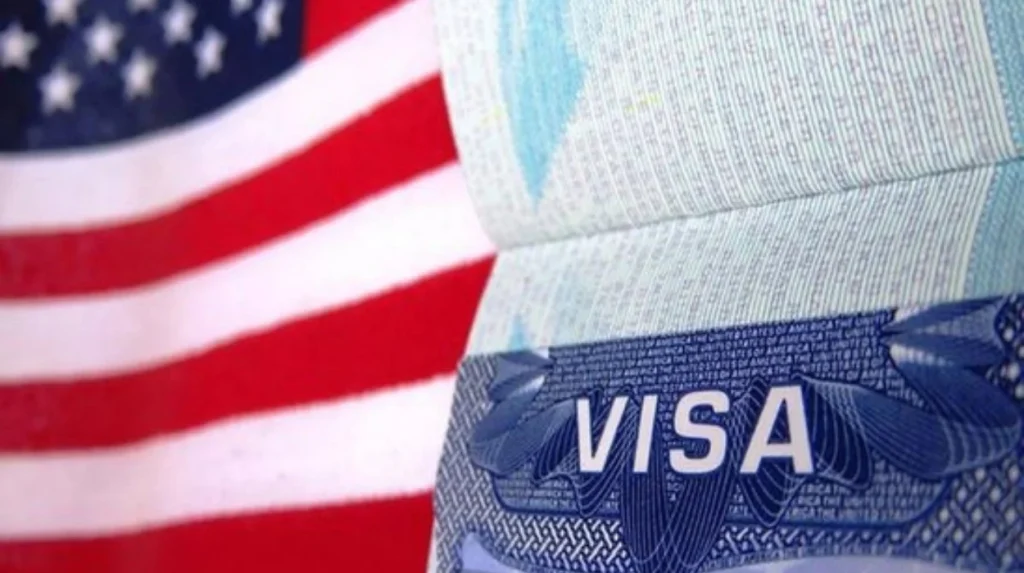
The U.S has remained a dream destination to international students in need of top quality education and opportunities to advance their careers worldwide. However, in the year 2025 this reputation is jeopardized. The drastic accommodation since President Donald Trump came to power has caused unexpected anxiety, uncertainty and upheaval to hundreds of thousands of international students with the changes to the student visa policy. This has been a change from attractive to apprehensive given the fact that international students are facing delays in their interviews due to sudden cancellations in the issuance of visas, and the possibility of losing job opportunities, once they have graduated.
In this analysis, the realities, statistics, opinions of stakeholders, and practical implications of Trump visa policies in 2025 will be discussed, which will bring a holistic picture of how the changes have transformed the life of international students in America.
Exclusive: New student visa interviews are on pause as Trump’s admin weighs requiring foreign students applying in the U.S. to undergo social media vetting. https://t.co/0pWIZDlKnw
— POLITICO (@politico) May 27, 2025
The Sudden Halt: Visa Interviews Paused
A Global Shockwave
In May 2025, Washington issued a direct order to the U.S. embassies and consulates around the world: all the new F-1 (student) and F-2 (dependent) visa interviews were to be suspended indefinitely, with no exceptions and no announced date that matters could be started up again1. This sudden stop stranded thousands of potential students, many of whom had been accepted by the United States to the best universities, without being able to obtain the documentation required to start their study.
Who Gets Affected?
- Indian, Bangladesh, Pakistani, Nigerian and other large source students have been left stranded, some whole families and entire college/university tracks have been suspended.
- Dependents and spouses are also not spared by the pause and their plans with families and in their learning careers get interfered with.
- Current visa holders are nervous about renewal and fear being revisited in a retroactive examination.
The Rationale
The Trump administration has positioned such a hiatus as part of a larger immigration enforcement plan, based on the assertions of national security, and the request to add to vetting, particularly in the backdrop of campus protests and augmented geopolitical crises. Critics, however, see it as a political move targeting the international education sector and leveraging control over foreign enrollment to press demands on American colleges.
Intensified Scrutiny and Social Media Surveillance
New Vetting Measures
Alongside the interview pause, the State Department issued guidance requiring increased scrutiny of international students’ social media activity. This means:
- Visa applicants’ online presence, including posts, associations, and protest involvement, are now grounds for denial or revocation1.
- Students involved in campus activism—particularly pro-Palestinian protests—have faced arrests, deportations, or abrupt status terminations.
Impact on Student Sentiment
Many students now feel their futures hinge not just on academic merit but on an unpredictable review of their digital footprints and political expression. As one student from Shanghai put it, “I am terrified about my future here in the United States… I’m unsure how I—or anyone, for that matter—can feel secure in the United States, knowing our futures rest on a house of cards”.
Policy Shifts: From OPT to Enrollment Caps
The Threat to Optional Practical Training (OPT)
The Trump administration has signaled plans to end the Optional Practical Training (OPT) program—a one-year period after graduation when international students can work in their field of study. This move would:
- Eliminate a key pathway for students to gain U.S. work experience and transition to longer-term visas.
- Force students to either rush H-1B applications or consider opportunities in other countries.
- Undermine the U.S.’s ability to attract and retain global talent, particularly in STEM fields.
Enrollment Restrictions and Targeted Bans
- The administration has attempted to block Harvard University from enrolling any new international students, a move currently on hold pending legal challenge.
- President Trump has publicly stated that elite institutions should limit international enrollment to about 15%, down from current levels of 25% or more at some universities.
- New travel bans and targeted restrictions have been imposed on students from countries such as China, Nigeria, and Sudan, with Chinese students facing aggressive visa revocations and heightened scrutiny.
Economic and Academic Fallout
Impact on Universities
- University administrators report alarm and confusion, with some institutions seeing up to 12% of their student body at risk due to visa uncertainty.
- Delays and unpredictability disrupt academic planning, course offerings, and campus diversity.
- The closure of the Department of Education—another Trump-era policy—has further complicated federal oversight and support for higher education institutions2.
Student Choices and Global Competition
- Many students, like MIT graduate Bob Zeng, are now rethinking their plans to build careers in the U.S., considering Europe or returning home instead.
- The risk of denied or revoked visas is prompting a shift toward other destinations such as the UK, Australia, and Canada, which offer more stable and welcoming immigration pathways.
Personal Stories: Anxiety and Uncertainty
Voices from the Student Community
- “The very aggressive steps that the current administration has taken to limit and push back on foreign admission has certainly been extremely surprising to see, and—for me at least—was totally unforeseen.” (International student from Beijing)
- “I am worried about working here… You never know what’s going to happen.” (MIT graduate, originally from China)
- Many describe a pervasive “sense of inferiority,” anxiety, and insecurity, fearing retaliation or abrupt changes to their legal status.
The Human Cost
- Families are separated, with dependents and spouses unable to join students in the U.S..
- Students face the burden of frequent visa renewals, expensive paperwork, and the threat of “unauthorized presence” rules that could trigger deportation for minor technicalities.
- The uncertainty is affecting mental health, academic performance, and long-term career planning for thousands.
Policy Rationale and Stakeholder Statements
Trump Administration
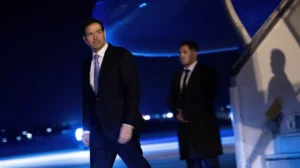
- Secretary of State Marco Rubio: Announced aggressive revocation of Chinese student visas and tightening of criteria for China and Hong Kong.
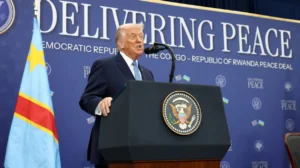
- President Trump: “I want to make sure the foreign students are people that can love our country,” justifying enrollment caps and stricter vetting.
- The White House: Framed the new proclamation as a measure to “protect national security and American values”.
University Officials and Policy Analysts
- University leaders have voiced alarm over the unpredictability and potential loss of global talent.
- Policy analysts warn that the denial rate for H-1B visas peaked at 24% during Trump’s previous term, compared to just 2% in 2022, and caution that similar trends could return.
Immigration Trends in 2025
Latest Immigration Instances
- Mass visa revocations: Over 300 student visas revoked nationwide in 2025, including at top-tier universities, often for minor infractions.
- Indian students: F-1 visa rejection rates have soared to 41% in 2024, with heightened scrutiny and stricter financial requirements.
- Chinese students: More than 275,000 face risk of status loss or denial due to targeted policies.
- Social media and protest involvement: Increasingly used as criteria for visa denials, especially after pro-Palestinian demonstrations.
The Global Picture
- Other countries are working hard to take over the U.S as the best place to attract international students, and international students turn to the country where they are disillusioned with American policies.
- The chilling effect on student applications, research collaboration, and campus diversity will probably have long-term impacts on American higher education and innovation.
The visa policies implemented by Trump in 2025 have turned around the welcome mat to international students in America into a worry mat. A sudden freeze in interviewing visas, increased screening, notices against opportunities of work after graduation, and selective bans have led to an exhaustive needle {kama-e:a needle} atmosphere of anxiety and uncertainty. The notion of pursuing education and building a future in the United States has now become precarious to many, something on a house of cards as one student describes. With the growing global trend of the contest over talent, America will be forced to choose whether the country will continue to be the lamp on the hill towards which the brightest people in the world are attracted or it will lose its status as the country to which the brightest people in the world are attracted to.