In 2025, the idea to attack the Iranian nuclear program directly by the United States army is back in the mainstream of the global security conversation. Due to the increasing tension, as Israel attacked Iranian nuclear sites, then Washington and Tehran made threats to each other, the world can experience a new potential devastating conflict in the Middle East.
The discussion is based on the most recent facts, statements of interested parties, and changes to conduct a strategic, political, and humanitarian analysis of the risks and reality of the U.S military intervention in the debate over the Iran nuclear program.
To achieve its stated objective of taking out Iran’s nuclear facilities, Israel will likely need U.S. military assistance. FP’s @RaviReports explains how U.S. leadership is weighing this decision.
— Foreign Policy (@ForeignPolicy) June 17, 2025
Follow FP’s ongoing coverage here: https://t.co/WroFooSrk6 pic.twitter.com/gecwZibgzx
History: The Developing Nuclear Crunch
Diplomatic Failure and New Tension
Decades of diplomatic hostility are the foundation of the current crisis. Under President Trump, the United States withdrew from the Joint Comprehensive Plan of Action (JCPOA) in 2018, which led to the reinstatement of sanctions and a severe deterioration of ties with Iran. Despite the Biden administration’s 2021 attempt to resurrect the accord, the Israeli-Hamas war and other regional events caused the negotiations to fail.
At the beginning of Trump during his new administration in April 2025, the indirect negotiations between the U.S and Iran were renewed, and it still has yet to yield a breakthrough. In the interim, the nuclear program in Iran has progressed, and the world has been concerned about its uranium enrichment and the possibility of the arming of weapons.
Israeli Air Raids and the Spiral of Escalation
Israel started this course of attacks on June 13, 2025, against Iranian nuclear facilities, in an effort to slow down what it said was the Iranian race to the bomb. Their activities destroyed some sites such as Natanz but it did not destroy heavily entrenched Fordow site, which epitomizes that there is little that Israel can do on its own to dismantle this underground infrastructure unless acting with America.
U.S. intelligence assessments, however, suggest Iran is not actively building a nuclear weapon and is still up to three years from being able to deliver one, though it possesses all necessary components if it chooses to proceed.
The Debate in Washington: To Strike or Not to Strike?
Trump’s Rhetoric and Military Posturing
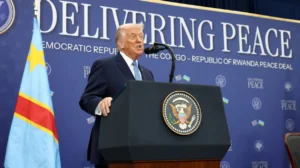
President Trump has dramatically escalated his rhetoric, demanding Iran’s “unconditional surrender” and warning Supreme Leader Ayatollah Khamenei that the U.S. knows his location, though stopping short of threatening assassination. Trump boasts of U.S. control over Iranian airspace and has authorized significant deployments of military assets to the region, including B-2 stealth bombers and carrier strike groups.
Despite these moves, Trump has publicly hedged on direct involvement:
“We’re not involved in it. It’s possible we could get involved. But we are not at this moment involved.”
Pentagon and Congressional Perspectives
The Pentagon is providing Trump with a range of military options, including targeted airstrikes on Fordow and other nuclear sites. However, there is no consensus within the administration, with some advisers urging restraint and others advocating for a show of force.
Congressional leaders are divided. Senate Democrats, including Chuck Schumer and Tim Kaine, have demanded classified briefings and insist that any military action against Iran must be authorized by Congress. Senate Majority Leader John Thune, meanwhile, argues that Trump has the authority to act to prevent Iran from acquiring nuclear weapons.
Iranian Response: Defiance and Threats
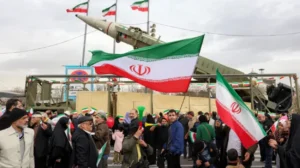
Supreme Leader Khamenei has responded with stark warnings, declaring that any U.S. military intervention would cause “irreparable harm to Americans”. He praised Iran’s resilience in the face of Israeli strikes and signaled that Iran would resist both war and peace imposed by external powers.
The traditional proxy system Iran has relied upon has been largely eroded, with Hamas in Gaza and Hezbollah in Lebanon having been degraded to the point of being an ineffective system of political support, so Tehran now finds itself more isolated but more ready to pursue direct action in its own defense. The Iranian leaders feel pressured to show their ability to strike back so as to keep their domestic validity and prevent subsequent attacks too.
Strategic Realities: What Would American Military Grounduchers Mean?
Technical and Operational Problems
- Fordow Facility: 300 feet under the ground, Fordow is almost impossible to attack by land using conventional airborne assaults. The only aircraft with a chance to cause significant damage would be U.S. B-2 bombers specially equipped with so-called bunker-buster munitions.
- Weak Israeli Abilities: Israeli strikes have delayed the Iranian program just by several months but not by years. Analysts confirm that after the United States, no other country can carry a long-term effort that can make the Iran nuclear infrastructure degrade substantially.
- Wider Campaign is Needed: Analysts assert that in order to really curtail the nuclear aspirations of Iran, attacks would have to cover not only the nuclear facilities of Iran but also missile manufacture, air defense, and economic facilities of Iran.
Risks of Escalation
- Regional War: Implementing the direct participation of the U.S would transform this conflict into a larger regional conflict involving the mobilization of the U.S military resources in the Middle East and the subsequent retaliation of the Iranians on the American facilities and allies.
- Global Effects: Escalation might impair international oil markets, cause a massive displacement and result in a totally unforeseeable security repercussion distantly outside the area.
Intelligence and Uncertainty
- Breakout Time: A successful attack would probably set Iran back on nuclear only a year or two. History (e.g. Libya, South Africa) tells us that a nuclear threat cannot be ended in the long-term unless the country concerned chooses to abandon its nuclear weapons or change its government.
- Danger of Shortcut Program: A military action would encourage Iran to go openly after nuclear weapons to deter attacks and thus leave the region much more unstable.
Political and Diplomatic Risks
Diplomatic Fallout
- International Legitimacy: Unilateral U.S. military action risks alienating European allies and undermining international legal norms, especially with France, Germany, and the UK still supporting diplomatic “snapback” sanctions mechanisms under the JCPOA until October 2025.
- UN and Global Reaction: The legitimacy of a strike would be hotly contested at the United Nations and could damage U.S. standing in global forums.
Domestic Political Divisions
- Congressional Authorization: The lack of clear congressional support for military action raises constitutional questions and could spark domestic political crises.
- Public Opinion: After decades of war in the Middle East, American public opinion is wary of new entanglements, especially those with unclear endgames.
The Humanitarian Dimension
Civilian Casualty and Human Rights
- Collateral Damage: Nuclear and military infrastructure are major targets that have high civilian casualties due to the loss of essential services or due to a direct attack.
- Displacement: war in the region will displace millions and add to the humanitarian crisis in neighboring countries.
Precedents in the year 2025
- Gaza and Lebanon: the current conflicts in Gaza and Lebanon have already revealed to us the devastating effects of modern warfare on civilian populations with high increases in the numbers of civilian deaths, destruction of infrastructure and mass displacement.
- Ukraine: The war in Ukraine continues to be the bloodiest armed conflict in the world, with tens of thousands of civilians killed and over millions displaced this has been a very grim picture of what may happen to Iran.
Stakeholder Statements and Strategic Calculus
U.S. and Israeli Officials
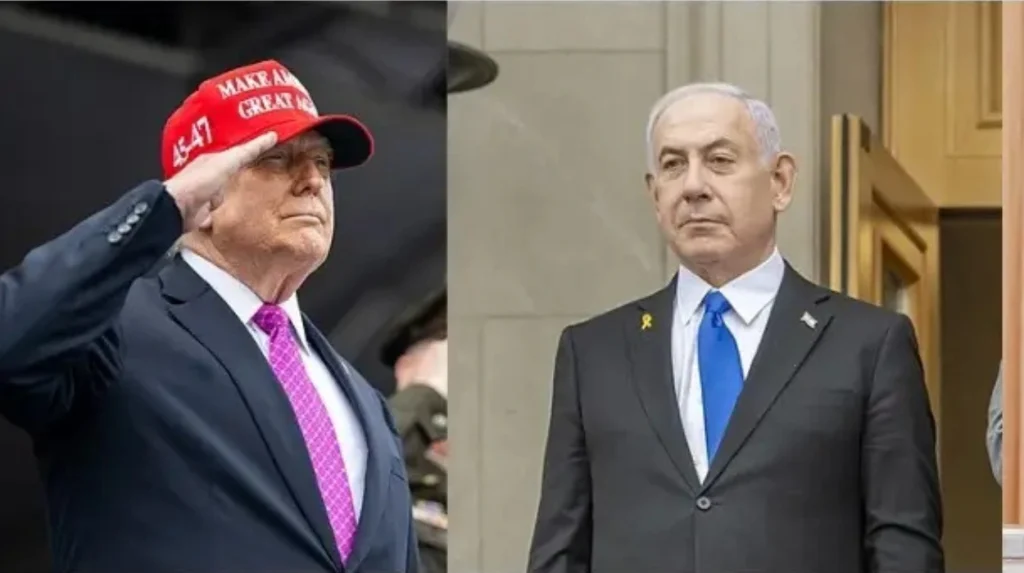
- Trump Administration: President Trump insists that “nobody knows what I’m going to do,” keeping both allies and adversaries guessing. He has also stated, “Iran must surrender unconditionally.”
- Israeli Leaders: Israeli officials believe U.S. involvement is essential for any strike to have lasting impact, both to achieve military objectives and to deter or defend against Iranian retaliation.
Iranian Leadership
- Supreme Leader Khamenei: “Any military intervention by the United States would cause irreparable harm to Americans.”
- Iranian Military: Vows to resist both imposed war and imposed peace, emphasizing the nation’s resilience and readiness to retaliate.
Alternatives to Military Action
Renewed Diplomacy
Although sabre-rattling has continued, the U.S. and Iranian leadership have indicated that they would be glad to find a diplomatic approach in case it would help to effectively cut-off the Iran road to nuclear weapons. Even though the second wave of the talks has started in April 2025 and the situation is rather shaky, it does not mean that it is no longer possible to negotiate.
International Pressure-Sanction
A non-military route to containment is provided by France, Germany, and the UK, who have expressed their readiness to re-impose UN sanctions against Iran in case it does not abide by the rules concerning nuclear accords.
The implications and possibilities of the U.S. military action in the Iranian nuclear program are somber. There is a lot of temptation to utilize force to ensure that Iran does not inflict the world with nuclear weapons and the technical, strategic, political and humanitarian cost is extraordinary and is laden with a lot of uncertainties. Around the world, people are waiting excitedly to see whether there will be a possible winning combination of diplomacy or yet another devastating conflict raising a face in the Middle East as 2025 unfolds.