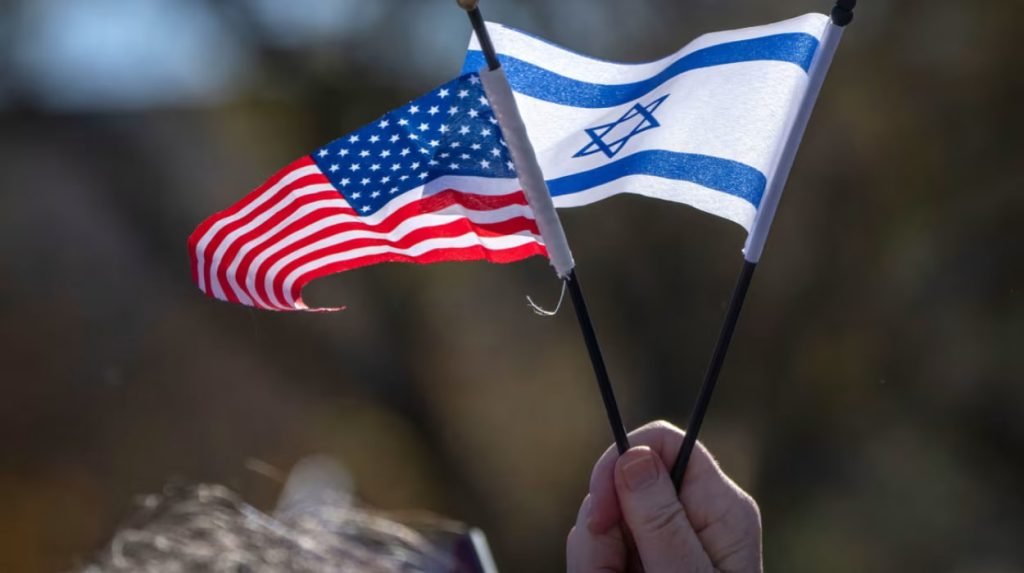
The president who claimed to be able to rapidly and simply bring about peace is now responsible for yet another significant escalation. In recent days, President Donald Trump has urged Israel to avoid attacking Iran in favour of negotiating a deal to limit Iran’s nuclear program.
However, it didn’t work out. Trump said early Friday that Israel’s enormous operation, which targeted Iran’s nuclear facilities overnight and killed top executives, was a great accomplishment.
All of this supports the idea that the world is more complicated than Trump said throughout his campaign. The relationship with Israel is also perhaps more complicated from a domestic standpoint than it has been in many years.
Is U.S. public support for Israel eroding beyond repair?
According to a number of indices, Americans’ support for Israel has declined to all-time lows as the war in Gaza has continued. Even while Republicans are far more likely than Democrats to support Israel, this is becoming increasingly difficult, especially as prominent conservative voices express concern about a tough stance against Iran.
With the historic escalation in the Middle East, there is still plenty to shake out. Things will change. Iran’s current capacity to launch the type of massive response that may spark a larger conflict is much in doubt.
However, politically, the choices that the United States must make in the future are more difficult than they may have appeared. This week, before Israel’s attacks, a Quinnipiac University survey summed up the changing situation. For decades, polls have asked Americans if they have greater sympathy for Israelis or Palestinians, and Israel is nearly always the clear winner. However, this one revealed that Americans supported Israel by a historically small margin of 37% to 32%.
That ratio had been 61–13% in favour of Israel until the terror assault by Hamas in October 2023. Thus, a 48-point lead has decreased to five.
According to statistics gathered by the Roper Center for Public Opinion Research, it is not just the lowest advantage for Israel since Quinnipiac started asking this issue in 2001, but it also seems to be the lowest among a number of surveys since at least 1980.
Republicans who sympathised more with Israelis than Palestinians fell from 86% in October 2023 to 64% now, according to the Quinnipiac survey.
Additionally, the Pew poll revealed that negative opinions of Israel among Republicans and independents with a Republican-leaning increased from 27% in 2022 to 37% in March. Most notably, opinions on Israel were about evenly divided among right-leaning voters under 50.
These little but significant changes have occurred as some MAGA factions have warned against taking a tough stance against Iran and have taken a more doubtful stance toward the US connection with Israel.