In a shocking move that has defused a brutal trade war and boosted international markets, the United States and China decided Monday to significantly reduce tariffs on each other’s goods for the first 90 days.
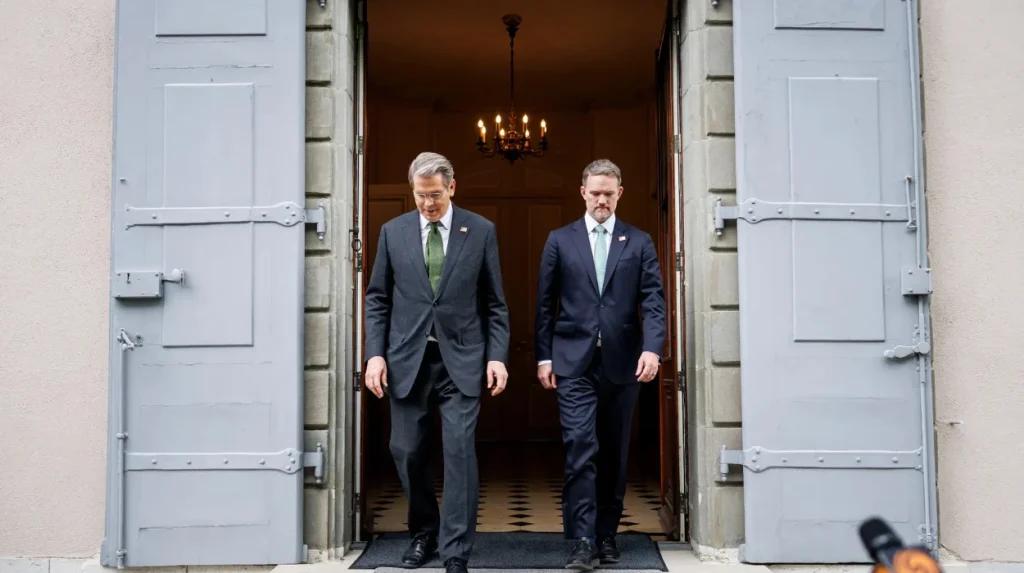
Following a full weekend of intense trade talks in Geneva, Switzerland, where representatives from the two biggest economies in the world praised “substantial progress,” the news was made in a joint statement.
According to the agreement, both parties acknowledge “the importance of a sustainable, long-term, and mutually beneficial economic and trade relationship.”
How will the 90-day tariff cut impact trade?
By May 14, the revised tariffs will be in effect. The 20% fentanyl-related taxes that US President Donald Trump levied on China in February and March will remain in place. But for ninety days, both parties have committed to reducing “reciprocal” tariffs on the other by 115 percentage points.
According to the joint declaration, China will reduce its duties on American imports from 125% to 10%, while the US will temporarily reduce its total taxes on Chinese goods from 145% to 30%.
Additionally, it stated that the two parties decided to set up “a mechanism to continue discussions about economic and trade relations,” with US Trade Representative Jamieson Greer, US Treasury Secretary Scott Bessent, and Chinese Vice Premier He Lifeng serving as its leaders.
According to the parties’ agreement, these talks might take place in China, the US, or a third nation alternatively. Working-level meetings on pertinent trade and economic topics may be held between the two parties as needed,” it continued.
“Both delegations agree that neither side wants to be decoupled, and what happened with these extremely high tariffs…was an embargo, and neither side wants that,”
Bessent stated during a news conference on Monday in Geneva. We do desire trade. We desire more trade balance. And I believe that both parties are dedicated to making it happen.
Why are global markets reacting so positively now?
Investors across the world are applauding a thaw in the trade war that US President Donald Trump started with his huge tariffs, which have raised worries of a recession, disrupted supply lines, and roiled financial markets.
During Asian afternoon trade, Dow futures surged more than 2%, S&P 500 futures increased by over 3%, and the tech-heavy Nasdaq Composite futures increased by more than 3.5%. Asian markets also saw increases, with the Hang Seng index in Hong Kong rising by over 3%.