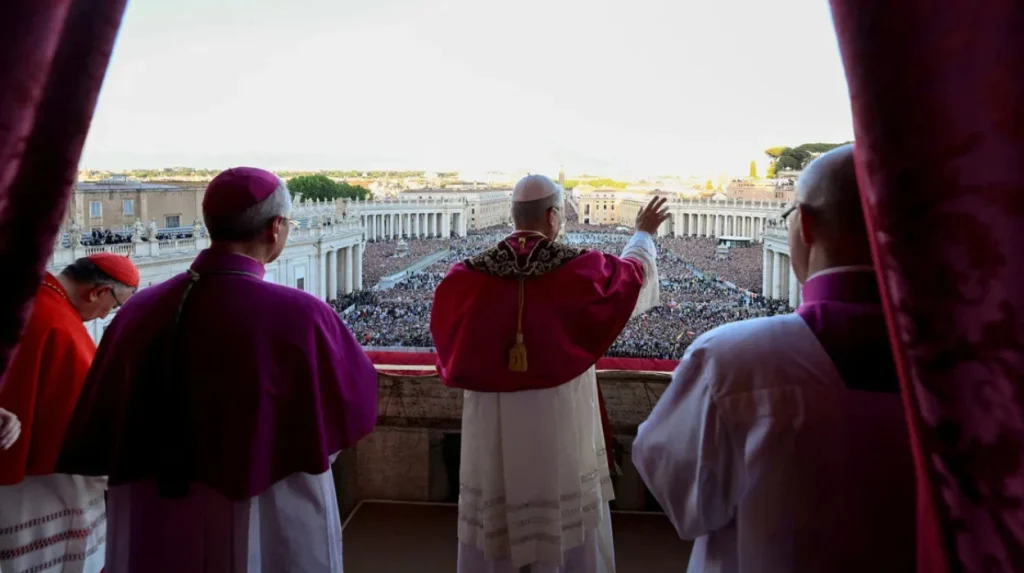
The Holy Spirit’s whims are superior to the wisdom of multitudes. Many, including the allegedly unbiased online betting services Polymarket and Kalshi, were taken aback by the ascent of the first American pope this week. The websites, which let users place bets on the results of certain events, call themselves “prediction markets” on the grounds that they are often better at predicting outcomes when there is money at stake.
Although they have had some success—most notably, they outperformed conventional polls in their prediction of Donald Trump‘s victory in the 2024 election—the market for betting on the next pope was caught off guard when the conclave elected Robert Prevost, a Chicago native who is currently Pope Leo XIV. Both Kalshi and Polymarket rated Prevost as a long shot prior to the white smoke rising, with odds ranging from 1% to 2%, meaning that a small number of gamblers who placed bets on Prevost made significant profits. The public ledger on Polymarket shows that one user made $63,683 from a wager of just over $1,000.
You may bet on almost anything in betting markets, which have a mixed track record of “predicting” results. They made a notable mistake in 2016, when the “smart money” predicted that Hillary Clinton would defeat Donald Trump and that British voters would reject “Brexit,” even though they accurately predicted the 2024 election.
This week’s significant fail for the conclave markets illustrates the limitations of their forecasting abilities. There are hundreds of data points on specific players, team statistics dating back decades, and a plethora of knowledgeable commentary from experts in the field when it comes to sports betting. At the national level, polling and voter data are almost limitless, yet political winds may be erratic. The information is far more limited in pope betting.
Given that they only receive data points every ten or so years, the papal conclave markets are among the ones that should be the least calibrated. Additionally, the procedure is far less transparent than practically any other political choosing procedure. No autobiographies that reveal everything, even after the event.
Naturally, market players could not assess the dynamics within the Sistine Chapel from the outside. The only thing that any of us ordinary folks could do was watch “Conclave” and presume that there would be a lot of drama and shifting allegiances based on the film. There are no instruments to gauge what Catholics perceive to be the spirit of God influencing the cardinals’ decision, even in a highly liquid market, which crowd-wisdom theory suggests should be more accurate.