Press Release
For Immediate Release
May 2, 2025
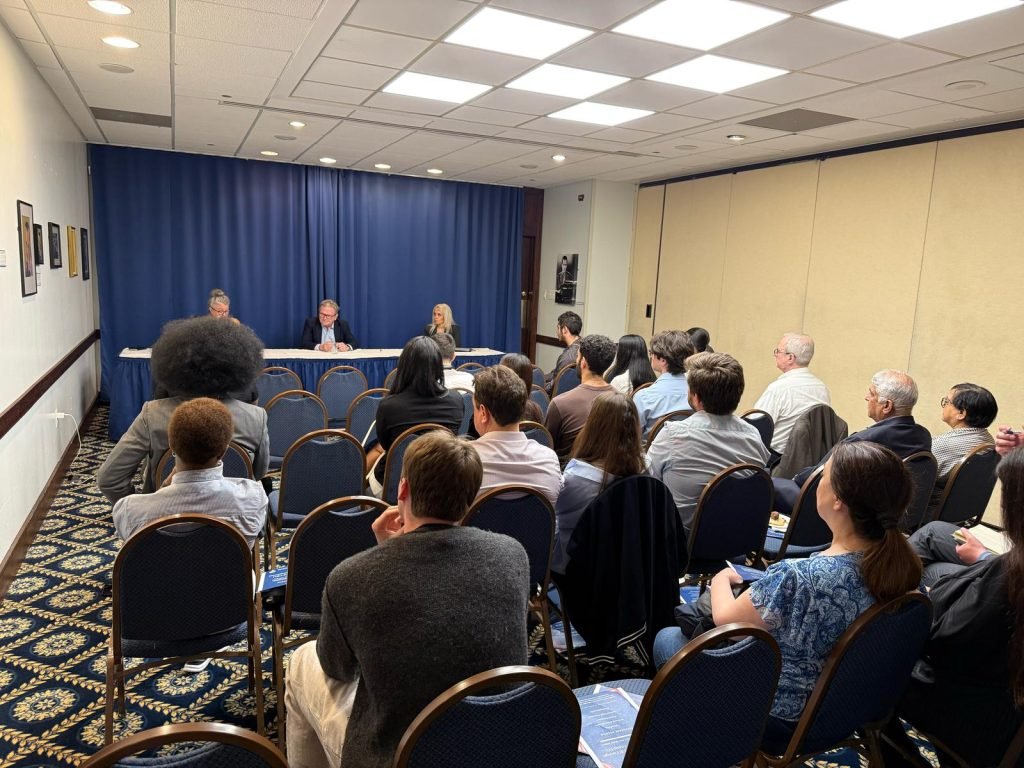
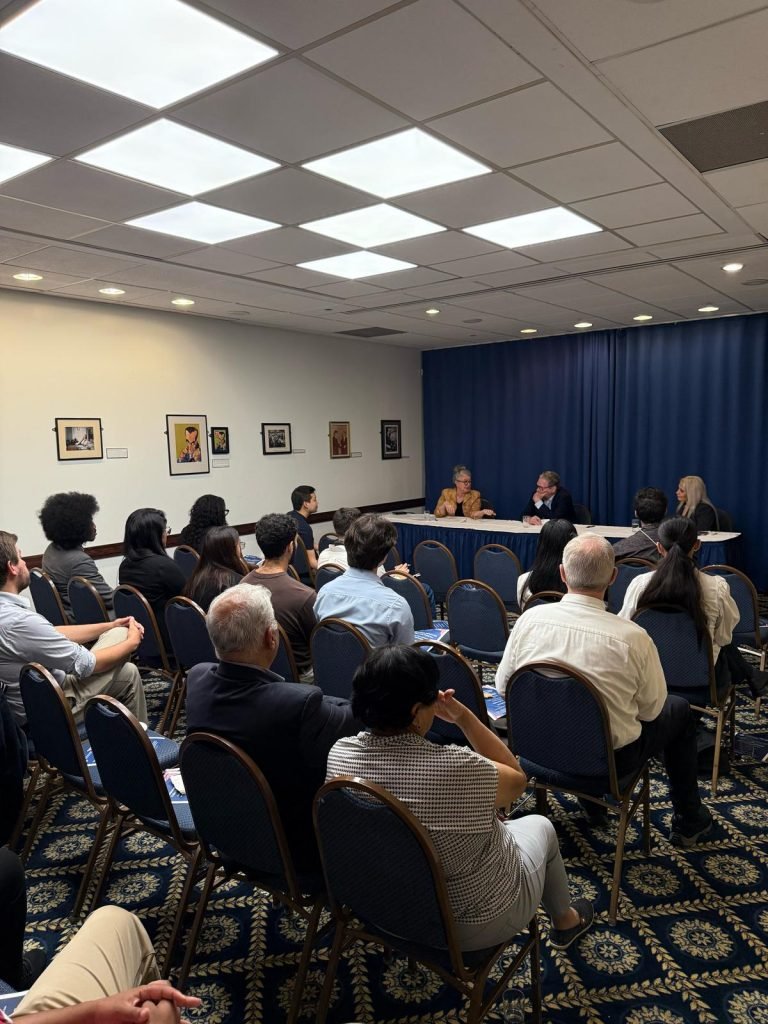
Washington, D.C. — On Thursday, May 1, 2025, the New York Center for Foreign Policy Affairs (NYCFPA) convened a powerful and timely panel discussion at the National Press Club titled “Humanitarian Aid & Foreign Policy in the Trump Era: Challenges, Ethics, and Global Impact.” The event brought together leading voices from the humanitarian, academic, and policy sectors to critically examine the consequences of the Trump administration’s evolving foreign aid strategy and its broader impact on U.S. global leadership.
Moderated by Emily Ekshian, NYCFPA’s Media Affairs Officer, the panel featured Christine Knudsen, Vice President of Humanitarian Policy at InterAction, and Dr. Sean R. Roberts, Associate Professor at George Washington University’s Elliott School of International Affairs.
The discussion opened with reflections on the Trump administration’s significant restructuring of U.S. foreign assistance—including the 90-day aid freeze and deep budget cuts to humanitarian programs. Panelists underscored the immediate operational disruptions and long-term erosion of trust that these changes triggered across humanitarian networks.
Dr. Roberts highlighted how such restructuring has disproportionately harmed minority and Indigenous communities, particularly in regions reliant on U.S.-funded governance and development programs.d.
The panel also explored the growing vacuum left by U.S. disengagement and the rising importance of local leadership in directing aid delivery. Knudsen discussed how local NGOs and frontline actors are increasingly setting agendas, often without the technical or financial backing they once had. This shift, while empowering in some respects, places unsustainable burdens on grassroots networks.
As foreign assistance becomes increasingly politicized, NGO coalitions such as InterAction face new pressures to maintain impartiality and navigate ethical dilemmas in high-risk environments. Knudsen emphasized the need for stronger safeguards and coordination to ensure that reduced U.S. funding does not jeopardize the principles of neutrality and independence in aid.
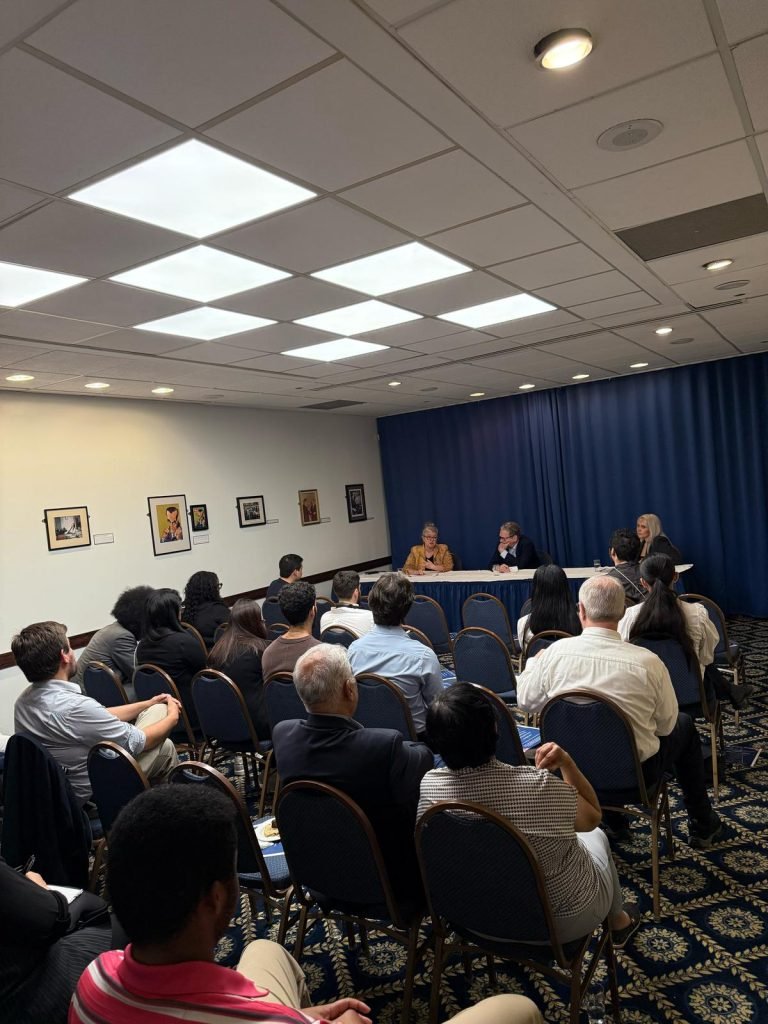
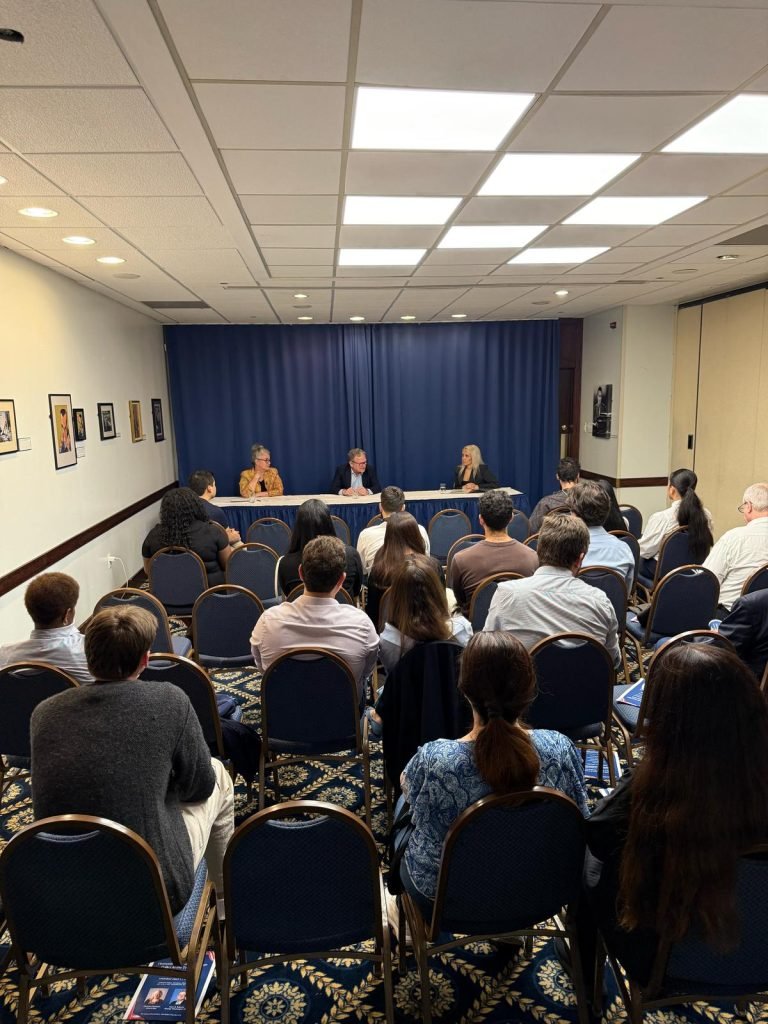
A key geopolitical concern addressed by Roberts was the strategic vacuum created by U.S. retrenchment. He warned that diminished U.S. engagement in development diplomacy – particularly in regions targeted by China’s Belt and Road Initiative – may result in the U.S. losing its soft power edge.
The event concluded with a forward-looking discussion on rebuilding trust in U.S. humanitarian policy. Panelists offered cautious optimism about opportunities to reinvigorate U.S. leadership through multilateral cooperation, increased transparency, and renewed investment in human rights-based approaches.
The event was part of NYCFPA’s ongoing series spotlighting critical inflection points in U.S. foreign policy. As debates over aid, ethics, and geopolitical leadership intensify, NYCFPA remains committed to fostering dialogue that advances principled, informed, and inclusive policy.
Media Contact:
Emily Ekshian
Media Affairs Officer
New York Center for Foreign Policy Affairs