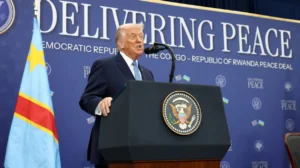
Since President Donald Trump‘s inauguration, Saudi Arabia has emerged as a focal point in several of his bold foreign policy and geopolitical initiatives, including hosting discussions between U.S. and Russian officeholders, and encouraging talks both for a ceasefire and a beneficial minerals agreement in Ukraine.
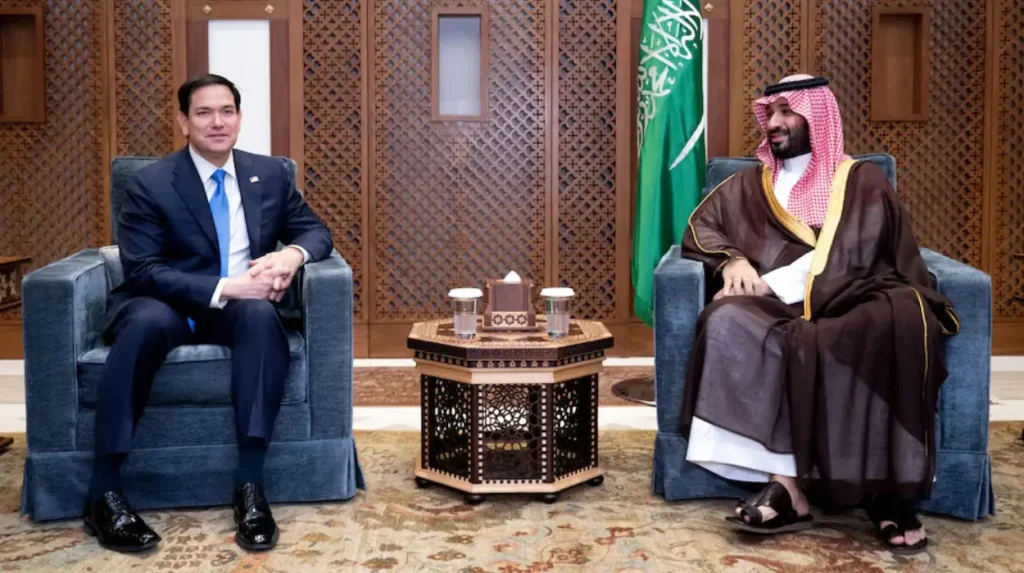
Trump turned to Saudi Arabia, led by his close ally Crown Prince Mohammed bin Salman, to act as a friendly yet neutral mediator in his efforts to reestablish U.S. relations with Russia and secure access to Ukraine’s minerals, oil and gas reserves. Recently, Trump announced that he will visit Saudi Arabia next month on the first foreign tour of his second term — a visit he stated would include completing an arrangement to have KSA invest upward of $1 trillion in the American economy.
The move by the president to have the kingdom assist in mediating the high-stakes talks stems in part from Mohammed’s links to Russian President Vladimir Putin, but it also pledges to restore the connection the president and crown prince developed during Trump’s first period.
Both Mohammed and Trump have praised a more transactional manner of diplomacy, depending less on principles or partnerships and instead utilising multibillion-dollar trade and investment agreements to cement ties with other countries. Trump covered Mohammed from scrutiny after the CIA figured that he planned the assassination of journalist and Washington Post contributing columnist Jamal Khashoggi in 2018.
When Trump discusses a normalisation agreement between Israel and Saudi Arabia, an initiative started during his first term is currently paused due to the war in Gaza. He underscores the economic prosperity that such an accord could bring to the Middle East.
Experts argue that with Trump becoming president again, he’s really pushed Saudi Arabia right into the center of things. The KSA has already profited greatly from Trump’s second presidency, but the crown prince’s initiative to enhance power around the world has been a long time in the making.
KSA has the world’s second-largest proven crude oil reserves, and the crown prince has utilised his role to facilitate mega projects, including projects for a vertical municipality that operates on clean energy, while engaging sports federations and holding high-profile economic and political discussions.
He maintained relations with Putin despite U.S. measures to make the Russian leader an outcast, and ultimately allowed promote high-profile prisoner dealings between the USA and Russia. Within Saudi Arabia, monarchy supporters view the Trump administration’s backing of the kingdom as a reaffirmation of the crown prince’s ambition to modernise the nation and expand its influence.
Shifts in regional politics have also benefited the kingdom. Years of turmoil and economic decline have weakened traditional centers of power in the Middle East, including Egypt, Syria, and Iraq. Saudi Arabia was happy to fill the leadership gap created by those shifts.
Saudi Arabia remains deeply autocratic, however, and many dissidents swept up in security crackdowns remain imprisoned. During the past year, the government executed 345 people, the highest number in decades, according to the human rights group Reprieve.
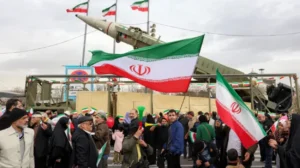
It’s unclear whether the conflicts swirling around the kingdom will derail Mohammed’s plans because of the volatile region Saudi Arabia exists today. As peace discussions on Ukraine persist in Jeddah, conflicts closer to home are growing. Following the breakdown of the ceasefire agreement, intense Israeli assaults on Gaza have resulted in hundreds of fatalities. Meanwhile, in Yemen, the U.S. has persisted in bombing sites it claims are associated with the Iranian-supported Houthis. Additionally, Trump has persistently warned Iran of potential military action should its leaders fail to reach an agreement regarding their nuclear program.
Currently, the region’s conflicts in Gaza, Yemen, Syria, and Lebanon function as nuisances to Saudi Arabia’s goals. Although they have achieved notable successes, the environment is still perilous, as Trump’s threats to strike Iran may trigger a reaction against the kingdom or exacerbate regional instability.