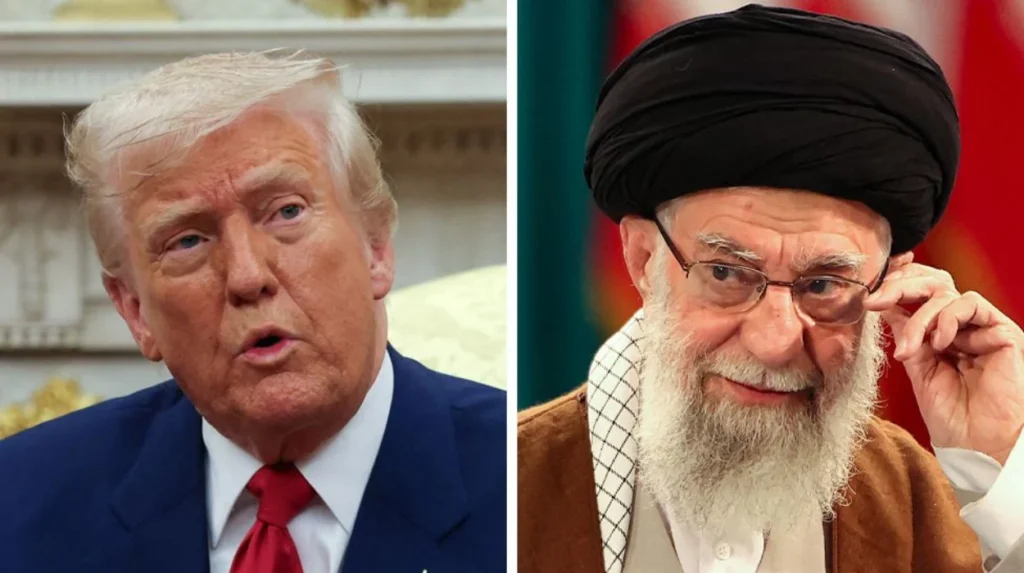
Trump’s energy threat has transformed the Iran talks into a process defined less by gradual compromise and more by the pressure of looming deadlines. Washington’s warning that Iranian energy infrastructure could be “obliterated” if a ceasefire is not reached soon has introduced a countdown dynamic that influences both diplomacy and military calculations. At the same time, the United States has pushed Tehran to reopen the Strait of Hormuz, where shipping disruptions since late February have reshaped regional risk assessments and global energy expectations.
This evolving pattern shows how negotiations are now intertwined with operational signals. Trump’s messaging has shifted from a 48-hour warning about possible strikes on power plants to temporary pauses and then renewed threats expanding potential targets to include oil wells, energy facilities and desalination systems. These changes reveal how the calendar of threats is influencing the diplomatic track, making time pressure as central as the content of any proposal.
The energy target set is strategically different
Energy infrastructure holds a unique position in state resilience and economic survival, which makes its inclusion in military planning especially consequential. The focus on oil export hubs, power generation systems and water production facilities signals a strategy aimed at maximizing leverage through systemic disruption rather than purely military degradation.
Why power and oil infrastructure matter
The infrastructure identified in recent discussions is central to Iran’s economy and daily functioning. Kharg Island, widely recognized as Iran’s primary oil export hub, manages a vast share of the country’s distribution network and represents a core component of revenue flow. When a target such as this becomes part of the strategic conversation, the consequences extend beyond battlefield dynamics into economic stability and governance capacity.
Other facilities mentioned in reporting—power plants, oil wells and desalination sites—also hold direct relevance to civilian life. Electricity shortages can disrupt hospitals, communication systems and water treatment networks, while desalination plants are essential in a region where freshwater supply depends heavily on engineered infrastructure. These factors explain why threats against such targets are interpreted not only as military signaling but as pressure on the state’s ability to sustain normal operations.
Oil markets are reacting immediately
Energy markets have responded quickly to these signals, reflecting how geopolitical tension in the Gulf translates almost instantly into global economic indicators. The Strait of Hormuz remains one of the most sensitive maritime corridors in the world, and any disruption in that passage introduces uncertainty about supply continuity. Reports in international coverage have noted sharp increases in benchmark oil prices as traders respond to the potential expansion of the conflict.
Market reactions suggest that investors are not waiting for formal escalation announcements. Instead, they are pricing risk based on rhetoric, naval activity and shipping disruptions already underway. When the prospect of strikes on energy infrastructure coincides with shipping instability, markets begin to treat the situation as a structural supply challenge rather than a temporary fluctuation. This dynamic reinforces the perception that energy itself has become both a bargaining instrument and a signal of escalation.
Tehran is responding in kind
Iranian officials have responded to Washington’s warnings with language that reflects a similar willingness to broaden the potential scope of retaliation. These responses demonstrate how quickly threats against infrastructure can shift the focus from localized confrontation to region-wide consequences.
Iranian threats to retaliate
Iranian military and political figures have indicated that attacks on domestic power infrastructure would provoke retaliation targeting energy facilities associated with U.S. partners in the region. Statements from senior officials have emphasized that damage to Iran’s energy system would not remain confined within its borders. One prominent warning suggested that regional infrastructure could face destruction “in an irreversible manner” if Iranian facilities were struck.
Such messaging aims to expand the perceived cost of military action. By highlighting the vulnerability of oil facilities and related infrastructure across the Gulf, Tehran is signaling that any strike would trigger consequences affecting multiple countries simultaneously. This approach reflects a strategic calculation that deterrence can be strengthened by demonstrating the interconnected nature of regional energy systems.
A ceasefire track that keeps shifting
Another notable feature of the negotiations is the shifting timeline associated with ceasefire proposals. Reports indicate that initial deadlines tied to reopening the Strait of Hormuz were extended and adjusted multiple times. At one stage, a 48-hour ultimatum was followed by a later extension to early April, accompanied by a pause in planned operations after what Trump described as a request from Iranian representatives. Subsequent statements then reintroduced urgency, suggesting the ceasefire should be achieved “shortly.”
Frequent adjustments to deadlines affect how both sides interpret intent. While revised timelines may provide space for negotiation, they also create uncertainty about whether threats are imminent or primarily intended as leverage. This dynamic can keep diplomatic channels open, yet it also increases unpredictability because each extension simultaneously signals caution and continued pressure.
Mixed messaging reflects a divided strategy
The communication strategy emerging from Washington suggests an effort to balance coercion with reassurance. Public messaging from the administration emphasizes diplomatic engagement even as operational signals highlight the possibility of escalation.
The White House frame
White House officials have maintained that diplomatic efforts remain active and constructive. Press Secretary Karoline Leavitt stated that the administration believed it was “very close” to achieving its core objectives and that negotiations were continuing. Such statements are designed to convey control over the process while reassuring regional partners that a political solution remains within reach.
However, the coexistence of diplomatic assurances and threats against critical infrastructure introduces a strategic contradiction. When both messages appear simultaneously, observers interpret the approach as an attempt to strengthen bargaining leverage through visible pressure. While this method has historical precedent, its application in a context involving energy systems and civilian infrastructure raises additional concerns about escalation risks.
Iran’s “exit ramp” and the trust gap
Reports have suggested that U.S. officials believe Iran may be searching for an “exit ramp,” a pathway that allows de-escalation without appearing to concede under pressure. At the same time, Iranian representatives have rejected proposals attributed to Washington as “excessive, unrealistic, and irrational.” These opposing interpretations illustrate the persistent trust deficit that defines the negotiations.
For diplomacy to function under pressure, both parties must believe that coercive signals are temporary and bounded. When rhetoric centers on the potential destruction of energy grids or water facilities, it becomes more difficult for Tehran to view the talks as a conventional negotiation. The language of infrastructure targeting introduces a perception that the objective may be compliance through systemic disruption rather than negotiated compromise.
2025 left a more dangerous baseline
The current confrontation cannot be separated from the events that unfolded during 2025, which reshaped expectations across the region and reinforced skepticism about the durability of diplomatic pauses.
The war’s longer shadow
The escalation cycle of late 2025 left the Middle East more militarized and less confident that negotiations can proceed without parallel confrontation. Airstrikes, proxy engagements and maritime disruptions increasingly occurred alongside diplomatic exchanges rather than pausing for them. That experience now influences how both Washington and Tehran interpret each new warning or proposal.
This legacy also explains why regional actors have become more actively involved in diplomatic coordination. Countries such as Pakistan, Saudi Arabia, Egypt and Türkiye recognize that energy routes, maritime security and trade flows are directly affected by developments in the Gulf. Their engagement reflects an effort to prevent escalation from expanding beyond bilateral confrontation into a wider regional crisis.
As the pressure surrounding Trump’s energy threat continues to shape negotiations, the evolving dynamic suggests that diplomacy is now operating within a narrower margin for error. Each new warning, market reaction or regional response alters the environment in which decisions are made. Whether the next phase leads toward stabilization or deeper confrontation may depend less on the immediate language of threats and more on whether both sides still believe that negotiation can function as a tool to prevent the conflict from crossing a threshold that would transform economic pressure into irreversible damage across the region’s interconnected energy systems.