Is there a comprehensive Middle East strategy being developed by US President Donald Trump’s advisers, or are they responding in an ad hoc fashion to the fires burning in the region? This significant issue has emerged following the White House’s recent choice to execute air strikes on the Houthis, a militia aligned with Iran Yemen, for their involvement in assaults on Red Sea shipping and Israel. However, the resolution to this inquiry will have consequences that extend well beyond Yemen.
It appears that the US strikes against the Houthis that began on March 15 are intended to accomplish multiple objectives. The primary objective is to stop the group’s attacks on shipping and Israel. US Secretary of Defense Pete Hegseth expressed this goal during an interview stating, “When the Houthis stop their attacks, we will stop.”
However, US officials have stated that they consider Iran—who has armed and trained the Houthis and supplies them with intelligence on ship activities—responsible for the Houthi attacks. According to Trump himself, Iran may pay a price, possibly even a military strike against Iran itself, if the Houthis remain stubborn and refuse to back down.
Moreover, The assaults on the Houthis reinforce Trump’s subtly expressed caution that unless progress occurs in curbing and reversing Iran’s nuclear developments, indicating that Iran is on the brink of nuclear weapons development. There is a possibility that the United States, Israel, or both might carry out devastating military strikes against Iran’s nuclear facilities.
The Trump administration aimed to reinforce its readiness to target Iran’s nuclear program through joint air exercises with Israel, featuring a US B-52 bomber capable of delivering munitions designed to breach Iran’s underground nuclear sites—and Israeli F-15I and F-35I aircraft “practiced operational coordination . . . to enhance their ability to address . . . regional threats.” As a result of Israel destroying Iran’s most advanced air defense systems in October 2024, Iran’s ability to counter a US-backed Israeli attack has been substantially diminished.
By silencing Houthi missiles and drones, the US can reduce the threat from Iran’s proxy militia that is the most active against US and Israeli interests since Hamas and Hezbollah—Both sides, significantly weakened by Israeli military victories, consented to cease-fires with Israel. Nevertheless, the Hamas conflict has reignited since then.
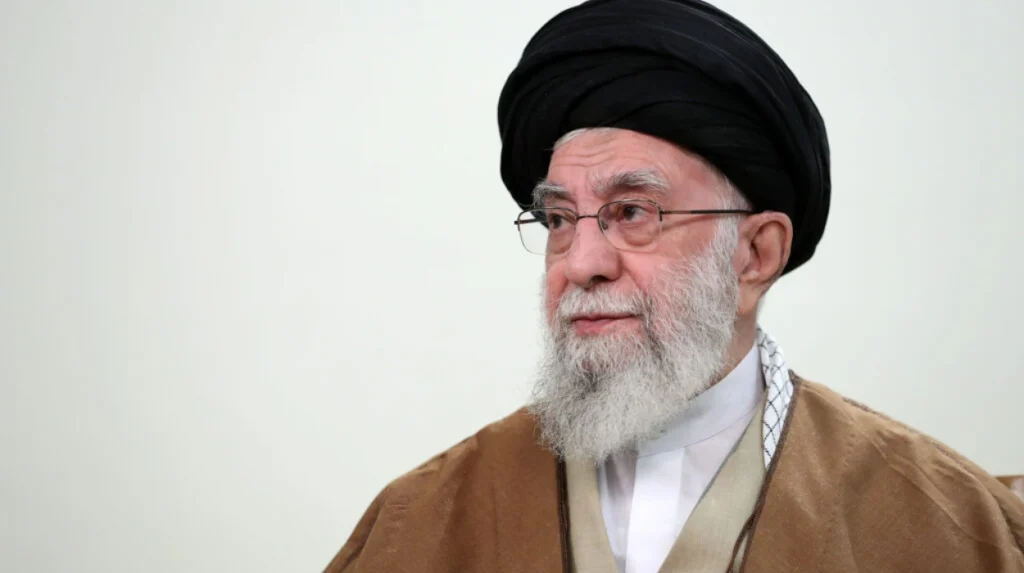
The US display of strength against the Houthis, coupled with a warning to Iran that it might be next, seems designed to bolster Trump’s objective of prompting Tehran to negotiate its nuclear program and curb its destabilizing activities in the region. The campaign against the Houthis began just over a week after Iran’s Supreme Leader, Ayatollah Ali Khamenei, declined Trump’s offer to enter negotiations. It also follows the Houthis’ threat last week to resume attacks on Israeli ships in the Red Sea in retaliation for Israel’s cut off of aid to Gaza.
Iran is also being squeezed economically by the United States’ renewed “maximum pressure” sanctions campaign against the country’s already struggling economy and promises to enforce them vigorously. For instance, the Trump administration plans to eliminate loopholes in the sanctions against Iran by targeting the network of phantom vessels and secondary firms that China and Iran have created over the past four years to bypass sanctions on Iranian oil shipments to China. In addition to providing a lifeline for Iran’s economy, oil sales to China have helped the regime resist pressure to compromise on its nuclear program.