The New York Center for Foreign Policy Affairs (NYCFPA) is calling on the United States Congress to take urgent action to help end the escalating conflict in the Gulf region and prevent further destabilization caused by the current war policies associated with the administration of Donald Trump.
Over recent weeks, U.S. partners across the Gulf including Qatar, Saudi Arabia, and the United Arab Emirates have endured repeated missile and drone attacks launched by Iran and its affiliated forces. These attacks have targeted critical energy infrastructure and civilian facilities, pushing the region dangerously close to a wider war. International observers have warned that the strikes have already damaged key energy installations, including Qatar’s LNG facilities, causing serious disruptions to global energy markets and raising fears of broader economic consequences.
NYCFPA warns that the current trajectory of the conflict demonstrates the fragility of the existing U.S. security architecture in the Gulf. Despite decades of American military presence and defense cooperation with regional partners, recent attacks have exposed significant vulnerabilities and raised questions about the effectiveness of Washington’s deterrence strategy.
“The United States must urgently reassess its approach,” said Emily K. Johnson, Senior Policy Director at the New York Center for Foreign Policy Affairs. “The current war is proving strategically unsustainable and dangerously destabilizing. Continued escalation risks dragging the entire Gulf region into a prolonged and unnecessary conflict.”
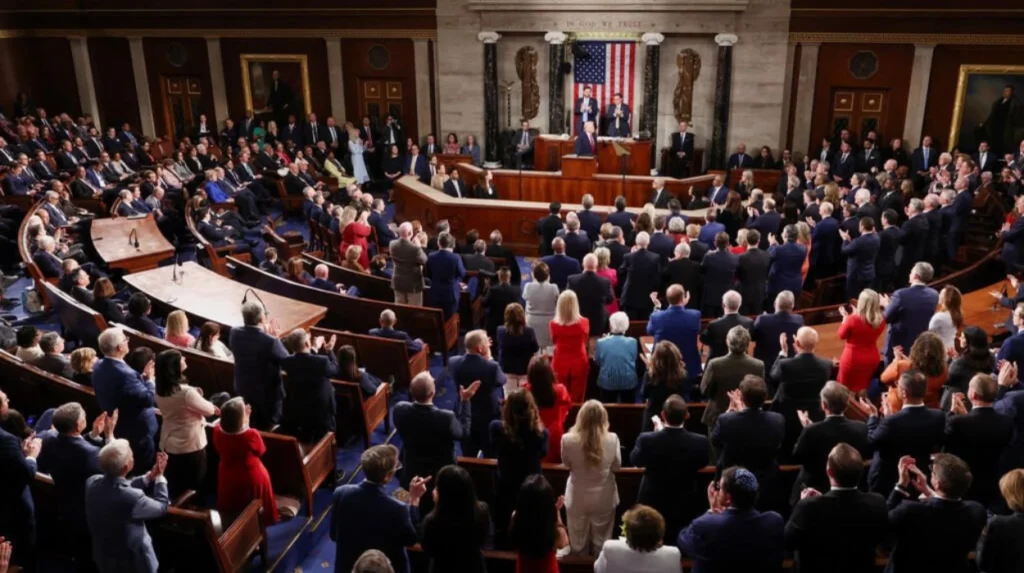
NYCFPA is urging the leadership of the United States Senate Committee on Armed Services and the United States Senate Committee on Foreign Relations to immediately convene hearings and examine the administration’s strategy in the region.
The Center specifically calls on committee leaders Jack Reed and Jim Risch to use congressional oversight powers to push for an urgent diplomatic solution to the crisis.
NYCFPA believes Congress should actively encourage Qatar to take a leading mediation role between Washington and Tehran in order to halt hostilities immediately. Qatar has historically maintained communication channels with Iran and has previously helped de-escalate regional crises through diplomatic outreach and mediation efforts.
“At a moment when direct communication between adversaries is collapsing, Qatar remains uniquely positioned to serve as a bridge for diplomacy,” Johnson said. “Congress should encourage and support a Qatari-led mediation effort aimed at securing an immediate ceasefire and preventing further destruction.”
While advocating for diplomacy, the Center strongly condemns Iran’s aggressive actions against Gulf states. Iranian missile and drone strikes against neighboring countries represent a grave violation of international law and threaten the sovereignty and security of the region. The United Nations Security Council has already condemned Iran’s attacks on multiple Gulf countries as part of the escalating regional conflict.
NYCFPA warns that if the war continues unchecked, the consequences could extend far beyond the Middle East. The Gulf region remains the world’s most critical hub for energy production and maritime trade, with a significant share of global oil and liquefied natural gas passing through the Strait of Hormuz each day. Disruptions in this corridor could trigger severe shocks to global energy markets and economic stability.
“The Senate must act before this conflict spirals further out of control,” Johnson concluded. “Congress has both the authority and the responsibility to push for a diplomatic path forward. Empowering Qatar to mediate and ending this pointless war must become an urgent priority.”
NYCFPA reiterates its commitment to promoting policies that advance responsible diplomacy, regional stability, and long-term international security.