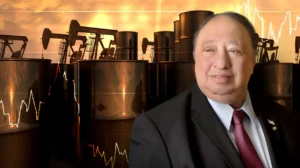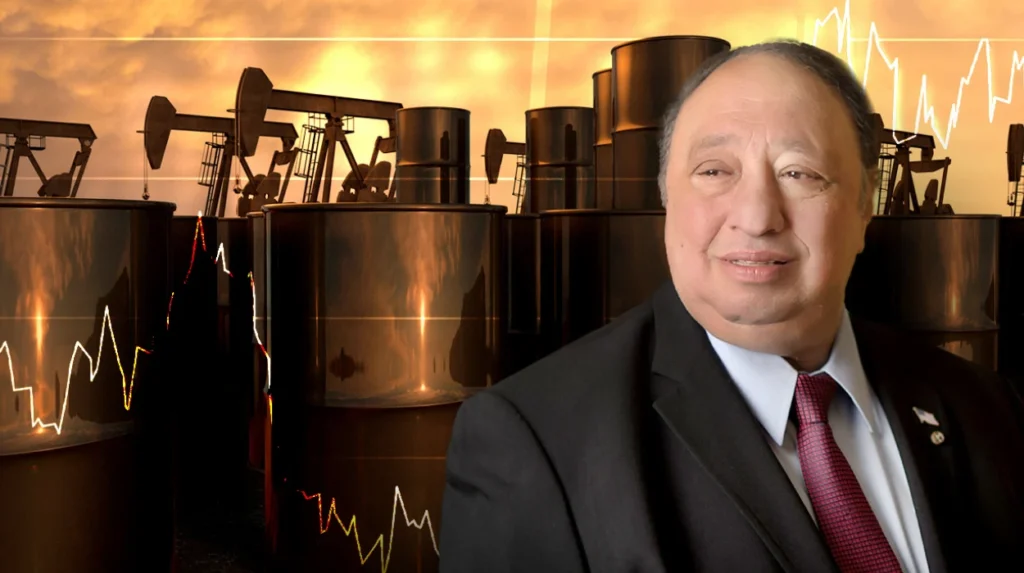
The term temporary pain, permanent shift has become a slogan term in the debate on the recent US-Iran confrontation and its consequences to the world energy markets. This is the orientation which businessman and oil refiner John Catsimatidis has taken in the public presentation of the crisis, by insisting that the current short-term impacts of oil supply and higher fuel prices are a solvable cost in the larger strategy of strategic reposition against Iran.
In an interview on financial television and radio in early 2026, Catsimatidis called allied and recent U.S. attacks on Iranian infrastructure as having decimated that nation, stating that Tehran now has a steep cost on a decades-long battle against Washington and its allies. His statements are indicative of a theory that is popular among certain policy makers and industry players that short-term economic instability can be used as a precursor to a more lasting geopolitical change.
Such a view does not consider the events of energy shocks as mere market occurrences but as tools in a larger strategic game. Persuading that oil price volatility is only a short-term issue, policy advocates believe that military or political action against Iran should not be discouraged by such factors. The fundamental assumption is that with the release of tensions and the reopening of the shipping lanes, the energy markets will stabilize as the strategic environment of the Middle East might change in the manner beneficial to the U.S. interests.
Oil market volatility and the scale of economic disruption
The reaction of energy markets to the situation between Washington and Tehran was negative. Iranian threats to shipping in the Strait of Hormuz, where about a fifth of world oil deliveries usually flow, were the center of international attention as they caused uncertainty in the commodity markets.
Rising crude prices and fuel costs
In reaction to the confrontation, benchmark crude prices shot up, and international oil markets were registering some of the most extreme daily returns since the early months of the war in Ukraine. At some point, the world crude markets were increasing more than nine percent in a single trading session as it indicated the panic that any form of disruption of the Gulf exports would shut millions of barrels of supply out of the world market.
Gasoline prices in the United States were increasing at a high pace. At the beginning of March 2026, the average prices of pumps had risen by almost sixty cents per gallon since the end of February. Areas where imports of refined products were high recorded even greater growth, increasing the effect of inflation and pressure on cost of living, further heightening societal anxieties.
Catsimatidis assumed that the crude would be able to reach the symbolic mark of 100 per barrel in the nearest future but presumed that it would not be sustained. As of his estimations, it would take forty five to sixty days in oil markets to stabilise once the shipping traffic through the Strait of Hormuz returns to normal patterns.
Broader supply chain effects
Ripple impacts of energy disruptions greatly spread beyond gasoline markets. The aviation fuel prices escalated dramatically in the initial weeks of the crisis, and the jet fuel prices went up by almost fifty percent in a brief spell. The airlines answered by changing the prices of the tickets and revising their capacity plans, with logistics companies threatening to increase the cost of shipping.
Agricultural industries were not an exception. The energy used in the production of fertilizer is very high, and any interruption in natural gas and oil markets normally results in the increasing prices of farmers. Gulf producers also threatened that the further instability in maritime shipping routes would affect the world food production cycles.
These economic spillovers demonstrate how a disruption in energy moves very fast outside the fuel markets and into wider causes of inflation. Although the price spikes may be short-term, the economic impact of such an immediate shock on consumer sentiment and the business investment can be noticed.
Strategic calculations behind the hardline approach
Supporters of a tougher approach toward Iran view the energy turbulence as a necessary byproduct of a broader geopolitical effort. Within this framework, economic pressure on Tehran is expected to weaken its ability to sustain regional influence and military operations.
The Trump administration’s escalation strategy
The second term of President Donald Trump has also taken a confrontational stance on Iran with military attacks coupled by economic sanctions and verbal attacks to force Iran to make strategic concessions. In his posts on social media and when making campaign-style appearances, Trump threatened that further attacks might happen unless Tehran yielded to what he referred to as unconditional surrender.
This kind of wording reflects the previous stages of the American pressure campaign against Iran, but now the conflict takes place in a geopolitical environment that is more complicated. The administration has attempted to frame the strikes as being within the wider process of redefining the security dynamics within the region.
This message has been repeated by a number of Republican legislators. According to Senator Kevin Cramer, the strikes sent a message to other powers that the United States is ready to take some decisive actions in an effort to safeguard its interests. The argument by Senator Lindsey Graham on the same note stated that the unity of the West would enhance the credibility of the pressure campaign.
Catsimatidis hailed the business side of the administration and likened the leadership of Trump to a corporate leader who was ready to make short term losses in order to make long term profits.
Iran’s response and continued resistance
The Iranian leadership has opposed the fact that the conflict will lead to quick strategic concessions. After the escalation, Tehran indicated that it would respond by attacking U.S. interests and regional allies that had American troops.
Reports by the new leadership in the country have stated that Iran would continue to pressurize sea routes and military bases unless Washington changed its demands. Iranian officials also proposed that blocking or interfering with the Strait of Hormuz could also be in their plan as long as the hostilities were ongoing.
The reactions make the schedule of the advocates of the temporary pain, permanent shift thesis difficult. Although the initial military action has the potential to undermine the Iranian capabilities, the nation still has various asymmetric weapons that could further extend the instability to the rest of the region.
International reactions and hedging strategies
World response to the energy crunch indicates how tricky it is to handle energy shocks in a geopolitical space that is interconnected. The U.S. and its allies, its opponents, and the neutral countries have taken various approaches to the growing conflict.
European caution and calls for de-escalation
European governments have expressed concern about the economic consequences of prolonged instability in the Gulf. Germany, France, and the United Kingdom have called for renewed diplomatic engagement aimed at preventing further escalation.
While these countries maintain security partnerships with the United States, they have largely avoided direct participation in military operations against Iran. Their priority remains protecting maritime trade routes and preventing disruptions to energy supplies reaching European markets.
France deployed additional naval vessels to safeguard shipping in the region, emphasizing defensive operations rather than offensive participation. Italy and other European states similarly advocated de-escalation while supporting international maritime security initiatives.
Gulf states navigating economic risks
Regional governments face a particularly delicate balance. Energy exporters such as Qatar and the United Arab Emirates benefit from high oil prices in the short term but worry about long-term disruptions to shipping infrastructure and investor confidence.
Qatar’s energy minister warned that prolonged instability in the Strait of Hormuz could push oil prices toward $150 per barrel, underscoring the strategic importance of maintaining safe maritime routes. Gulf governments have therefore encouraged rapid diplomatic solutions even while cooperating with U.S. security initiatives.
These regional calculations demonstrate that even states benefiting from high energy prices remain wary of uncontrolled escalation.
Domestic political pressures and economic resilience
The economic impact of rising fuel costs has also influenced political dynamics within the United States. Polling data in early 2026 suggested growing public unease about the economic consequences of the confrontation with Iran.
Higher gasoline prices intensified existing concerns about inflation and household spending. Surveys indicated that a majority of Americans believed global tensions were contributing to economic instability, raising questions about how long public support for the strategy might endure.
Catsimatidis attempted to reassure consumers by stating that his own refining operations had not raised prices beyond global market trends. He argued that energy producers were responding to international supply constraints rather than exploiting the crisis for profit.
At the same time, he emphasized the need for greater investment in domestic refining capacity. According to his argument, expanding American energy infrastructure would reduce vulnerability to future disruptions and strengthen national resilience during geopolitical crises.
Business interests and policy advocacy
Catsimatidis holds a niche place in the discussion since his business affairs are directly involved in the energy market operation which is influenced by geopolitical tensions. Being the owner of United refining and hundreds of retail fueling stations, his commentary to the public has both economic and strategic attributes.
In a consistent argument, he has stated that enhancing the domestic production of energy must always be a part of national security policy. On his part, increasing the refining capacity and continuing the intense pressure on its opponents can augment the geopolitical strength of the United States.
This view goes hand-in-hand with more general arguments of some industry leaders who consider energy independence to be a strategic asset. They claim that the national production along with the aggressive international policy may help decrease the impact of competitors in the energy export market in the long term.
Still critics observe that long term turmoil in the world markets is also capable of breeding unforeseen effects to both consumers and businesses.
Energy shocks and the broader geopolitical wager
The controversial question of temporary pain, permanent shift is, in a deeper way, the problem of interaction of economic shock with a geopolitical strategy. Such energy markets tend to be swift to political developments, but shorter-term outcomes are determined by how states cope with the new situations.
The Clash of Washington and Tehran describes the interrelationship between military interventions, market forces, and diplomatic interventions in determining the path of the world-energy systems. Energy price volatility can be reduced as soon as maritime routes stabilize, but the strategy of the Gulf energy flows may be unclear during several years.
It is uncertain whether the crisis will lead to the geopolitical transformation on the long-term basis anticipated by Catsimatidis or if it is another series of turmoil. What is clear is that today energy markets are playing in a geopolitical environment where there is an amalgamation of strategic computations, market anticipations and domestic political compulsions with the policymakers and investors alike keeping a close eye with the question of whether the temporary derailment is indeed an irreversible process.