Iran has slipped into an uneasy calm following weeks of mass protests that triggered one of the bloodiest crackdowns since the 1979 Islamic Revolution. Streets in Tehran have returned to surface-level normalcy, shops have reopened, and daily life appears to have resumed. Yet beneath this calm lies a country traumatised by violence, repression, and fear.
The absence of visible protests does not reflect reconciliation or resolution. Instead, it suggests that the state’s overwhelming use of force—combined with a sweeping internet blackout—has succeeded, at least temporarily, in silencing dissent. As thousands remain detained and casualty figures continue to climb, hard-line figures within Iran’s ruling establishment are no longer disguising their intent: punishment, not reform.
Calls for death sentences signal regime panic
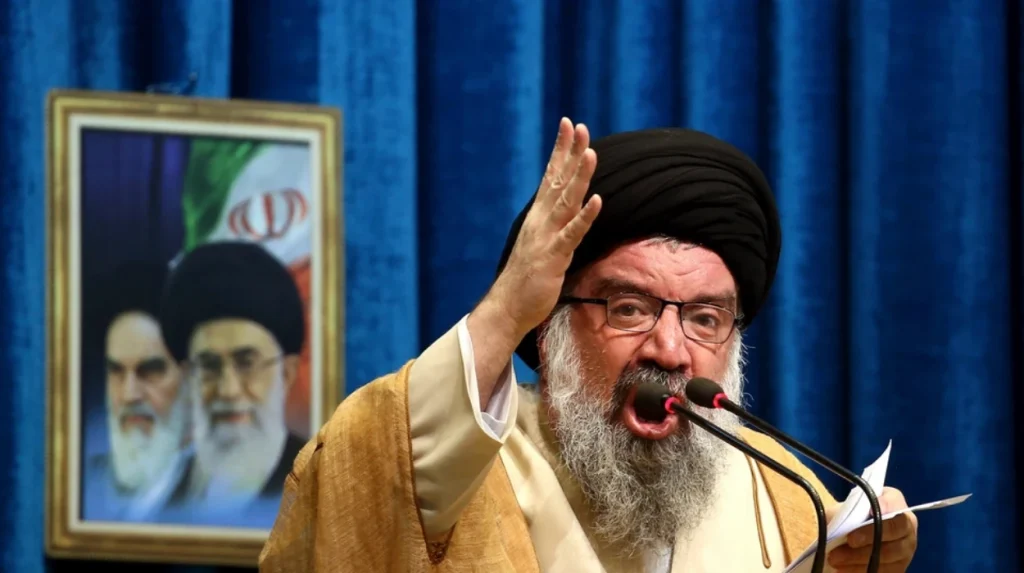
That intent was made explicit Friday when senior hard-line cleric Ayatollah Ahmad Khatami used a nationally broadcast sermon to demand the execution of detained protesters. Addressing worshippers during Friday prayers, Khatami framed demonstrators not as citizens with grievances, but as enemies of the state deserving death.
“Armed hypocrites should be put to death,”
chants rang out following his sermon—language that echoes Iran’s darkest periods of political repression. Khatami, a powerful figure who sits on both the Assembly of Experts and the Guardian Council, has long been associated with the regime’s most uncompromising positions. His speech reflected not confidence, but fury—and fear.
Why is Trump suddenly thanking Tehran?
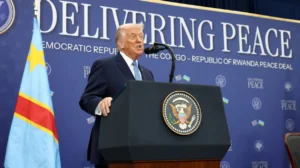
In sharp contrast, President Donald Trump adopted a notably conciliatory tone toward Iran. Speaking in Washington, Trump thanked Iranian leaders for allegedly halting the execution of hundreds of detained protesters, claiming that
“Iran canceled the hanging of over 800 people.”
Trump did not clarify how he obtained this information, whom he spoke to inside Iran, or whether such executions had ever been formally scheduled. Iranian authorities themselves have issued no confirmation.
More significantly, Trump’s remarks suggested a possible retreat from military escalation. He has previously identified mass executions and the killing of peaceful protesters as red lines that could trigger U.S. action. By publicly praising Iran for restraint—real or imagined—Trump appeared to signal that immediate intervention may no longer be on the table.
A crackdown that worked—at what cost?
The state’s strategy appears brutally effective. Protests that erupted on December 28 over Iran’s collapsing economy quickly evolved into a direct challenge to clerical rule. Demonstrators targeted symbols of the theocracy, including mosques, religious institutions, and homes of senior clerics.
Now, there are no visible protests in Tehran or elsewhere. The internet blackout, now more than a week old, has isolated the population from the outside world and disrupted coordination among activists. Security forces remain heavily deployed, and fear has replaced momentum.
Yet the human cost is staggering. The U.S.-based Human Rights Activists News Agency estimates that at least 3,090 people have been killed, making this the deadliest episode of unrest in modern Iranian history. While independent verification remains difficult, the agency has consistently provided reliable figures during previous crises. Iran’s government has refused to release official casualty data.
Clerical rhetoric turns outward, blames foreign enemies
Khatami’s sermon went beyond domestic repression and openly targeted foreign actors. He accused protesters of acting as “butlers” for Israeli Prime Minister Benjamin Netanyahu and “soldiers of Trump,” reinforcing a long-standing regime narrative that dissent is orchestrated from abroad.
This framing serves two purposes: delegitimising protests and justifying harsher violence as national defence. Khatami warned that both Israel and the United States should expect “hard revenge,” declaring that
“Americans and Zionists should not expect peace.”
Such rhetoric escalates tensions at a moment when regional and global powers are scrambling to prevent the crisis from expanding beyond Iran’s borders.
Diplomacy moves to contain a wider conflict
International actors have quietly stepped in to prevent escalation. Russian President Vladimir Putin held calls with both Iranian President Masoud Pezeshkian and Israeli Prime Minister Netanyahu, signalling Moscow’s concern over regional spillover.
Arab states have also sought to restrain Washington. According to diplomatic sources, senior officials from Egypt, Oman, Saudi Arabia, and Qatar warned Trump that military action against Iran would destabilise energy markets and inflame an already volatile Middle East.
Exiled opposition urges resistance from afar
From exile, Iran’s former Crown Prince Reza Pahlavi has attempted to keep the uprising alive. He urged the United States to intervene and reiterated his belief that Trump would honour earlier promises of support.
“Regardless of whether action is taken or not, we as Iranians have no choice but to carry on the fight,”
Pahlavi said, vowing to return to Iran and calling for renewed demonstrations.
Despite vocal support among monarchists in the diaspora, Pahlavi has struggled to gain traction inside Iran, where opposition remains fragmented and deeply wary of externally backed leadership figures.
Damage figures reveal protester anger toward the theocracy
In an unusual disclosure, Khatami released statistics on damage caused during the unrest. He claimed that 350 mosques, 126 prayer halls, and 80 homes of Friday prayer leaders were damaged, alongside hospitals, ambulances, and emergency vehicles.
While authorities framed this as proof of lawlessness, the targeting of religious and clerical institutions underscored how protesters increasingly associate Iran’s theocracy with repression and economic collapse.
Silence at home, outrage abroad
Although protests have been suppressed domestically, anger has erupted beyond Iran’s borders. Thousands of exiled Iranians and supporters have demonstrated across Europe, calling for accountability and international action.
Inside Iran, the internet blackout has forced some citizens to cross borders simply to communicate. At Turkey’s eastern province of Van, Iranians said they were travelling solely to bypass communications restrictions.
Others fled entirely. A Turkish businessman stranded in Tehran described hearing sustained machine-gun fire during the unrest, highlighting the intensity of violence that preceded the current silence.