For months, as the US military prepared to strike Venezuela, many Cubans have asked a simple yet chilling question: “Are we next?” Following the devastating strikes on Venezuelan military bases and the surgical apprehension of President Nicolás Maduro by US Special Forces, Cuba now seems to be in the Trump administration’s sights.
#Cuba denuncia y demanda URGENTE reacción de la comunidad internacional contra criminal ataque de E.U a #Venezuela. Nuestra #ZonaDePaz está siendo brutalmente asaltada. Terrorismo de Estado contra el bravo pueblo venezolano y contra Nuestra América.
— Miguel Díaz-Canel Bermúdez (@DiazCanelB) January 3, 2026
Patria o Muerte ¡Venceremos!
How is Cuba reacting to Maduro’s capture?
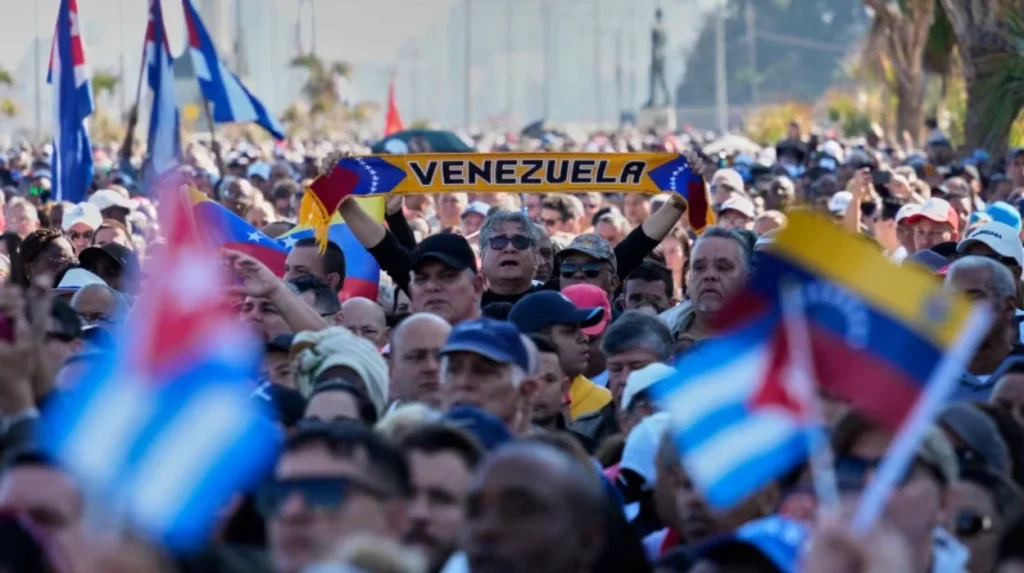
The arrest of Maduro signifies a shock to the Cuban communist regime, which has for years been dependent on massive economic packages supplied to it in kind by the Cuban South American petro-state for its very survival. The Cuban President, during a rally outside the USA Embassy in Cuba, vowed to resist the fall of the Cuba-Venezuela alliance.
“For Venezuela, of course for Cuba, we are willing to give even our own life, but at a heavy cost,” Díaz-Canel proclaimed.
Did Cuban citizens suffer during the US strikes?
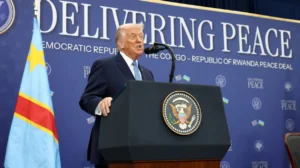
The attacks on Venezuela already came at a heavy cost for Cuba. President Donald Trump told the New York Post, “You know, many Cubans lost their lives last night. … They were protecting Maduro. That was not a good move.”
The Cuban government later reported that 32 Cuban citizens were killed while “performing missions on behalf of the Revolutionary Armed Forces and the Ministry of the Interior” in coordination with Venezuela. Two days of national mourning were declared.
What role did Cubans play in Maduro’s security?
Maduro’s arrest uncovered what had long been suspected—Cubans had been very embedded in his entourage. It had long been reported from the embassy that his bodyguards had Cuban accents, and the Cuban advisers had more influence over Maduro than even his own people.
How dependent is Cuba on Venezuela?
The alliance between Maduro and Cuba has always managed to keep the country afloat. When the Soviet Union fell apart, the oil from Venezuela provided a massive injection of cash for Cuba in exchange for intelligence services, healthcare workers, and advisory services. Hugo Chávez went the extra mile and referred to Cuba and Venezuela as la gran patria, which means one great homeland.
What does daily life reveal about Cuban-Venezuelan ties?
Journalistic observations over the years show the countries’ deep integration. Venezuelan soldiers have worked in Cuban provinces, and Cuban doctors have staffed clinics in Caracas. During political upheaval, Cuban identity even shielded journalists from detention by Venezuela’s secret police.
How has Cuba honored its alliance with Venezuela?
Following Chávez’s death, Cuba declared official mourning across the island and granted him Cuban citizenship – a unique honor. Chávez was recognized as Cuba’s staunchest ally since the revolution, highlighting the depth of the bilateral partnership.
Why is the Trump administration putting pressure on Cuba now?
The alliance is under unprecedented strain as the second Trump administration invokes a modern Monroe Doctrine, warning that it will not tolerate nations in the Western Hemisphere pursuing objectives contrary to US interests. According to Peter Kornbluh, coauthor of Back Channel to Cuba, Maduro’s ouster “can only empower regime-changers in the Trump administration to put other Latin American nations in their crosshairs, starting with Cuba.”
How vulnerable is Cuba internally?
Cuba is already struggling with severe internal challenges:
- Widespread power blackouts due to fuel shortages and failing plants.
- Food shortages pushing millions toward malnutrition.
- Government advisories instructing citizens to give up staples like rice.
“We live in a state of war without war,” a Cuban friend said.
Could US threats force Cuba to comply?
The potential end of the Venezuela alliance leaves Cuba highly isolated, reminiscent of the post-Soviet era. For hawks in the Trump administration, the opportunity to neutralize a long-standing adversary just 90 miles from US shores could be irresistible. However, it is uncertain whether threats alone will compel Havana to release political prisoners or conduct multi-party elections.
“There has never been a time when we have not faced the possibility of invasion,”
a Cuban official stated soberly.