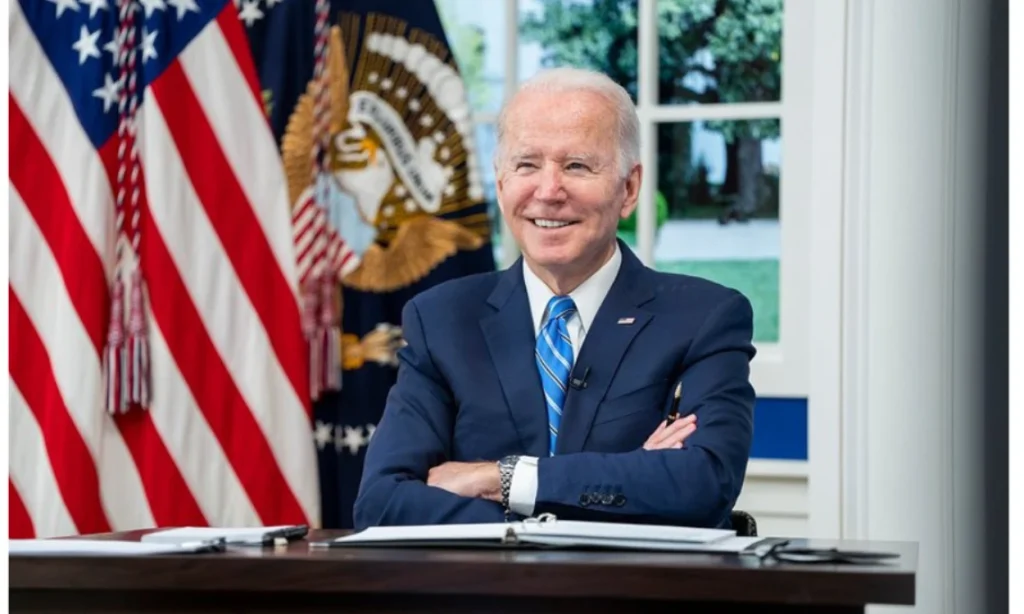
In his 2020 presidential campaign, Joe Biden pledged to facilitate the reintegration of those who have served time in prison. Since then, he has started several projects to advance that work. The Second Chance Act, which President George W. Bush signed into law in 2008, is a major primary reentry project. The law facilitates return through mentorship programs, education and job aid, housing support, drug treatment, and mental health services. A budget established before to Biden’s election provided $100 million for Second Chance Act projects in fiscal year 2021. In fiscal year 2022, the first budget under Biden’s administration, that amount increased to $115 million. In fiscal years 2023 and 2024, funding increased once more to $125 million each, for a three-year cumulative increase of $65 million above the baseline for fiscal year 2021. For fiscal year 2025, Biden suggested financing of $125 million; Congress has not yet authorized this amount.
Expected impact on communities and recidivism rates:
In addition to increasing money under the Second Chance Act, the Biden administration unveiled a strategic plan in 2023 to facilitate successful reintegration and encourage rehabilitation while incarcerated. Allowing states to use Medicaid monies to provide health care services, including treatment for drug use disorders, to individuals in custody is one of the plan’s components. Additionally, the Biden administration is allowing states to pay for inmate addiction treatment using state opioid response funding. A performance management framework was also given to prison staff by the government to oversee convicts’ drug treatment for opioid use disorder. A proposal to remove the federal restriction on convicts with drug-related convictions getting Supplemental Nutrition Assistance Program benefits (often known as food stamps) is one of the strategic plan’s ongoing but unfinished aspects. The 2024 Farm Bill, which is expected to be signed into law by the end of the year, now includes the clause.
Reactions from advocacy groups and experts
In the meanwhile, a draft regulation by the Department of Housing and Urban Development was released in April to stop “unnecessary” housing aid denials to those with criminal histories. Before denying or terminating services, housing authorities and property owners would have to take into account many factors, including the timing and significance of any criminal behavior. Biden has increased financing for the Second Chance Act to the point that he can fulfill his promise to extend assistance for individuals both during and after incarceration, even without accounting for ongoing programs. We give it a Promise Kept rating.
Funding sources and budget allocation details
Joe Biden pledged to increase assistance for Americans who were jailed or recently released during the 2020 presidential campaign. His proposed budget moves in that way. Biden’s commitment centered on removing obstacles that prevent formerly jailed individuals from obtaining public assistance and increasing access to job training, education, and treatment for mental health and drug abuse. In a separate action, Biden fulfilled his pledge to provide public aid to those who had served time in prison. It was a part of his April proposal for the American Families Plan. The government said that it would permit recipients of food stamps, or the Supplemental Nutrition Assistance Program to obtain funding if they were found guilty of a drug-related crime.
| Fact | Detail |
| An Overview of the Project | The goal of the strategy plan is to give them the tools and assistance they need to properly reintegrate into society. |
| Important Elements in the Strategic Plan | A substantial amount of funding will go into mental health care, job training, and community-based initiatives. |
| Objectives of the Initiative | Reducing recidivism rates by giving those who have served time in prison the resources and assistance they need to successfully reintegrate into society is one of the main objectives. |
| Anticipated Effect | Through employment placement and skill development, the approach is anticipated to boost regional economies. |
| Sources of Funding and Budgetary Distribution | The additional spending is a component of the larger government budget that is intended to support social services and criminal justice reform. |
Key components of the strategic reentry plan
Increased financing for facilitating post-prison reintegration was part of Biden’s budget plan for the Justice Department for fiscal year 2022, which was made public in May. It would mainly do this by providing more funds for initiatives under the Second Chance Act, which was approved by both parties in 2008 and signed by President George W. Bush. President Donald Trump reauthorized it in 2018 with the First Step Act. The Second Chance Act programs, which address reintegration through housing, education, job help, mentorship, drug use treatment, and mental health care, would receive a $25 million boost under Biden’s proposed budget. The request is meant to aid the department in awarding grants, conducting training, and offering technical support to state, local, and tribal governments on reentry-related matters. It would increase the program’s budget from $100 million to $125 million.